

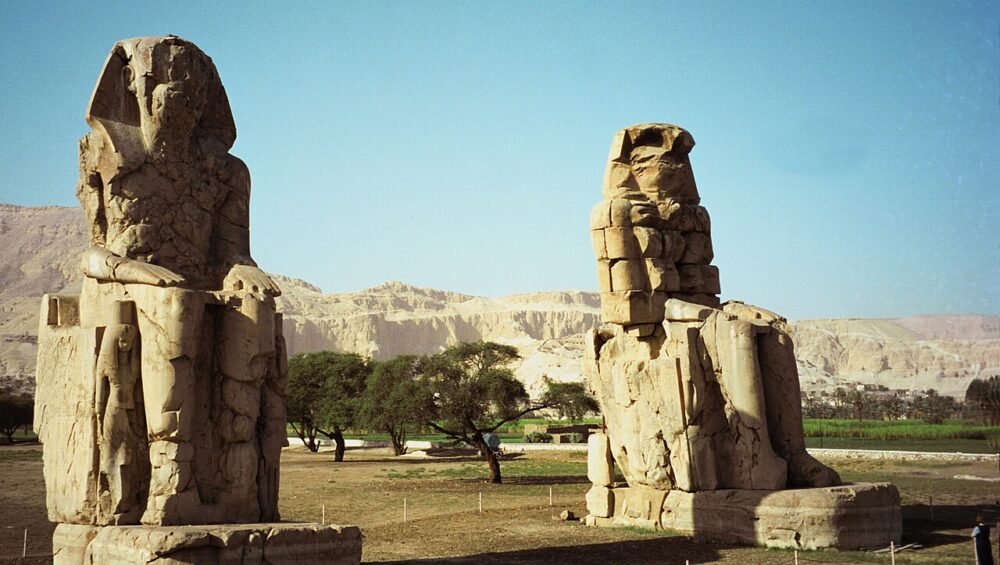
The Colossi of Memnon are worth including in a Luxor excursion from Hurghada when you want to understand the landscape of ancient Thebes, enjoy a memorable outdoor photo stop and see a different side of royal architecture. They work best as one part of a day that also visits Karnak, the Valley of the Kings and Hatshepsut Temple. Choose your excursion for the whole experience: the transport, group size, guide, included tickets and time available matter more than a long list of monument names.
This guide helps you decide before booking. You will find the story behind the statues, details to look for, a comparison of our Luxor options and practical questions that make the day easier to plan. You do not need to be an Egyptology enthusiast to enjoy the stop. A little context changes two enormous weathered figures into the entrance to a much larger story.
Compare the actual programmes: Luxor by bus · Luxor by minibus · Two-day Luxor
Compare Luxor options for your group on WhatsApp
Programmes and published prices checked on 1 November 2026. Photographs are documentary views from different dates. Confirm availability, transfer supplements and the exact programme for your party.
1. Are the Colossi of Memnon worth visiting?
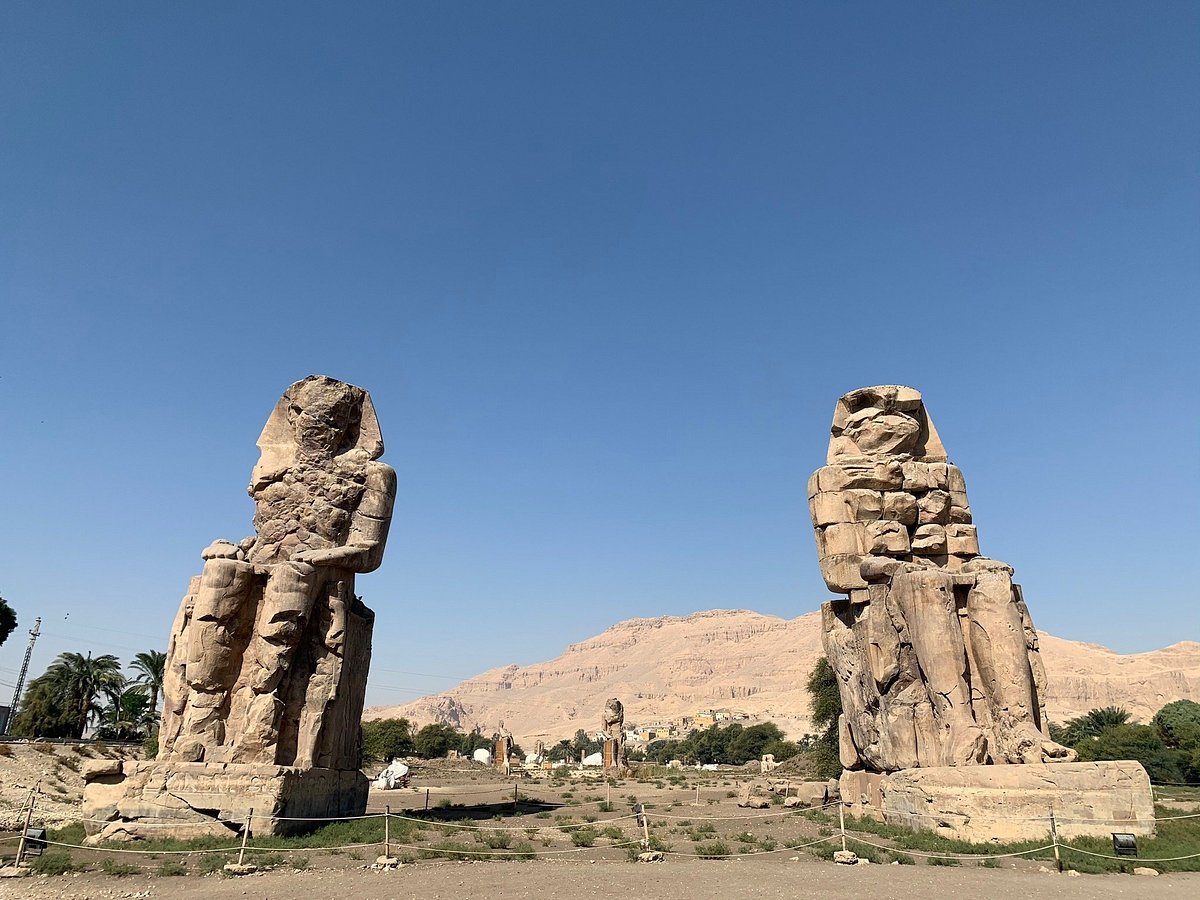
Yes, particularly on your first visit to Luxor. Their appeal is immediate: two seated royal figures stand outdoors, with the West Bank landscape around them. You can appreciate their scale before you know a single ancient name. Then the guide can explain what stood behind them and why the surviving statues are more significant than an isolated roadside attraction.
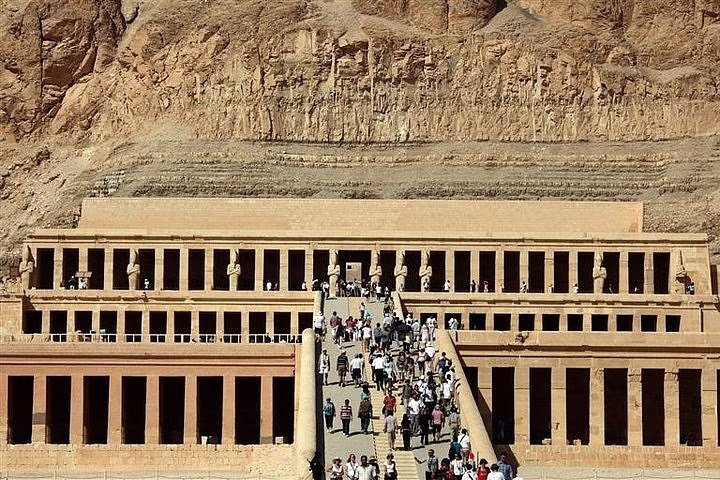
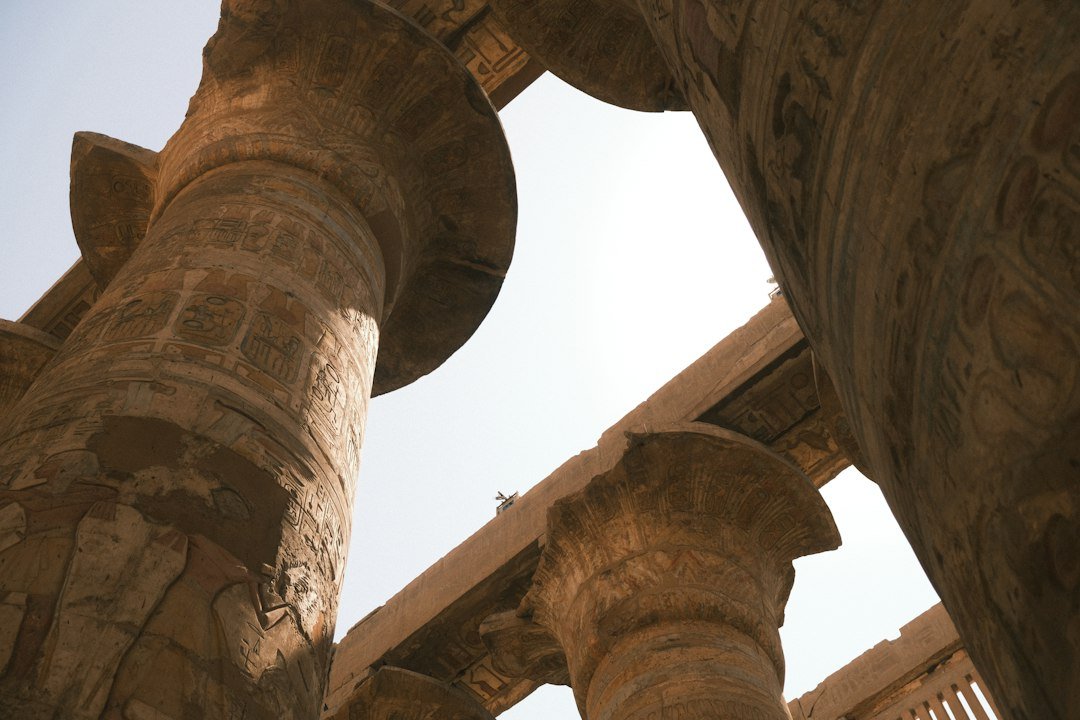
The strongest reason to include them is variety. At Karnak you move among columns and courtyards. In a royal tomb you look closely at painted walls. At Hatshepsut Temple you see terraces set against cliffs. Here you step back and consider the relationship between sculpture, a temple entrance and its setting. Each stop adds something different to the day.
Our recommendation is to treat the statues as a meaningful part of the West Bank route. Travelling all the way from Hurghada solely for this stop would usually offer less variety than the complete Luxor programme. If your main interest is a detailed archaeological study of Amenhotep III’s temple, explain that before booking: a normal sightseeing stop does not promise research access or an extended exploration of the temple remains.
For a first-time visitor, the useful question is: “Does the excursion give me enough explanation to understand what I am seeing?” A small amount of good interpretation can add more to this stop than rushing through extra photographs.
2. Who do the Colossi of Memnon represent?
Both statues represent Amenhotep III, an Eighteenth Dynasty pharaoh. They stood before his memorial temple at Kom el-Hettan on Luxor’s West Bank. The name Memnon belongs to the later history of the site, so the two names do not describe two different Egyptian kings.
The National Museum of Egyptian Civilization’s introduction to Amenhotep III provides useful background on the ruler. For your visit, remember three things: the figures show the same king, they belonged to a larger temple, and they are not the entrance to his tomb.
That last distinction helps when comparing excursion descriptions. A memorial temple and a royal burial place have different roles. Seeing these statues does not mean you have entered a burial chamber, and visiting the Valley of the Kings does not turn every royal monument elsewhere in Luxor into a tomb. Ask your guide to explain those different purposes as the day unfolds.
Try looking at the figures as a deliberate pair. Their seated posture, hands and thrones communicate permanence and royal presence. Rather than trying to memorise a dynasty chart, choose one visual detail you can recognise and connect it to the explanation. That makes the stop more rewarding for children and adults alike.

3. Why are they called Memnon, and what is the singing story?
Greek and Roman visitors connected one statue with Memnon, a hero associated with the dawn. Ancient accounts described a sound coming from the damaged northern statue around sunrise. Later repairs are associated with the end of that reported phenomenon.
This is a story about the site’s ancient reception, not a sound show you can book today. Do not choose a sunrise departure expecting the statues to sing. The interesting part is how different generations understood the same monument: an Egyptian royal image acquired another identity in the imagination of later visitors.
You can use that story as a simple conversation starter with your guide. Ask which statue is the northern one and how the visible repairs differ from the other figure. The answer brings the legend back to the stone in front of you without needing a long lecture or a promise of something supernatural.
The name also explains why travel searches can feel confusing. “Amenhotep III statues,” “Colossi of Memnon” and “Kom el-Hettan” may appear in discussions of the same broader site. However, there are other statues within the temple complex. A photograph of a newly restored pair elsewhere in the complex should not automatically be presented as the two familiar roadside colossi.

4. What should you look for at the Colossi of Memnon?
Start with the whole pair, then move your attention to individual features. Notice the outlines of the seated bodies, the surviving hands and knees, the throne sides and the contrast between larger original masses and repaired areas. Details will be clearer from some permitted viewpoints than others; use your camera’s zoom rather than approaching a barrier.
Smaller figures are another reason to slow down. The contrast in scale helps you recognise that the monument has several levels of detail, even when the faces have weathered. Ask the guide to identify what is actually visible from your position instead of assuming every feature in a guidebook will be easy to see.
Then look beyond the statues. The surrounding archaeological area belongs to the story of the former temple. The German Archaeological Institute’s conservation project explains ongoing study and conservation of the remains. Ordinary visitors must follow the areas opened for their visit; conservation activity does not imply public entry to every part of the site.
A useful sequence is one wide view, one closer look at a statue and one moment without the camera. You can cover those three things comfortably without turning a short stop into a race. If detailed sculpture is your main interest, tell the guide early so your questions can be answered within the available programme.

5. How do the Colossi of Memnon fit into a Luxor day?
The Colossi of Memnon are on the West Bank of the Nile. Our shared Luxor day programmes list Karnak, the Valley of the Kings, Hatshepsut Temple and this stop. Together they offer a varied introduction to the city’s monumental landscape.
Think of the journey as a complete hotel-to-hotel day. There is a road transfer from Hurghada, movement between sites, lunch, time with the guide and the return drive. A short stop at the statues does not make the overall excursion short. Our bus and minibus pages each list approximately fifteen hours overall, with actual timing affected by operations and traffic.
Ask for the confirmed pickup time for your hotel and keep the return evening flexible. The order of visits can depend on the day’s arrangements. A route shown in an article helps you understand the geography; it is not a guarantee that you will stand at a particular monument at a precise minute.
For a fuller view of the other stops, read our Karnak Temple guide, Valley of the Kings guide and Hatshepsut Temple guide. Decide which experiences matter most to you before comparing the transport options below.
6. Bus or minibus: which option fits your group?
The bus is our lower-priced shared Luxor day option. The minibus is also shared, with a smaller maximum group. Both published programmes include the Colossi of Memnon among the listed highlights. Paying for a minibus does not automatically create a private itinerary or allow unlimited time at one stop.
| Programme | Adult | Child | Infant / minimum age | Group and duration |
|---|---|---|---|---|
| Shared bus to Luxor | 10+: €65 | 4–9: €35 | 0–3: €20 | Up to 30; approximately 15 hours |
| Small-group Luxor minibus | 10+: €80 | 4–9: €40 | 0–3: €35 | Up to 8; approximately 15 hours |
| Two-day Luxor with hotel and balloon | 11+: from €160 | 6–10: €125 | Minimum age 6; no infants | Up to 30; two days |
A couple comparing the day trips pays €130 for two adults by bus or €160 by minibus, before any applicable hotel supplement or optional extras. The €30 difference buys the smaller group format in the published programmes. It does not buy extra monument admissions that are not listed.
Choose the bus if the overall price is your priority and you are comfortable travelling with a larger shared group. Consider the minibus if a more compact group matters enough to justify the difference. If you need a particular vehicle feature, assistance with boarding or a specific guiding language, have that confirmed before choosing.
One practical question is more useful than simply asking which option is “better”: “For our hotel, ages and interests, what changes between these two bookings?” The answer should cover the complete total and the actual programme, not just the vehicle’s name.
7. When is the two-day Luxor option worth considering?
The overnight programme can suit travellers who want Luxor to occupy a larger part of their holiday. It includes the listed temples, royal tombs and Colossi of Memnon, an overnight hotel stay and a hot-air-balloon experience the following morning, subject to operating conditions.
Its main advantage is the different shape of the trip: you stay in Luxor after the first sightseeing day rather than returning to Hurghada that evening. Do not assume this means every monument receives twice as much visiting time. The published programme still has its own sequence, group arrangements and meeting times.
Before booking, confirm the hotel arrangements, the language of the guide, meals, transfer supplements and balloon participation requirements. The current programme starts from €160 for an adult and lists €125 for children aged six to ten. Children under six are not accepted on this balloon package. Tell the team everyone’s age instead of applying the day-trip age bands to the overnight option.
If your main wish is to see the statues and the major temples in one excursion, either day programme may be sufficient. If the overnight stay and balloon are important experiences in their own right, read our two-day Luxor planning guide. A balloon flight is not a guaranteed close view of any particular monument.

8. What should the total price include?
For the two shared day programmes, compare standard admissions, guide, lunch, drinks and Hurghada hotel transfers. The published itineraries include three standard Valley of the Kings tombs. Special tombs such as Tutankhamun’s are separate extras when available, and an optional Nile boat outing is not included in the standard day-trip price.
The Colossi of Memnon stop is listed in these programmes. You do not need to invent an additional “Memnon excursion” to include it. For an independent visit or a different operator’s programme, ask about the current access arrangements directly; a site’s usual viewing practice is not a promise about every possible service or future admission policy.
Here is a useful family comparison. Two adults and a child aged eight total €165 by bus or €200 by minibus, before any outside-Hurghada supplement and chosen extras. A ten-year-old pays the adult fare on these particular day trips. Infants have a separate fare, so they should be included when you ask for a quote.
Keep four amounts separate: your excursion fare, any hotel transfer supplement, optional entries or activities, and personal spending. Ask the team for one written total with the included services. This is clearer than comparing a low headline price with another offer that already includes more of the day.
9. How much time, walking and flexibility should you allow?
Plan the Colossi of Memnon as a stop within the confirmed route rather than a separate timed appointment. The published programme does not guarantee a fixed number of minutes at the statues. If a particular photograph or a detailed explanation is important, mention it when booking and ask what is realistic.
The statues are outdoors. Your comfort depends on the conditions on the day, the place where the vehicle stops and the permitted approach. A short monument visit can still be uncomfortable for someone who finds heat or standing difficult. Describe the actual assistance you need so the team can check it, rather than relying on the word “easy” in a general description.
The rest of the Luxor day deserves equal attention. Tomb passages, temple approaches, steps and repeated boarding can matter more than the stop itself. If one traveller wants to take part only in selected sections, confirm the supervision and meeting arrangements in advance. Do not assume they can always remain in the vehicle.
For your schedule, leave space after the expected hotel return. Road traffic and site operations can change a long day. A rigid dinner reservation or another excursion immediately afterwards can turn an enjoyable visit into unnecessary clock-watching. Send the exact hotel name when requesting timings, especially if you are staying outside Hurghada.
10. How can you plan better photographs?
For the Colossi of Memnon, variety matters more than taking many identical frames. Plan a photograph of both figures, a portrait-oriented view of one statue and a wider frame showing their landscape. Those three views explain the site more clearly than a series of tightly cropped heads.
Use the permitted visitor areas and wait for a clear moment rather than stepping onto archaeological ground. If another visitor appears in your photograph, be considerate; ask permission before making an identifiable stranger the subject. A person already within an allowed viewing area can help communicate scale, but nobody needs to climb or touch the monument for the photograph to work.
Keep your phone ready before leaving the vehicle and bring a charged battery or power bank. Dust, strong light and a full day’s use can make a simple setup more practical than constantly changing equipment. Specialist equipment, organised photo sessions or restricted activities need separate confirmation; a normal tour booking does not authorise them.
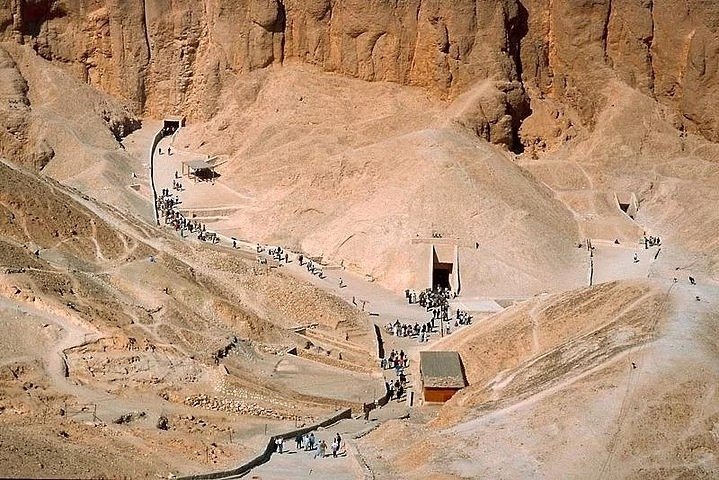
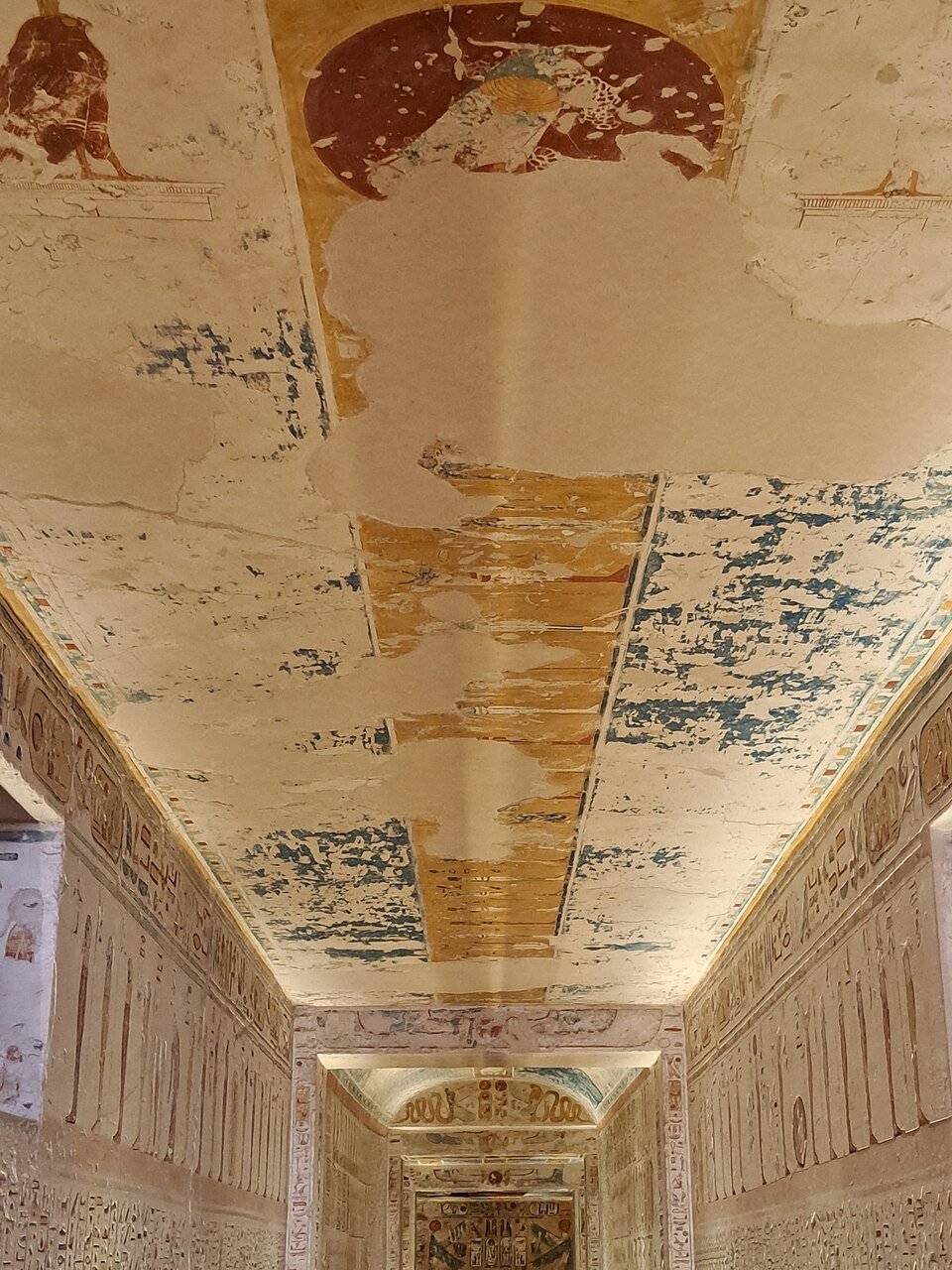
The images in this guide include documentary views taken at different times. They show the monuments and nearby Luxor experiences, not guaranteed current barriers, crowd levels or camera positions. Photographs of Karnak, Hatshepsut Temple, tomb interiors and balloons are labelled as separate parts of the wider Luxor experience.

11. What should families and first-time visitors prepare?
For children, a small observation game can make the Colossi of Memnon memorable: find the seated posture, compare the two figures and look for smaller sculpted details. Let the guide answer one or two questions rather than expecting a child to follow every historical explanation throughout a long day.
Before booking, think about your family’s tolerance for the road journey, an early start and several visits in succession. The price category is not a comfort assessment. A child who enjoys ancient Egypt may still need breaks, food arrangements and a quieter evening afterwards.
Bring comfortable footwear, sun protection, water, the identification requested by the team and a way to contact your representative. Keep your day bag manageable because you will move between the vehicle and sites. Ask your hotel about breakfast arrangements if the confirmed collection time is before its normal service.
Share dietary needs, mobility requirements and language preferences before payment. The team can then confirm what is available for your date. A useful booking message contains your hotel, date, traveller numbers, each child’s age and your preferred bus, minibus or overnight format.
If you are comparing historic experiences more broadly, our Valley of the Kings and Valley of the Queens comparison helps explain why similarly named stops offer different visits. Match the confirmed programme to your interests rather than assuming all Luxor itineraries are interchangeable.

12. Questions to settle before booking
Are the Colossi of Memnon included in your Luxor excursions?
They are listed in our shared bus, shared minibus and two-day Luxor programmes. Check the exact programme selected for your date and have any special requests confirmed before booking.
Which is your cheapest shared Luxor option?
The published bus programme is €65 per adult aged ten or older, compared with €80 for the shared minibus. This comparison concerns Hurghada Travels’ listed options, not a claim about every operator in Hurghada.
Does the minibus mean a private tour?
No. The minibus programme is shared with a maximum of eight guests. If you need an itinerary reserved for your own party, ask for a separate confirmed arrangement rather than treating a small-group ticket as private hire.
Can I go inside the statues?
The visit is an outdoor viewing stop. It is not a visit inside a statue or an underground chamber. Stay within the visitor areas and follow the guide’s instructions.
Will the statues sing at sunrise?
No singing experience is offered. The famous story concerns reports from antiquity associated with the damaged northern statue. It should not be used as a promise about what you will hear during a modern visit.
Are these the same as statues at Luxor Temple?
No. These statues belong to Amenhotep III’s memorial temple site on the West Bank. Luxor Temple is a separate place. A photograph of a seated pharaoh alone is not enough to identify the location.
Is Tutankhamun’s tomb included with the day trip?
No. The day programmes include three standard tombs in the Valley of the Kings. Special tomb admissions such as Tutankhamun’s are separate when available. Ask about the time and cost before adding one.
Can I pay with Visa or Mastercard?
The booking pages offer online Visa and Mastercard payment, or the stated cash option. Card payments are processed in Egyptian pounds. Review the final amount and any displayed fee before confirming, and request a payment link if you book through WhatsApp.
Do I have to pay a deposit for a cash booking?
The current day-trip pages state that cash bookings do not require an advance deposit, with payment in euros to the representative at pickup before departure. Confirm the conditions for your exact booking, especially if you request a customised arrangement.
Is pickup included from every Red Sea hotel?
Hurghada pickup is included in the published day-trip fare. Give the full hotel name for an outside-Hurghada quote and the collection time. Do not assume another resort has the same transfer conditions.
What is the difference between Memnon and the Valley of the Kings?
Memnon is an outdoor monumental-statue stop; the Valley of the Kings involves visiting royal tombs. The two complement each other in the itinerary and require different expectations for viewing, walking and photography.
What should I send to receive an accurate quote?
Send your preferred date, full hotel name, number of adults, every child’s age, preferred language and transport choice. Mention any assistance needs and optional visits you are considering. Ask for the full total and confirmed inclusions together.
