


Planning Speedboat Photography in Hurghada starts before you step aboard. Think about the pictures you actually want: a family portrait with the sea behind you, the shape of the small boat, a short clip of its wake, or a few memories of a swimming stop. Those choices help you decide whether the private programme suits your group and what to ask when booking.
You do not need to turn your holiday into a professional shoot. A familiar phone, a short list of priorities and time to enjoy the outing are a useful starting point. This guide offers twelve practical planning ideas, an illustrated boat album and thirty answers about taking your own photographs. The examples come from the site’s media collection; their camera models and shooting settings are not verified, so they are not presented as proof of what a particular phone will produce.
The current private trip is approximately four hours for one to six guests, including children and infants, at €150 for the whole boat. Your booking reserves the boat programme. A dedicated photographer, special camera equipment and particular photographs require separate confirmation.
Programme checked on 3 November 2026. Album images illustrate different outings; camera models and settings are not verified.
1. Give your Speedboat Photography a simple purpose
Choose three pictures that would make you happy even if nothing unexpected happens: your group together, one wide boat-and-sea view and a relaxed portrait. Put those ahead of a long collection of poses copied from social media. This gives the day a manageable shape and lets everyone understand what matters before the first stop.
Separate what you can plan from what you can only hope for. You can bring a charged phone, agree who takes a group photograph and ask about the proposed boat. You cannot reserve turquoise water of an exact colour, a completely empty reef or a dolphin beside the lens. A useful photo plan remains worthwhile without those events.
For a couple, a few portraits might be enough. A family may prefer a group picture and individual memories for the children. Friends may want several short clips to combine later. Discuss those preferences before choosing the excursion, particularly if one person wants to photograph everything while another mainly wants to swim.
Our illustrated speedboat experience guide helps you picture the overall outing. Use this article to prepare your own images within it. The two purposes fit together without making the whole trip depend on getting one perfect frame.
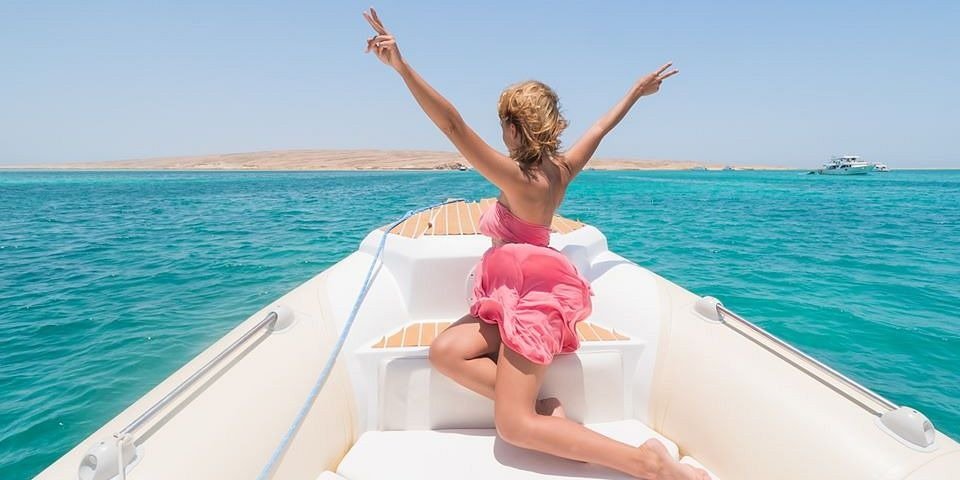
2. Choose the boat programme around your group
Private use can make it easier to organise photographs with the people you came with. The published boat accommodates up to six guests, with children and infants included in that number. Having your own party aboard does not create unlimited space, remove the crew’s working area or make every seat suitable for every proposed pose.
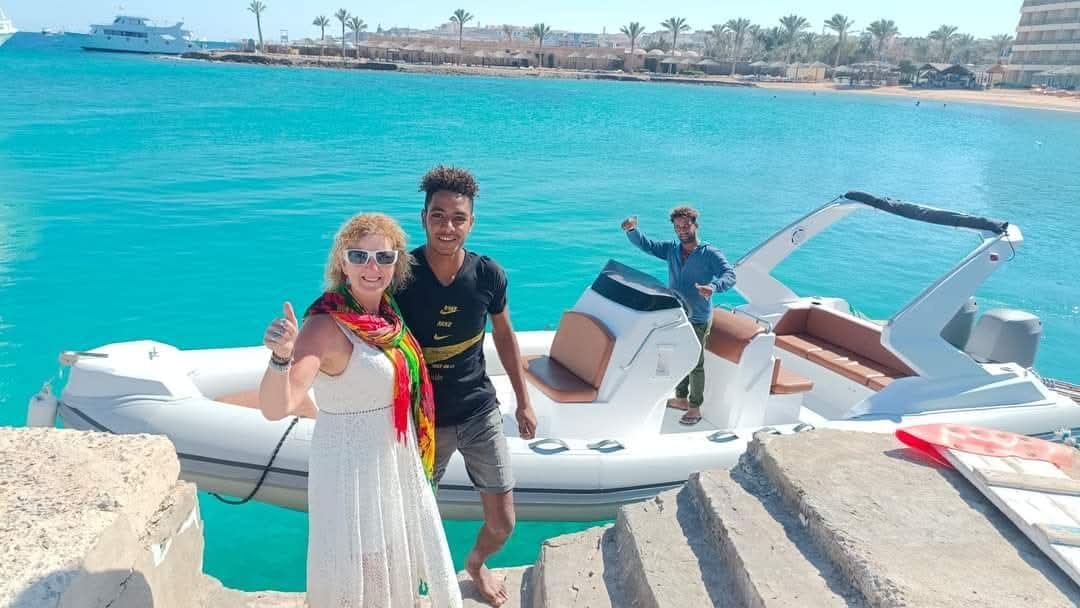
Ask for a current picture of the vessel planned for your date if the interior is important. Look at the seating, canopy, walkways and boarding arrangement. A photograph taken from another boat may show an angle that you cannot reproduce from your own seat. An overhead view in an album does not mean aerial photography is included.
Choose between time aboard and an optional island visit according to your priorities. A boat portrait and an island portrait require different settings and time. Adding another location should fit the confirmed programme rather than becoming a request to squeeze every attractive photograph into four hours.
For Speedboat Photography, a clear booking question is more useful than “Is it good for pictures?” Try: “We would like a brief family portrait at a suitable stop and some time enjoying the boat. Can that fit the planned outing?” For the wider decision, read the private boat planning guide.

3. Match light and departure time for Speedboat Photography
Morning and afternoon light can create different-looking pictures, but neither is a universal promise of better photographs. The season, cloud, direction of the boat and position of the sun all matter. Describe the kind of image you want and check which departures are available before planning the rest of your holiday around one time.
For portraits, look for light that lets people keep their eyes comfortable. During a suitable stop, a small change of seated angle can be more useful than insisting that everyone faces the brightest part of the sky. A canopy may create shade, but its position and the sun can also leave a face partly shaded.
Do not choose a departure only because you hope for a sunset photograph. The standard programme is not automatically a sunset cruise, and the return arrangements need to be confirmed. Equally, an early departure does not guarantee calm water, an empty location or wildlife encounters. Those are different questions from the direction of the light.
Check the morning or afternoon comparison for scheduling and comfort. If children are joining, a time when they are rested and happy may produce a more enjoyable album than a theoretically attractive light window that leaves everyone tired.

4. Prepare your phone for Speedboat Photography
Use the camera application you already understand. Before pickup, check battery charge, available storage and whether you can switch between photo and video without searching through menus. Take a short test clip, play it back and make sure the orientation is the one you intended. Learning a new application on a moving boat is an unnecessary distraction.
Make a small album or note containing your three preferred shots. Save it locally so you can see it without depending on reception at sea. If several people will take pictures, agree who is keeping the main group photographs. That avoids everyone producing nearly identical images while nobody appears in the family picture.
Check the lens before use and follow your manufacturer’s cleaning instructions. Fingerprints, sunscreen and spray can affect the view. Keep a suitable clean cloth accessible inside your protected bag, and deal with the phone while your hands and surroundings are dry. Do not open a bag full of equipment during boarding simply to find a cloth.
Simple preparation makes Speedboat Photography more relaxed. You can leave a charger or power bank safely packed for later use; charging arrangements aboard are not an advertised inclusion. If the phone has become wet, follow its manufacturer’s instructions before connecting any cable. The boat trip is a good place for a modest equipment list.

5. Plan protection before Speedboat Photography near water
Think about three separate situations: travelling with the phone packed away, taking pictures from an approved position aboard, and entering the water. A case that helps with everyday splashes does not automatically make the device appropriate for snorkeling. Check the exact phone and accessory instructions, including how the closure works and where the accessory may be used.
Apple’s water-resistance guidance explains that resistance can diminish with wear and advises against swimming with or deliberately submerging the phone. Owners of other devices should consult the equivalent guidance for their model. A general “water resistant” label is not a promise of protection in every sea activity. Samsung also advises avoiding salt water in its Galaxy water-resistance guidance. Check the instructions for your exact model.
If you choose a protective pouch, practise opening, closing and using it at the hotel according to its instructions. Check whether you can operate the camera comfortably through it. Keep storage organised so the phone can be put away quickly when the crew needs your attention. Any strap or attachment must be suitable for the activity and acceptable to the crew.
For an ordinary boat album, the simplest plan may be to keep the phone aboard during swimming. You can ask a willing companion to take a picture from an appropriate place, without assuming that someone is assigned to watch your belongings. Decide that arrangement together before you arrive at the water.

6. Frame the boat and sea from a comfortable position
Start with a wide view that shows where you are. Include part of the boat, some water and enough background to give the image context. Then take a closer portrait or detail from the same permitted position. This creates variety without making the photographer walk repeatedly around a small vessel.
A simple way to judge composition is to look at the edges of the screen. Is a person’s head almost touching the top? Has a bag taken over the foreground? Is the horizon cutting awkwardly through a face? Adjust the phone angle within your comfortable reach rather than stepping backward or leaning over the side.
On iPhone, Apple’s camera-tools guide describes the grid and level, selecting a focus area and adjusting exposure. Familiarise yourself with the equivalent controls on your device before departure. Try a small adjustment, review one frame and stop when the picture suits you.
Your Speedboat Photography does not need the same viewpoint as the sample album. An exterior image taken from elsewhere can help you understand the boat’s shape, but it is not an instruction to arrange a second vessel or copy an elevated camera position. Choose the composition available to you and keep the outing enjoyable.

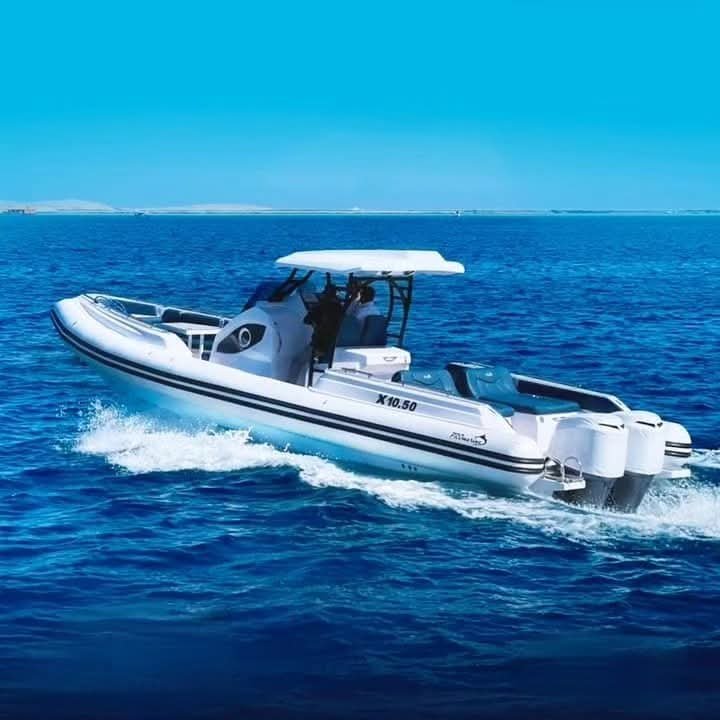
7. Plan Speedboat Photography portraits everyone can enjoy
Agree on a brief portrait moment during a suitable stop. Tell your companions before raising the phone, ask who wants to be included and start with the group picture. Once that is done, anyone who wants an individual portrait can have a turn. People who prefer to stay out of photographs should be able to do so comfortably.
Keep positions simple and follow the crew’s directions about seating and movement. A natural seated conversation or a smile toward the camera can tell the story of your day. Do not recreate a pose just because someone appears to be doing it in an older picture; that image does not establish the circumstances or permissions on your departure.
For children, a short session may work better than repeated requests to pose. Let the accompanying adult concentrate on the child whenever attention is needed. Share photography duties between willing adults rather than expecting the person supervising a child to arrange the whole group and operate the phone simultaneously.
The speedboat with children guide covers the family booking questions. If friends want separate pictures, agree a fair, short turn for each person. A useful album should remind everyone of a good outing, including the person who usually stays behind the camera.


8. Give Speedboat Photography videos one clear subject
Before pressing record, decide what the clip is about: the sea passing beside you, a quiet moment with the group or the pattern of the wake from a crew-approved position. A short clip with one subject is easier to use later than a long recording that swings between several unrelated views.
Choose the orientation before recording. Vertical may suit the format you intend to share; horizontal may suit a wider holiday film. You can take separate short clips when the conditions allow, rather than rotating the phone halfway through one recording. Leave a little space around the subject so you have options when making a later crop.
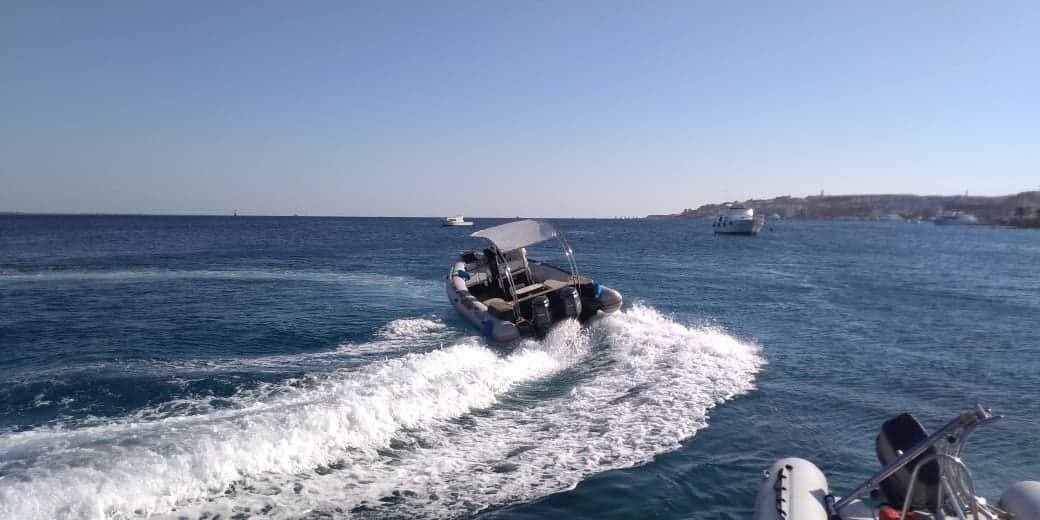
Keep the phone close and remain in the position permitted by the crew. If the movement makes filming uncomfortable, put it away and wait for a suitable stop. Never ask the captain to make a sharper turn or change speed for a dramatic clip. The wake photographs in this article show a visual subject, not a manoeuvre to request.
Expect the sound to reflect the environment, including wind, water and the engine. If you want to explain the day, you can record a short spoken introduction at a quieter, appropriate moment. Preview one clip when convenient; there is no need to keep checking every second of footage while missing the view itself.

9. Decide separately about pictures in the water
Photographing from a boat and photographing while swimming are different activities. Tell the team about your swimming experience and ask how the water stop operates. Your ability to use a camera does not establish that entering the sea is appropriate, and holding equipment can change how easy it feels to manage the activity.
If you are concentrating on learning to use a mask and fins, leave the camera for another moment. Ask about supervision, entry and returning aboard before choosing an underwater plan. Bringing a device does not provide individual photography tuition or an extra guide to look after it. The ordinary snorkeling equipment does not include a waterproof phone housing.
For a mixed group, discuss whether a willing person will stay aboard and take a few photographs from an approved place. Confirm any arrangements for remaining on the boat rather than assuming they suit every passenger. Nobody needs to enter the water just because the rest of the group wants a matching picture.
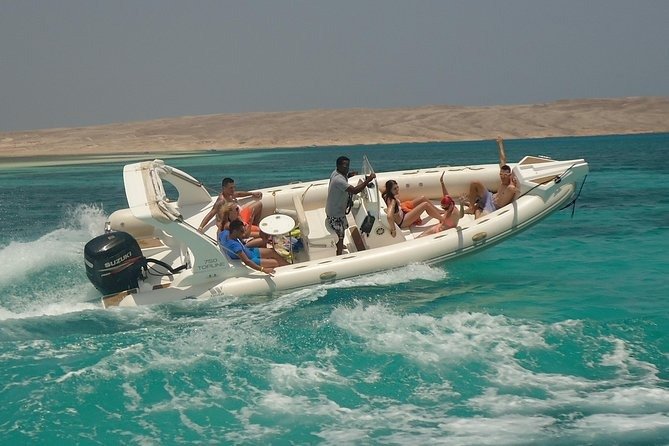
Your Speedboat Photography can be complete with portraits, scenery and boat details. The group-in-water image below is an illustration from the site’s collection, not evidence of water depth, conditions or access on your own outing. Choose participation first, then decide whether taking pictures fits comfortably within it.

10. Leave wildlife encounters outside the shot list
You can hope to photograph dolphins without making them the condition for a successful day. Wild animals may not appear, and a sighting may be brief or distant. A previous photograph cannot establish the timing, location or composition available to another group. The trip should appeal for its confirmed boat programme as well.
HEPCA’s dolphin code of conduct advises against chasing, encircling, touching or feeding dolphins. Make respectful observation part of your request to the crew. No close photograph is a reason to disturb the animals or ask for a different approach solely to improve the frame.
If an encounter occurs, follow the crew’s directions and accept the view available from your permitted position. You may decide to watch rather than record. A small animal in a wide sea picture can still be an honest memory of the moment; the outing does not require a close portrait to be worthwhile.
Avoid building a booking around “the same dolphin picture as the website.” Instead, ask about the planned route, the approach to wildlife and the other activities you will enjoy. The captain remains responsible for navigation. A photograph of a boat turning on the sea does not show how it should behave near animals.
11. Keep the Speedboat Photography budget clear
The listed €150 buys the private boat programme for one to six guests, not six separate tickets and not a photographic commission. It includes Hurghada transfers, snorkeling equipment, life jackets, fruit, water and soft drinks. A toilet and freshwater shower are listed; a full lunch is not. Transfers from outside Hurghada require a separate quote.
Orange Bay is an optional €10 per visiting guest, subject to confirmation. For example, four guests choosing that option make €190 before applicable transfer supplements or payment charges. Choose it because your group wants the island time, and confirm how it fits the programme. A photograph alone does not tell you how long you will spend there.
Taking your own phone does not mean a professional photographer, edited files or underwater coverage is included. If you want those services, request a separate confirmed offer. Our excursion photography guide explains the questions about photo packages; the Orange Bay option guide covers that addition.
Use the table to turn your preferred pictures into booking questions. It is a planning aid, not an extra package sold with the boat. Once the programme and costs are clear, you can decide whether your own phone is enough for the memories you want.
Match your picture idea to a booking question
On a narrow screen, scroll the table sideways. These are planning questions, not promised photo services.
| Your picture idea | Programme to consider | What to confirm |
|---|---|---|
| A short family portrait | Private speedboat | A suitable stop and the proposed seating layout |
| Boat details and sea views | Private boat programme | The vessel planned for your date and permitted positions |
| An island portrait | Private boat with Orange Bay | Island option, time available and total supplement |
| An underwater image | Confirmed snorkeling arrangements | Swimming participation, supervision and suitable personal equipment |
| A delivered photo collection | Separate photography enquiry | Availability, price, coverage and files; not a standard inclusion |
12. Turn Speedboat Photography plans into a booking request
Your booking message should contain the date, exact hotel, total guests and children’s ages. Add whether you want Orange Bay and describe two or three photography priorities. If a person needs a particular seat or help with boarding, mention that directly. A photo preference is useful context, but it is not a substitute for explaining a practical need.
For example: “We are four guests staying at [hotel] on [date]. We want the private boat and are considering Orange Bay. We would like to take our own family pictures at a suitable stop. Please confirm the full price, pickup, boat arrangement and whether our plan fits the programme.” Avoid sending a long list of poses before the basic outing is settled.
On the day, keep the phone away during the briefing, boarding and any moment when the crew needs your attention. Enjoy the sea between your planned pictures. Afterwards, choose a small selection and keep the original files when editing, so you can return to the original view if a crop or colour change does not work.
Before sharing group photographs, check the wishes of the people shown, especially parents or guardians for children. Speedboat Photography works best as a record of a day your group enjoyed. Clear expectations before booking leave more time for that experience once you are aboard.
Speedboat Photography: 30 questions before booking
Do I need a professional camera for Speedboat Photography?
No. A phone you know how to use can be enough for personal boat photographs. Decide which pictures matter, practise its basic controls beforehand and check how you will protect and store it during the outing.
Is a photographer included in the private boat price?
A dedicated photographer is not listed as part of the standard programme. Ask for separate confirmation of availability, coverage and cost if you want someone else to take and deliver photographs.
Are the example photographs verified phone pictures?
No. They come from the site’s media collection and illustrate boats, people and settings. Their camera models and settings have not been verified, so they do not guarantee results from a particular phone.
Can we choose the exact boat shown in a photograph?
Ask which vessel is proposed for your date and request a current picture if the layout matters. An illustration does not reserve that boat or confirm every feature visible in the album.
Is morning always better for photographs?
No. The light depends on the season, conditions, direction and desired picture. Choose from available departures after considering your group’s comfort and schedule as well as the photographs you hope to take.
Does an afternoon booking include sunset?
Not automatically. The standard trip is approximately four hours, and the timing and return arrangements need confirmation. Ask specifically if a sunset view is essential before choosing a departure.
Can the captain stop anywhere for a photograph?
No. Stops and navigation depend on the programme, conditions, access and the captain’s decisions. Explain your priorities before booking and accept that a particular backdrop may not be available.
Can I photograph while the boat is moving?
Follow the crew’s instructions and use only a permitted position. Put the phone away when movement, spray or another task makes handling it inappropriate. A suitable stop may offer a more comfortable opportunity.
Should I stand on the bow to copy a photo?
Do not copy a pose without the crew’s explicit direction for your circumstances. Existing photographs do not establish what was permitted then or what is suitable on your departure. Keep to the seating and movement instructions.
Can I bring a selfie stick or tripod?
Ask before bringing or using equipment that extends into walkways or outside your seating space. Do not assume mounts, clamps or a tripod can be fitted to the boat without permission from the responsible crew.
Does water resistance make my phone suitable for snorkeling?
Not by itself. Check the manufacturer’s instructions for the exact phone and any housing. A resistance rating is not a general guarantee for deliberate immersion, salt water or every water activity.
Is a waterproof phone pouch supplied?
A protective phone pouch or underwater housing is not listed among the standard inclusions. Arrange suitable protection yourself if needed, following its instructions, and confirm any equipment requirements before the trip.
Can I leave my phone aboard while swimming?
Discuss storage and the planned water stop with the crew. Do not assume an individual person is assigned to supervise belongings. Bring only what you need and agree arrangements before entering the water.
Will there be somewhere to charge my phone?
Charging facilities are not a confirmed inclusion. Arrive with enough charge for your needs and keep any backup power equipment safely packed. Follow the manufacturer’s instructions before charging a device exposed to moisture.
Do I need mobile internet for taking photographs?
Ordinary camera functions usually work without mobile data, but check your application before departure. Save your shot list locally and do not rely on reception at sea for uploads, downloads or accessing instructions.
Should I film vertically or horizontally?
Choose the orientation that suits your intended album or video before recording. If you want both, make separate short clips when appropriate instead of rotating the phone midway through a recording.
How do we include the usual photographer in a group picture?
Arrange a brief turn with a willing companion at a suitable stop. If you need help from the crew, ask when their duties allow; do not assume a crew member is your dedicated photographer.
Can children take their own photographs?
That depends on the child’s ability, the activity and the accompanying adult’s supervision. Keep photography secondary to the crew’s instructions and practical care. A short session at an appropriate stop may be easier to organise.
Do we have to swim to get a useful photo album?
No. Boat portraits, details and sea views can make a complete personal album. Confirm arrangements for anyone remaining aboard and choose the excursion because that person will enjoy the programme too.
Is underwater photography tuition included?
No dedicated photography tuition is listed. Discuss swimming ability and snorkeling arrangements first. A camera does not change participation requirements or provide an extra guide to manage equipment for you.
Can a dolphin photograph be guaranteed?
No. Dolphins are wild animals, and neither a sighting nor a particular photograph can be promised. Plan an album that works without wildlife and follow respectful observation guidance if an encounter happens.
Can we ask the boat to get closer to dolphins for a picture?
Do not request an approach that disturbs wildlife. Explain that respectful observation matters to you, follow the crew’s directions and accept the view available without chasing, encircling or attempting contact.
Can we add Orange Bay for island photographs?
Orange Bay is offered as an optional addition at €10 per visiting guest, subject to confirmation. Ask how the visit fits your departure and choose it for the island experience as well as possible photographs.
How much is the boat for four guests?
The published base total is €150 for up to six guests. Four guests all adding Orange Bay make €190, before applicable outside-Hurghada transfers, payment charges or separately agreed extras.
Do infants count within the six-guest limit?
Yes. Children and infants count within the maximum of six guests on the listed private boat. Tell the booking team every passenger’s age where relevant; do not plan for extra places based on age.
Are hotel transfers included?
Transfers from Hurghada hotels are included in the listed programme. Hotels outside Hurghada need a separate quote. Send the exact property name before assuming pickup location, price or journey time.
Can I pay by Visa or Mastercard?
Yes, the site offers online Visa and Mastercard payment in Egyptian pounds. The business applies a 3% card surcharge; confirm the final displayed amount and agreed extras before completing payment.
Can I pay cash on the day?
For the listed standard booking, cash in euros can be paid to the representative at pickup before departure, without an advance deposit. Keep the confirmed total, pickup details and selected options together.
What happens if the operator cancels for unsafe weather?
The published policy offers an available alternative date or a full refund when the operator cancels, including for unsafe weather. Ask about your confirmed booking and do not assume a preferred photo condition is guaranteed.
What should I send before booking?
Send your date, exact hotel, number of guests, children’s ages and Orange Bay preference. Add your main photo priorities and any access needs, then request confirmation of the full programme, price and pickup.