


Semi-submarine seats are worth checking before you book if window height, cabin access or sitting together matters to your group. There is no one row or side that guarantees more fish. The useful choice is a permitted seat with an unobstructed view, comfortable eye level and access that works for you.
This guide focuses on seating, photographs and movement around the viewing cabin. For the complete program, fares and inclusions, read our Semi Submarine Hurghada planning guide. The Panorama booking page is the reference for the service available on your date.
The current listing describes an approximate three-hour experience with underwater viewing, a diver show, one optional snorkeling stop, equipment, a drink and Hurghada hotel transfer. It does not promise a specific cabin seat or a private window. Program details were checked on 27 September 2026.
1. Understand the cabin before choosing semi-submarine seats
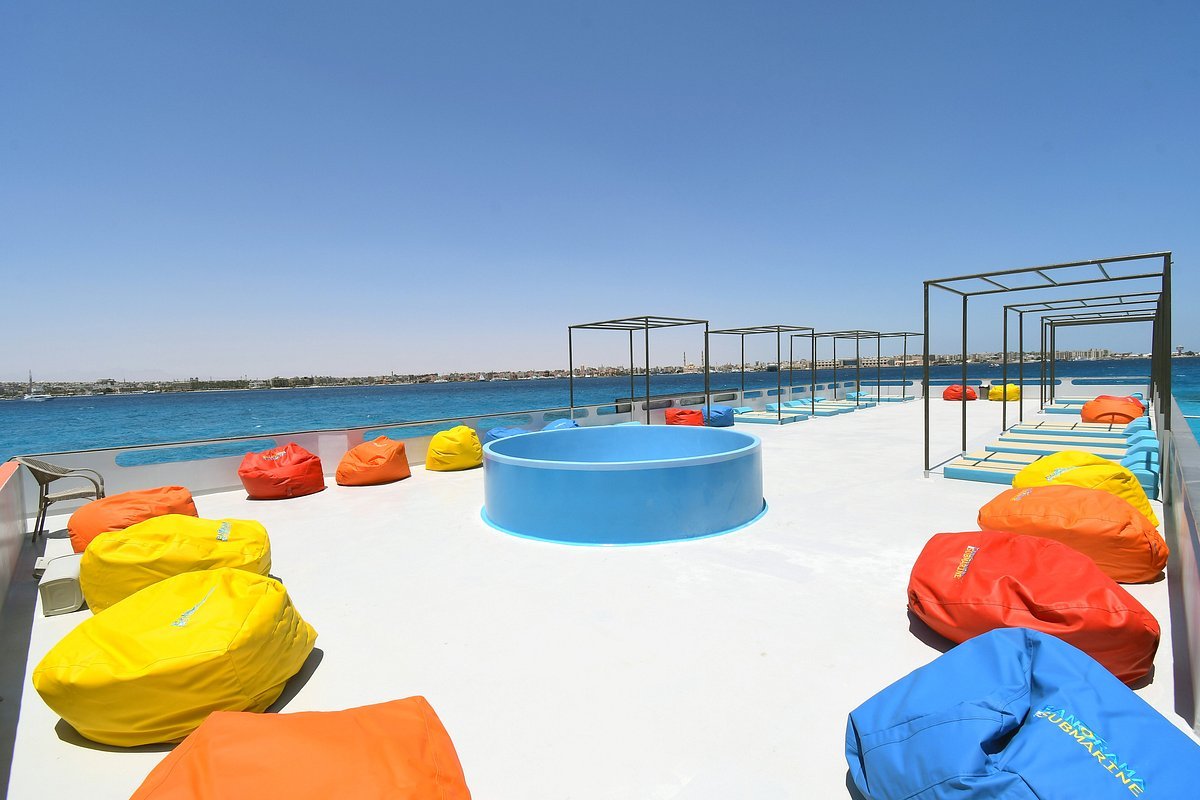
A semi-submarine remains at the surface while its viewing cabin sits below the waterline. You watch through underwater windows without using a mask or scuba equipment. It is not a fully submerged submarine, and the whole outing is not spent inside the lower cabin.
The photographs below show examples from the existing tour library. They illustrate side windows, seating and an aisle, but they are not a reserved-seat map for your departure. Ask which vessel will operate and whether its layout differs from the example you saw.
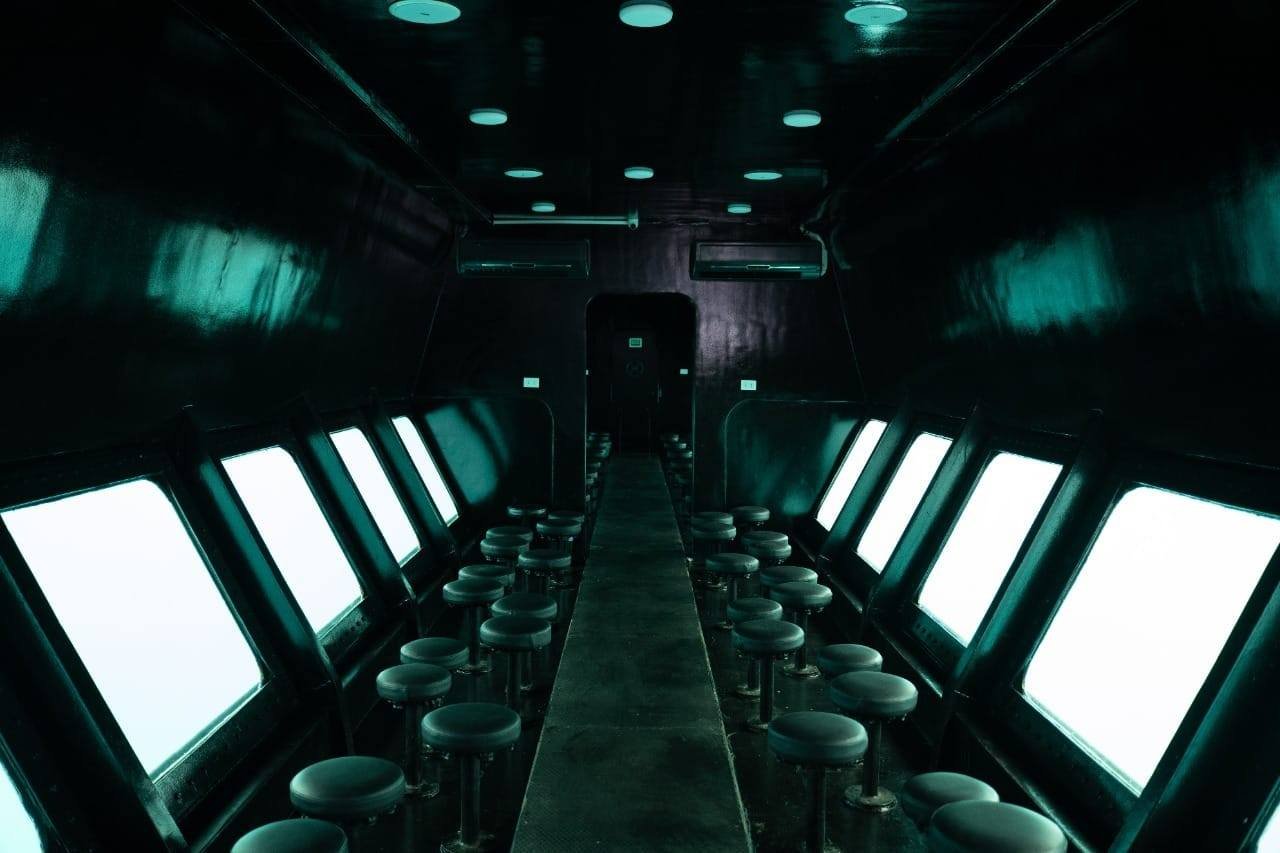
Start with the route from the boarding point to the cabin. A clear description should cover any steps, handrails, narrow passages and assistance available. Knowing that a boat has underwater windows does not establish that every guest can comfortably reach them.
If your party has a specific need, describe it directly. “We need help on stairs” gives the team something concrete to assess. “We want the best boat” does not explain the access problem. Do not assume a more expensive label solves a requirement that has never been discussed.
2. Compare semi-submarine seats at your eye level
When the crew directs you to the viewing area, check the window from the permitted seating position. Notice whether another fixture blocks the view and whether you can look out without stretching into the aisle. Ask about alternatives if the assigned arrangement does not meet a need already discussed.
Window clarity, the water outside and the boat’s position all affect what you see. A different seat might change an obstruction or reflection; it cannot make cloudy water clear or bring an animal into view. Keep this distinction in mind when comparing seat recommendations online.
Good semi-submarine seats are not simply the places closest to the stairs or nearest the front. Proximity to stairs can help some guests understand the route back, but it can also be a busy area. Follow the actual allocation and keep access routes open.
3. Left side, right side or front row?
There is no verified universal winner. The route, the vessel’s direction and the location of the reef change the scene at each window. The crew’s local instructions on the day are more useful than a rule that one side always has better wildlife.
Do not rush across the cabin when someone points out a fish. Ask before moving and give seated guests room to look. A viewing experience works better when people can use their windows without others crowding the aisle.
If you are allowed to choose, compare the immediate obstruction and reflections from your seat. Avoid treating a momentarily clear view as a promise for the rest of the trip. The boat and marine life keep moving.
4. Help children see while keeping access clear
Before reserving semi-submarine seats for a family, ask about the height of the windows and the permitted arrangement for younger children. Adults and children may have different eye levels, so a photograph of an empty cabin does not answer every practical question.
Do not stand a child on a seat, balance them against glass or build an improvised booster from bags. Ask the crew what arrangement is permitted. Keep belongings out of the aisle and make sure an adult is responsible for each child’s movement between areas.
Families should agree who remains with children if another adult joins the optional snorkeling stop. Being on the same boat does not mean one person can supervise both the water activity and a child inside the cabin. Read the family planning checklist for the wider booking questions.
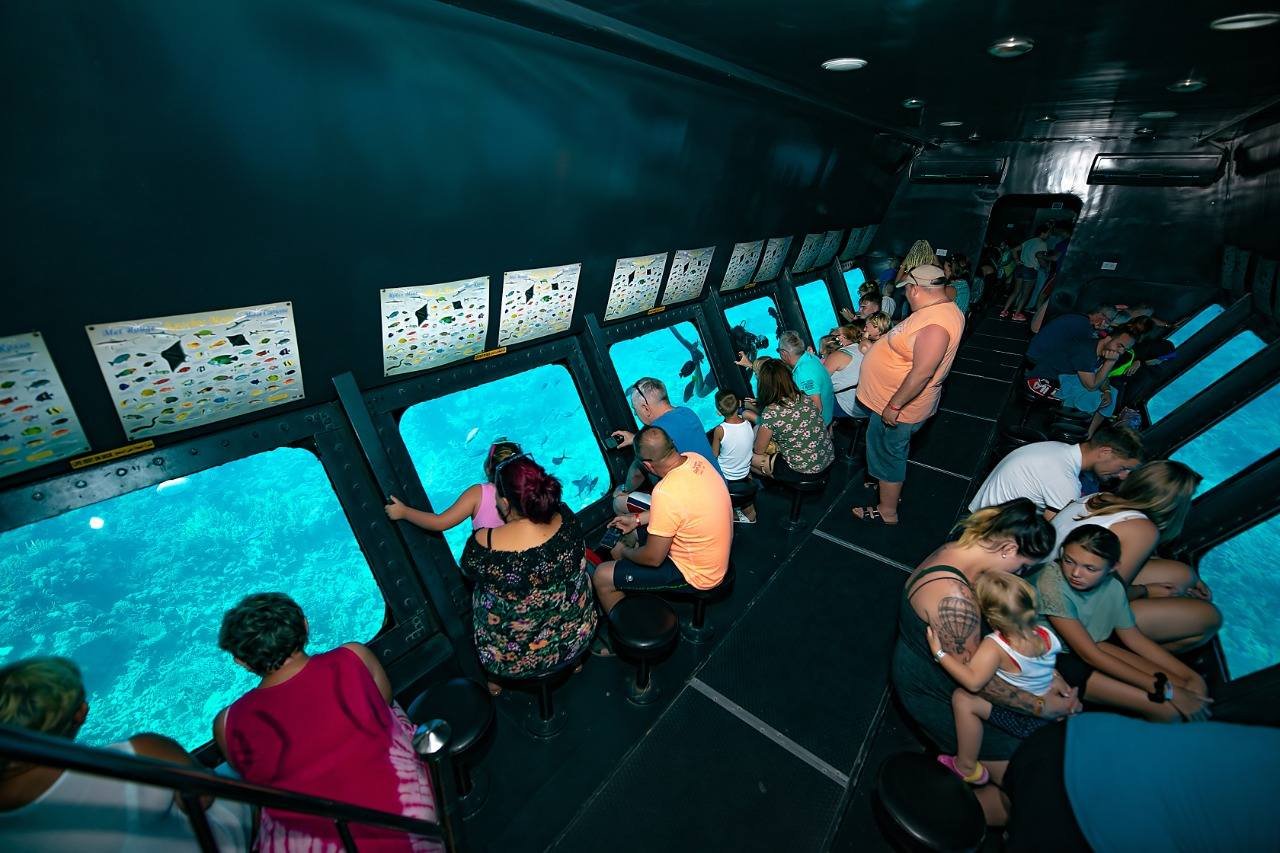
5. Think about comfort before going downstairs
Cabin access, comfort in enclosed spaces and the ability to move on steps are separate from swimming ability. A non-swimmer can plan around underwater viewing, but still needs an appropriate boarding and cabin arrangement.
Ask how to return to the open deck and when movement is allowed. Do not promise another traveler that they can leave the cabin instantly at any moment; the crew needs to coordinate safe movement. If extended time below deck is a concern, discuss the expected arrangement before payment.
No choice of semi-submarine seats guarantees freedom from boat motion or feeling unwell. Seek appropriate professional advice if you have a relevant concern and tell the crew promptly if you feel uncomfortable. This guide does not recommend medicines or assess anyone’s medical suitability.
6. Set realistic expectations for the view
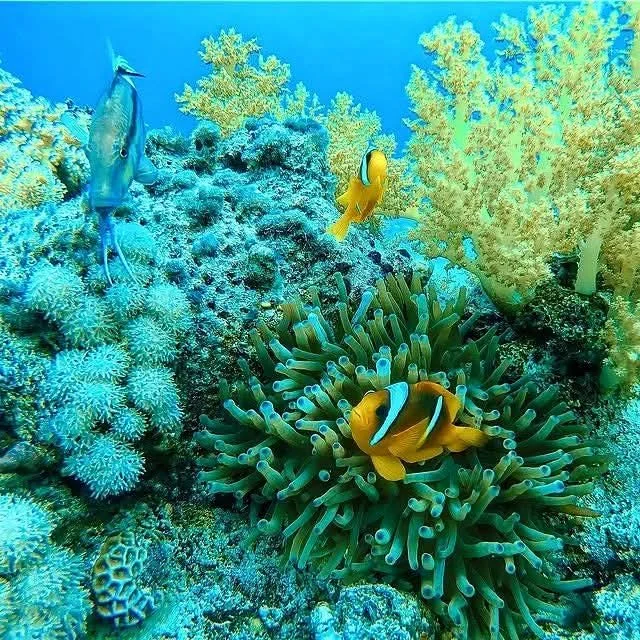
Coral and reef fish are the focus of the Panorama viewing program. The animals present, their distance from the window and water clarity vary. Do not choose a departure because a promotional photograph appears to guarantee a turtle, dolphin or a particular fish.
A useful activity for children is to notice shapes, colors and movement rather than tick off a species list. Corals themselves are animals; the NOAA explanation of coral biology provides background for understanding the reef.
The planned diver show is a separate part of the program. Follow the crew’s instructions about where to watch it and how the viewing time is organized. The listing does not confirm an exact number of minutes in the cabin, and the approximate overall duration should not be read as continuous window time.
7. Take photographs without blocking the cabin
From your permitted viewing position, check your camera screen for reflections. Avoid flash against the glass, and try a small change of camera angle if the crew permits it. The important limit is to keep your body and equipment out of the aisle and away from another person’s view.
Keep the camera close only without pressing against, touching or cleaning the window. Ask the crew if the glass needs attention. Do not use clothing or a cleaning product on it. Protect electronics from splashes elsewhere on the boat and keep bags secured while changing decks.
Taking a few short clips can leave more time to watch the scene directly. You do not need to buy underwater equipment just to photograph from inside the cabin. If professional photos are offered, ask the price and what you will receive before accepting; they are not automatically included.
8. Separate cabin viewing from snorkeling
A booking for semi-submarine seats does not oblige you to enter the water. Panorama lists one optional snorkeling stop with equipment. Tell the crew your ability and follow its briefing and assessment; a ticket or flotation aid does not establish that open-water participation is suitable.
Staying aboard can be part of your plan. Confirm where you will remain, how children will be supervised and any assistance needed. A cabin-only discount is not listed, so do not subtract an assumed snorkeling price from the standard fare.
Do not confuse the viewing program with an island excursion or a private speedboat. The glass boat versus semi-submarine guide helps distinguish viewing arrangements; the main planning guide explains the available Panorama combinations.
9. Request semi-submarine seats for your group
Send the date, hotel, group size and children’s ages. Describe any access or seating need, and ask what is confirmed rather than merely requested. If sitting together is important, ask about the actual arrangement before assuming the party will share adjacent windows.
The current published fare is €25 for ages 11 and over, €15 for ages 4–10 and free for ages 0–3. Hurghada hotel transfer is included; other resort arrangements must be confirmed separately. A child fare is not an assessment of cabin access or water-activity eligibility.
Check the hotel collection and expected return as well as the activity time. Do not plan a tight onward connection around a three-hour estimate. If a particular requirement cannot be confirmed, resolve it before booking rather than hoping to change seats after boarding.
Use the contact page to explain practical needs, and review the cancellation and date-change policy. An essential access requirement belongs in the booking conversation, not just in a note you intend to mention at the marina.
Semi-submarine seats: frequently asked questions
Do I need to pay for a premium seat to see the reef?
The standard Panorama fare includes underwater cabin viewing at €25 for ages 11+, €15 for ages 4–10 and no base fare for ages 0–3. The published package does not list a premium-seat upgrade or promise a private window. Ask about your seating needs before booking; a higher payment cannot guarantee clearer water or particular wildlife. Professional photographs are a separate optional purchase.
How do I book Panorama and request seats without a deposit?
Use the Panorama booking page or contact our team with your date, full hotel name, number of travelers and every child’s age. Confirm availability, the group total and any outside-Hurghada transfer supplement. Explain any seating or access needs and ask what the team can confirm; a request does not guarantee adjacent seats. No advance deposit is required. Pay cash in euros to our representative on the trip day, at pickup before the excursion begins. Keep the confirmed total and pickup time with your booking.
Can I reserve specific semi-submarine seats?
A particular row or window is not included in the published standard Panorama package. Ask about the vessel and its seat-allocation arrangements before booking. Treat a request as a request until the team confirms it in writing; do not assume a premium label includes reserved seating.
Which side of the cabin has the best view?
There is no consistently best left or right side. Vessel position, the route, water clarity, reflections and wildlife movement affect the view. Follow crew seating directions and ask before changing places. A photograph taken on one departure cannot predict the next departure’s view.
Are front-row semi-submarine seats always better?
No published seating plan establishes a universally better row. Check the actual window, your eye level, obstructions and access needs. A comfortable place that keeps the walkway clear is more useful than an unsupported promise about the front, middle or back.
How do I check whether a child will see through the window?
Ask about the window height and the permitted seating arrangement for the child’s age. Do not stand children on seats or create an improvised raised platform. Agree adult supervision for the cabin and for any time other members of the party enter the water.
Does a window seat mean I can avoid stairs?
No. Window position and cabin access are separate questions. Ask about boarding, the route down to the viewing area, handrails, steps and any assistance required. The standard listing does not confirm a step-free route or wheelchair access.
Can I return to the upper deck whenever I want?
Ask the crew how movement between decks is organized. The vessel’s operation and the group’s movement may affect when you can use the stairs. If you are unsure about an enclosed cabin, discuss that before booking and again before descending.
Will a particular seat prevent seasickness?
No seat is a guarantee against feeling unwell. Discuss relevant concerns before the trip and seek appropriate professional advice where needed. Tell the crew promptly if you feel uncomfortable, and ask how to return to an appropriate area safely.
How long will I stay at the underwater window?
The current product gives an approximate three-hour experience, not a guaranteed cabin session. The program includes multiple activities and coordination. Ask about expected cabin arrangements; a fixed 30–60-minute viewing period is not established by the published itinerary.
Do I need a waterproof camera for cabin photographs?
You take cabin photographs from inside the boat, so do not buy equipment solely because the windows are underwater. Protect your camera against splashes elsewhere on the vessel. Check reflections, avoid flash against the glass and follow the crew’s rules about where you can hold or use equipment.
Can I touch or clean a window to improve my photograph?
Ask the crew if a window needs attention. Do not rub it with clothing, use cleaning chemicals or press equipment against it. Keep your camera close only when this is permitted and does not obstruct another guest or the aisle.
Does staying in the cabin reduce the ticket price?
A separate cabin-only discount is not listed in the standard program. Snorkeling is optional, so choosing to stay aboard does not itself establish a different fare. Confirm your non-swimming plan and the complete booking total before reserving.
What should I send when asking about seating?
Send the date, party size, children’s ages and the practical need: help on steps, a lower viewing position, staying together or avoiding extended time in an enclosed area. Ask what can actually be confirmed, alongside the hotel pickup and return arrangements.
For the complete itinerary and what the fare covers, return to the main Semi Submarine Hurghada guide, then check availability on the actual Panorama tour page.