

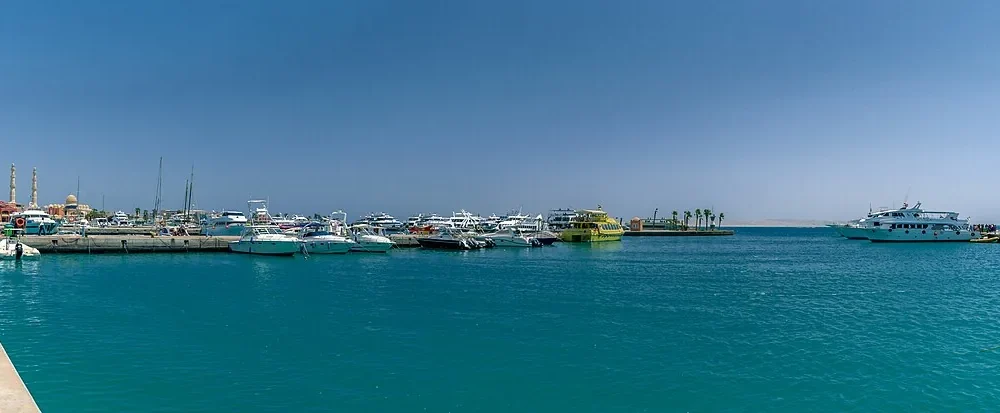
Quick answer: Hurghada Cash or Card is not an either/or choice. The best approach is to carry some Egyptian pounds for taxis, tips, small shops and everyday purchases, while keeping a bank card for hotels, larger restaurants, bigger shops and planned payments. Egypt’s official tourism website says the Egyptian pound is the national currency and notes that although credit cards are accepted in major cities and tourist destinations, Egypt is still a cash-based society, especially for taxis and small shops.
Euros, US dollars and other foreign currencies can sometimes be accepted in tourist-facing businesses, but that does not mean they are always the best value. For daily spending in Hurghada, local Egyptian pounds are usually the easiest way to understand the real price and avoid a seller using their own conversion rate.
For excursions, always check the exact current tour price before paying. You can browse all Hurghada Travels tours, or ask us on WhatsApp for the current total.
Table of Contents
Hurghada Cash or Card: the practical answer
| Situation | Usually easiest | Why |
|---|---|---|
| Hotel bill | Card | Major hotels commonly accept cards |
| Large restaurant | Card or EGP cash | Both may be accepted; ask before ordering |
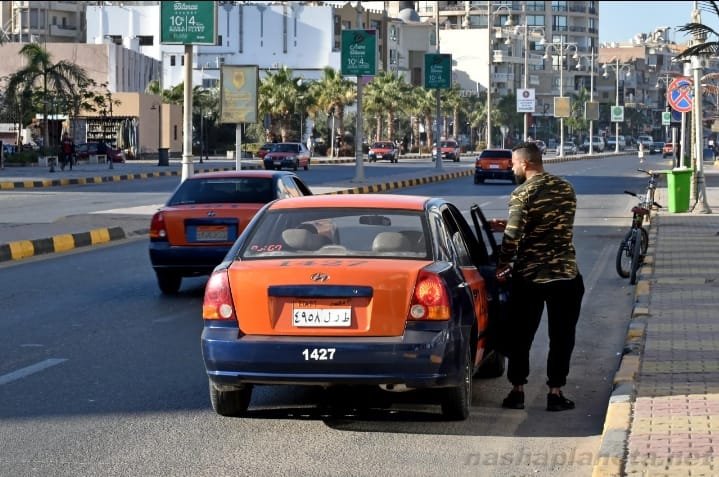
| Taxi | EGP cash | Cash is still common for local transport |
| Market or small shop | EGP cash | Small retailers may not have reliable card facilities |
| Tips | Small EGP notes | Simple and practical |
| Tour booking | Use the confirmed booking option | Payment method can depend on the actual booking |
| Optional extras on tours | Cash | Photos, tips and small extras are often paid separately |
That mix is why the best Hurghada Cash or Card strategy is to use both. Carrying no cash at all can be inconvenient, but carrying your entire holiday budget in cash is unnecessary.
1. What currency should you use in Hurghada?
Egypt’s official currency is the Egyptian pound, abbreviated EGP. Egypt’s official tourism site states that currency exchange is widely available in major hotels, tourist destinations and airports, and that commercial banks operate ATMs with currency-exchange services.
For local prices, the Egyptian pound is the easiest reference point. If a taxi, shop, restaurant or optional activity gives you a price in euros, pounds sterling or dollars, ask what the EGP price is too. That lets you compare the actual cost instead of accepting a convenient rounded conversion.
Official reference: Experience Egypt – Useful Information.

2. When is cash better in Hurghada?
For everyday spending, Hurghada Cash or Card usually favors cash for small transactions. The official Experience Egypt guidance specifically notes that Egypt remains cash-based for things such as taxis and small shops.
Carry EGP cash for:
- Taxis and some local transport.
- Tips for hotel staff, drivers, guides and boat crews.
- Small cafés and kiosks.
- Markets and smaller shops.
- Public toilets or small service charges.
- Optional photos, videos or personal purchases during excursions.
- Small purchases where using a card would be inconvenient.
Try to keep some smaller notes rather than only large bills. A 200-pound note may be useful for a larger purchase but awkward for a small tip or short taxi ride.
For tipping specifically, see our Hurghada Tipping Guide.
3. When is card better?
For larger payments, the Hurghada Cash or Card balance often shifts toward card when the business has a reliable terminal. Major hotels, larger restaurants, supermarkets, malls and established tourism businesses are more likely to accept Visa or Mastercard than a market stall or local taxi.
Before relying on a card for a meal or activity, ask first. Card acceptance is not the same as guaranteed terminal availability every minute. Internet, terminal or bank issues can happen, so a small cash backup is sensible.
The best Hurghada Cash or Card plan is redundancy: one card plus a modest amount of EGP, rather than depending completely on one payment method.
4. Can you pay in euros in Hurghada?
Yes, euros and other major foreign currencies may be accepted by some hotels, larger stores and tourist-facing businesses. Egypt’s official tourism guide notes that certain foreign currencies such as euros, sterling and dollars can be accepted in some larger tourism businesses.
But “accepted” does not automatically mean “best value.” If a merchant creates their own rounded EUR-to-EGP rate, you may pay more than if you had paid the quoted price in Egyptian pounds.
For that reason, use foreign cash where it is specifically useful or where a confirmed price is quoted in that currency. For ordinary local spending, EGP is usually clearer.
This is one of the most important Hurghada Cash or Card rules: compare the amount, not just the currency.
5. ATMs and currency exchange in Hurghada
Another useful Hurghada Cash or Card rule is that you do not need to carry your entire holiday budget from home. Official Egyptian tourism information says ATMs and exchange services are widely available in major tourist destinations and hotels.
When using an ATM:
- Prefer an ATM belonging to a known bank.
- Check your own bank’s overseas withdrawal fee before travelling.
- Review any fee shown on the ATM before confirming.
- Take your card and cash before walking away.
- Avoid making many tiny withdrawals if your bank charges a fixed fee each time.
- Keep enough cash for the next day or excursion, not your entire holiday budget in your wallet.
Exchange rates change, so this guide deliberately does not publish a fixed EUR/EGP or GBP/EGP number. Check the live bank rate when you actually exchange or withdraw.
6. Paying by card: local currency or home currency?
When an international card is used abroad, a terminal or ATM may offer to convert the transaction into your home currency. Visa calls this Dynamic Currency Conversion, or DCC. Visa explains that the conversion can include its own exchange rate and additional fees or markup.
If you choose the local Egyptian-pound amount instead, the conversion is generally handled later by your card issuer under your card’s exchange-rate and fee rules. Visa advises travelers to review the displayed conversion details and says cardholders must be given the choice to accept or decline DCC.
Official reference: Visa – Dynamic Currency Conversion.
So the practical Hurghada Cash or Card check is: read the screen before pressing the green button. Do not assume the “helpful” converted amount is automatically cheaper.
7. Tipping: why small EGP notes matter
Tipping is common in tourism and hospitality. You do not need to tip everyone constantly, but small notes make normal service tipping much easier than trying to break a large bill.
Useful situations include:
- Hotel housekeeping or luggage assistance.
- Drivers after a transfer or excursion.
- Boat crews and guides when you are happy with the service.
- Restaurant staff when service is not already fully covered.
Do not feel forced into a tip just because someone asks. A tip is different from a mandatory fee. If a charge is mandatory, it should be explained clearly as part of the price.
Read Hurghada Tipping Guide 2026 for more detail.
8. Cash, card and taxis in Hurghada
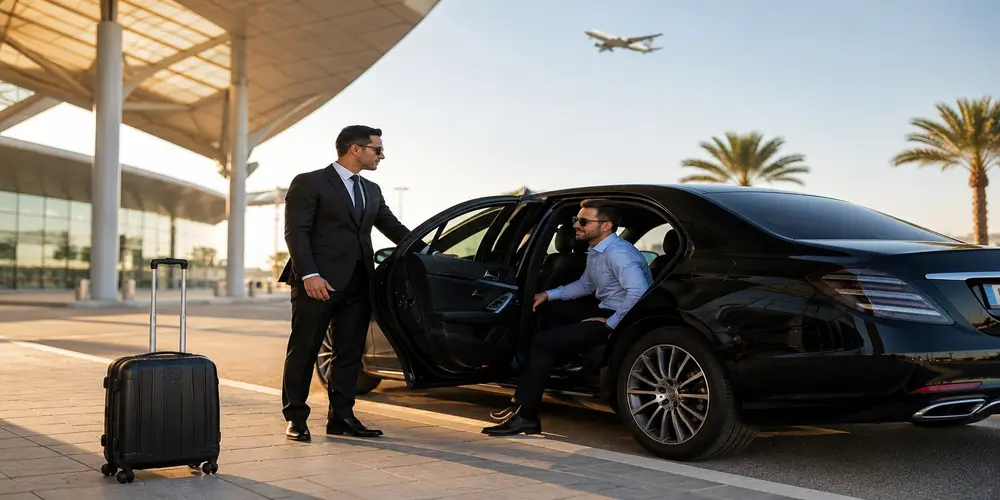
Taxis are one of the clearest Hurghada Cash or Card examples and a strong reason not to arrive with only a bank card. Agree the fare before starting when the ride is not app-metered or prepaid, and have an appropriate amount in Egyptian pounds.
If you have arranged a private airport transfer, confirm the booking, vehicle and total price before arrival. See Hurghada Airport Private Transfer and Hurghada Airport Taxi Price.
9. Shopping, markets and bargaining
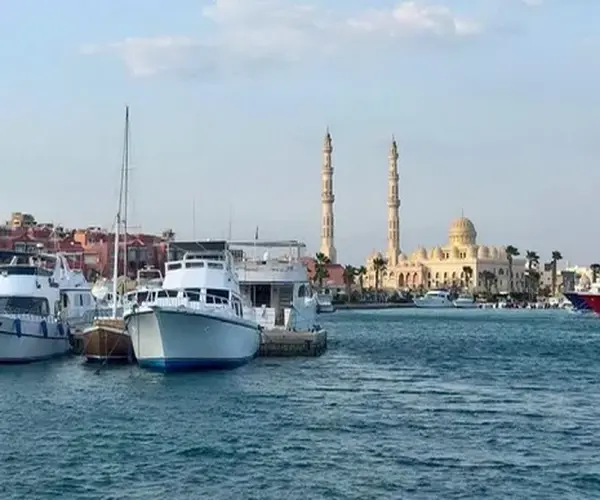
Cash is helpful in smaller markets because it gives both sides a clear final amount. If bargaining, agree on the currency first. “20” means nothing until both parties agree whether it is 20 euros, dollars or Egyptian pounds.
For larger stores, card payment may be available. If paying by card, check the terminal amount before entering your PIN or confirming the transaction.
Our Hurghada Shopping Guide covers souvenirs, markets, bargaining and what tourists should avoid. For common money-pressure situations, also read Hurghada Scams & Tourist Traps.
10. How much cash should you take on an excursion?
For excursions, Hurghada Cash or Card planning starts with the confirmed booking total. If the tour price is already confirmed and paid or scheduled for payment, you do not need to carry a large amount of extra cash. Take enough for the optional purchases you actually want: photos, videos, optional tickets, personal drinks not included, or tips.
The exact answer depends on the excursion. Current Hurghada Travels examples include:
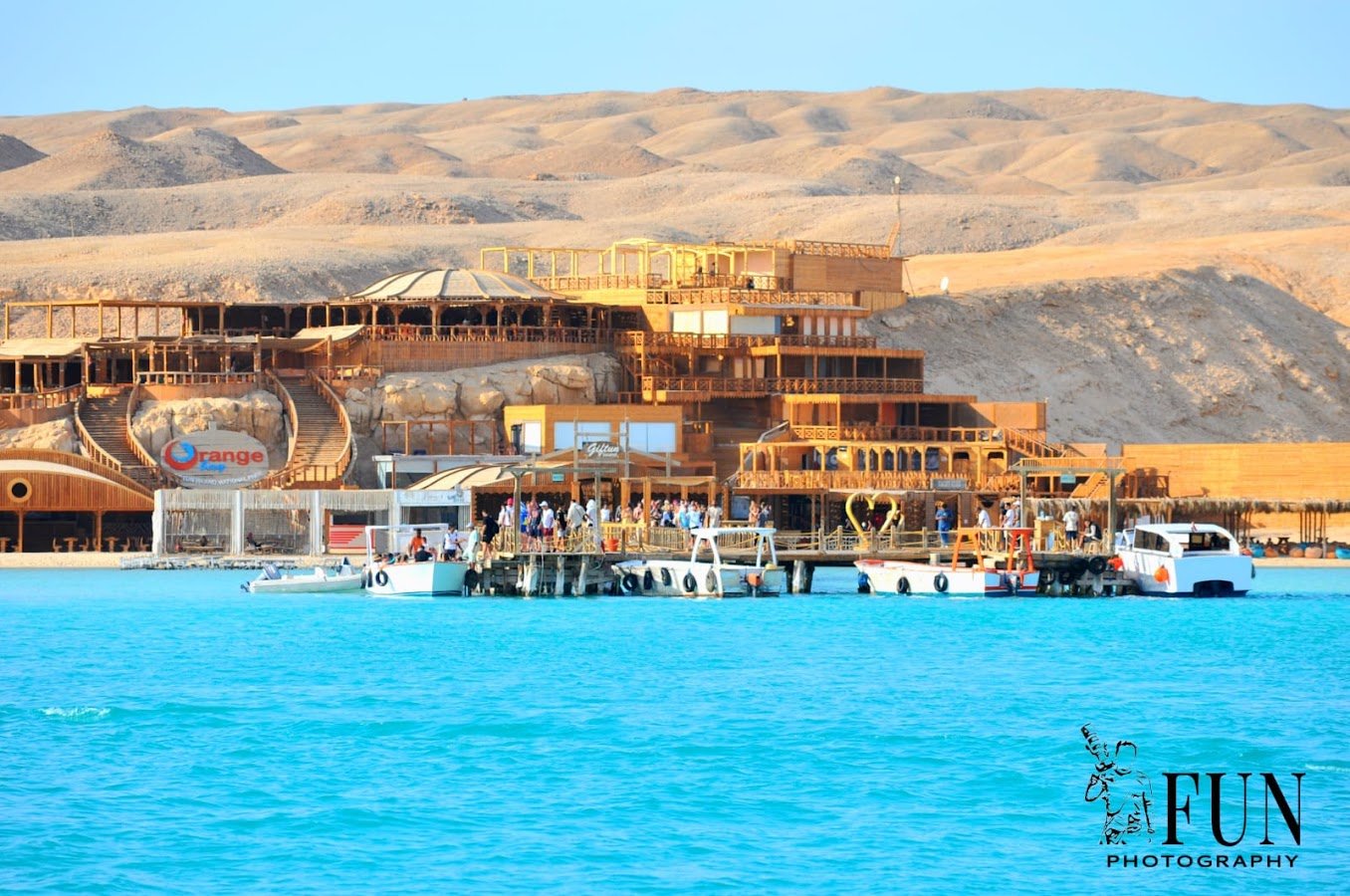
- Orange Bay Snorkeling Trip — currently €25 per guest aged 11+, €15 ages 4–10, ages 0–3 free.
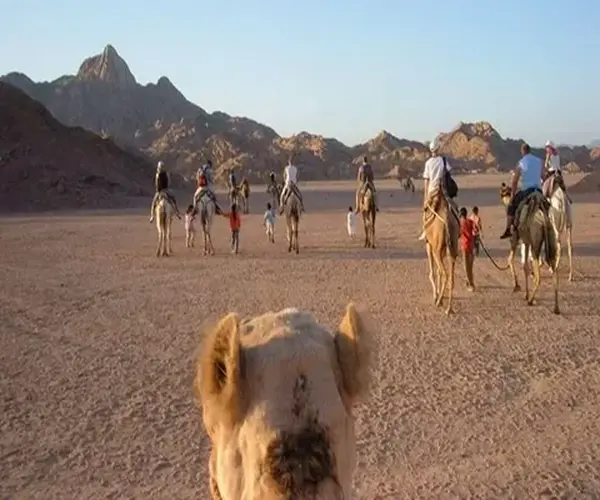
- Super Safari Hurghada — currently €25 adult, €15 child ages 4–10, ages 0–3 free.
- Parasailing Hurghada — currently €25 for ages 11+, €15 for ages 4–10.
- Private Speed Boat Hurghada — currently €150 total for the whole boat for 1–6 guests; optional Orange Bay is +€10 per visitor.
- Luxor Day Trip by Bus — currently €65 aged 10+, €35 aged 4–9. Infants aged 0–3 pay €20 on the Luxor bus or €35 on the Luxor mini bus (Hiace).
- Cairo Day Trip by Bus — currently €65 aged 10+, €35 aged 4–9. Infants aged 0–3 pay €20 on the Tahrir Museum bus or GEM bus, €35 on the Tahrir Museum mini bus (Hiace), and €40 on the GEM mini bus (Hiace).
These examples show why you should separate the confirmed tour price from spending money. Optional extras are not the same as the base excursion fare.
11. Cash for safari, parasailing and boat-trip extras
Different excursions create different small cash needs. On Super Safari, scarf and goggles are not included in the current program, so bringing your own can avoid an extra purchase. On Parasailing, professional photos and videos are optional. On boat trips, personal photos, videos or island extras may be separate.
This is where Hurghada Cash or Card planning saves time: read the Included/Excluded section before departure and bring cash only for the extras you may actually choose.

12. A simple money setup for a Hurghada holiday
You do not need a complicated travel-wallet system. A simple setup works:
- Keep one main card for larger payments.
- Carry a backup card separately if possible.
- Withdraw or exchange enough EGP for a few days of small spending.
- Keep small EGP notes for taxis and tips.
- Do not carry all your cash in one place.
- Save your bank’s international contact number.
- Check your bank’s foreign transaction and ATM fees before travelling.
- Do not publish or photograph the full card number.
For a complete holiday-spending estimate, see Hurghada 7 Day Budget: How Much Money Do You Need?.
Should you exchange money before arriving?
You do not need to obtain your full holiday spending money before flying. Exchange services and ATMs are widely available in tourist destinations. Some travelers prefer carrying a small arrival amount and then withdrawing or exchanging locally as needed.
If you exchange cash, use a legitimate bank, hotel exchange service or licensed exchange office. Egypt’s official tourism guide warns against black-market exchange. Keep your transaction receipt where appropriate.
What about the Egypt visa on arrival?
The visa-on-arrival payment is a separate issue from everyday Hurghada spending. Egypt’s official tourism website currently lists the visa-on-arrival fee as USD 30 at the airport bank counter for eligible travelers. Visa rules and eligibility vary by nationality, so check before travel rather than relying on an old forum post.
See our Hurghada Visa Guide and the official Experience Egypt information.
Frequently asked questions
Is Hurghada Cash or Card better?
Use both. Cash in Egyptian pounds is best for many small purchases, taxis and tips; cards are convenient for larger hotels, restaurants and established businesses.
Can I use euros in Hurghada?
Some tourist-facing businesses accept euros, but the conversion rate may not be the best. Ask for the EGP price as well before deciding.
Should I take Egyptian pounds to Hurghada?
Yes, having some EGP is useful. You do not need to bring your entire holiday budget in cash because ATMs and exchange services are widely available.
Can I pay by card in restaurants?
Many larger restaurants accept cards, but ask before ordering if you have no cash backup. Smaller cafés may prefer cash.
Do taxis take cards in Hurghada?
Do not assume they do. EGP cash remains the simplest payment method for many taxi journeys unless the ride is prepaid or handled through an app with card payment.
Are Visa and Mastercard accepted in Hurghada?
They are widely used in major hotels, larger shops and tourist businesses, but acceptance varies by individual merchant and terminal availability.
Should I pay in EGP or my home currency on a card terminal?
If the terminal offers Dynamic Currency Conversion, review the exchange rate and fees shown. Visa explains that you have the right to choose whether to accept or decline that conversion. Paying in local currency means your card issuer handles the later conversion under its own terms.
Are ATMs easy to find in Hurghada?
Yes. Official Egyptian tourism information says commercial-bank ATMs and exchange services are widely available in major tourist destinations and hotels.
How much cash should I carry each day?
Enough for expected small purchases, transport, tips and optional extras—not your whole holiday budget. The exact amount depends on your plans.
What currency should I tip in?
Small Egyptian-pound notes are simple and practical for local tipping. See the dedicated Hurghada Tipping Guide for typical situations.
Can I pay Hurghada tour prices in euros?
Many Hurghada excursion prices are quoted in euros for international visitors, but the exact payment method should be confirmed on your actual booking. Always confirm the full total before payment.
Do I need cash on Orange Bay?
The main tour price covers the inclusions listed on the booking page. Carry some optional spending money if you may buy personal items, photos or other extras.
Do I need cash on Luxor or Cairo trips?
Take some spending cash for optional tickets, tips and personal purchases. The standard included tickets are already listed on the linked tour pages.
Is it safe to carry cash in Hurghada?
Carry only what you reasonably need, split larger amounts between secure locations, and use your hotel safe for money or documents you do not need during the day.
What if my card does not work?
Keep a small cash backup and, if possible, a second card stored separately. Contact your bank if the card is being blocked for overseas use.
Final answer: the best Hurghada money strategy
The best Hurghada Cash or Card setup is simple: card for larger, established businesses; EGP cash for daily life; a small emergency backup; and no fixed assumption that euros or dollars are automatically cheaper.
Use official or bank exchange services, check card and ATM fees, read the currency choice before confirming a card transaction, and ask the full price before accepting taxis, shopping purchases or excursion extras.
For current excursion prices and direct booking pages, browse all Hurghada Travels tours. If you want the exact current total for your hotel, date and travelers, contact Hurghada Travels on WhatsApp.