

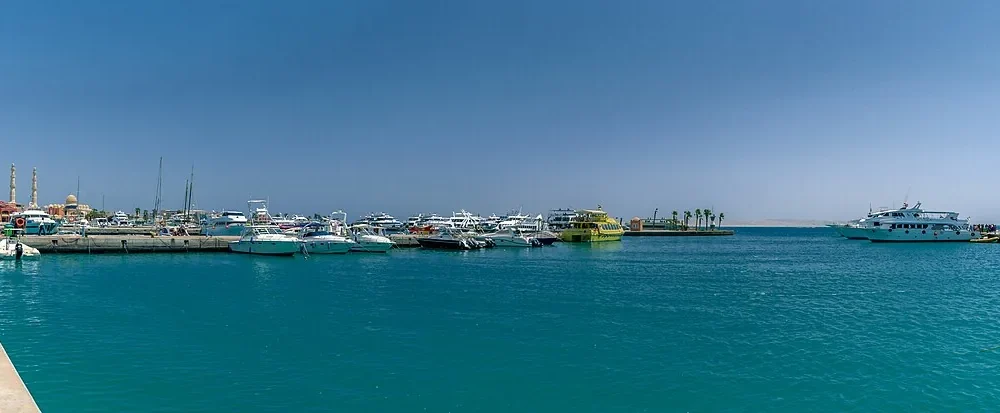
Hurghada Shopping Guide questions usually start with the same things: Where should I shop, what souvenirs are actually worth buying, how much should I bargain, should I pay in Egyptian pounds or euros, and how do I avoid buying something fake or difficult to take home?
Hurghada has two very different shopping experiences. You can visit modern tourist areas such as the Marina and El Mamsha for an easier, more relaxed walk, or head toward Dahar and older commercial streets for traditional markets, spices, household goods and more bargaining.
This Hurghada Shopping Guide covers the best areas, Egyptian cotton, papyrus, spices, ceramics, jewellery, perfumes, bargaining, payment, receipts, customs considerations and the questions tourists ask most before buying souvenirs.
Hurghada Shopping Guide: quick answer
- Best for easy tourist shopping: Hurghada Marina, Sheraton Road and El Mamsha.
- Best for a more local market atmosphere: Dahar / Old Town.
- Best souvenirs: Egyptian cotton, papyrus artwork, spices, ceramics, lamps, textiles and properly documented jewellery.
- Bargaining: normal in many bazaars, but not in every fixed-price shop.
- Payment: Egyptian pounds are useful for smaller purchases; cards are more common in larger shops.
- Ask the full price before agreeing and make sure you know whether it is per item, per gram or for the whole set.
- Keep receipts for higher-value purchases such as jewellery.
- Do not buy anything presented as a genuine antiquity. Egyptian Customs lists antiquities among prohibited goods for export.
Popular Hurghada tours – direct booking
If shopping is only part of your holiday, these are direct links to the actual tour pages:
Related Hurghada guides
- Hurghada City Tour – Marina, Old Town and shopping areas.
- Getting Around Hurghada – Uber, inDrive, taxis and transfers.
- Hurghada Tipping Guide – cash and gratuity etiquette.
- Where to Stay in Hurghada – compare Marina, Mamsha, Dahar and resort areas.
- Hurghada for Solo Female Travellers – shopping and transport precautions.
- Hurghada SIM Card & eSIM – maps and ride-app connectivity.
- Hurghada Travel Guide – first-time holiday planning.
1. Hurghada Shopping Guide: where should you shop?
The official Egyptian Tourism Authority describes Hurghada as a city with shops, cafés, marina areas and traditional souks. The best place depends on whether you want easy tourist shopping or a more local market experience.
Experience Egypt’s Hurghada city guide specifically highlights the city center, marina promenade and traditional markets.
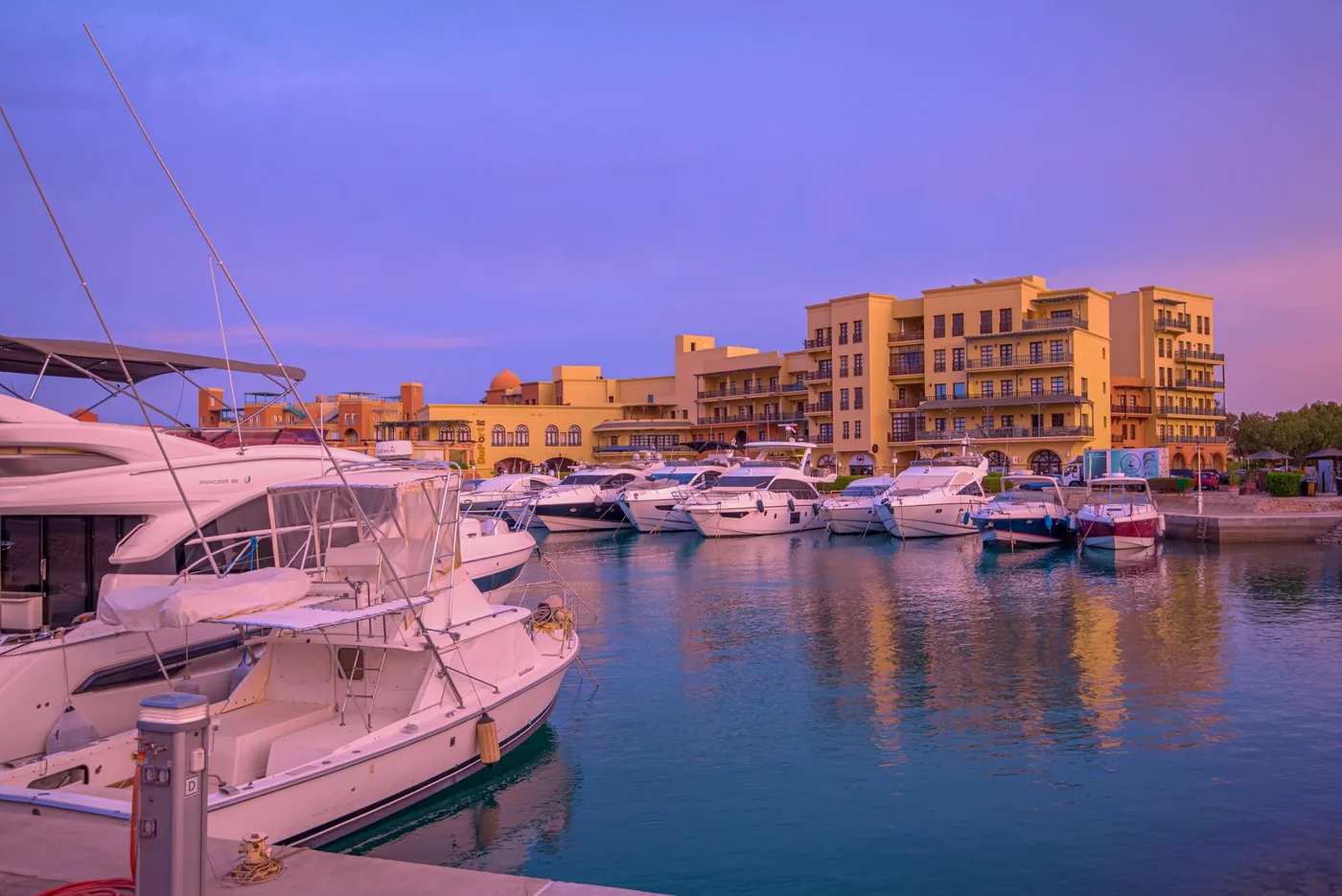
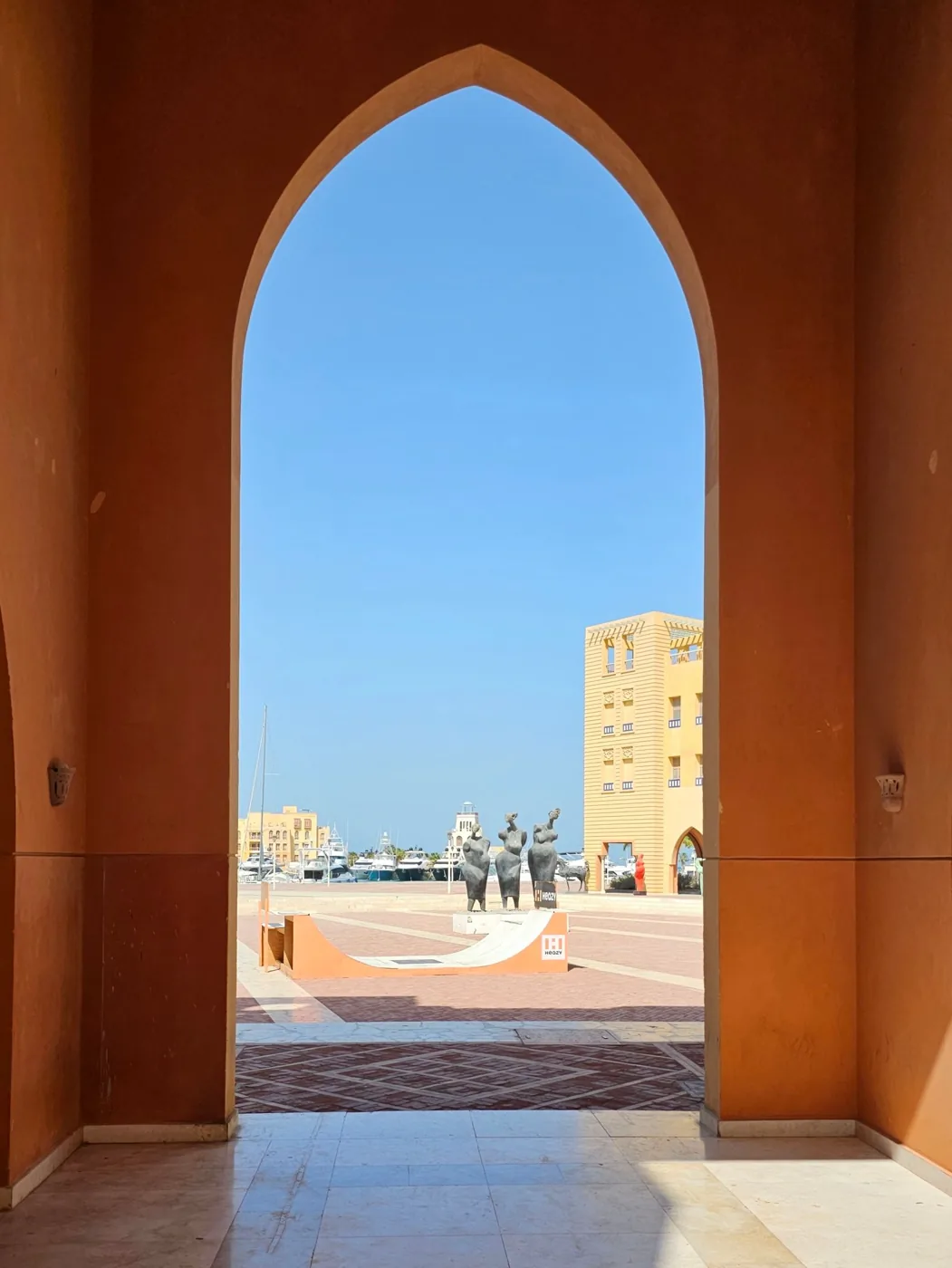
Hurghada Marina
Best for an easy evening walk, cafés, restaurants and tourist-oriented shops. It is not the place to go if your main goal is the cheapest local household shopping, but it is comfortable for first-time visitors.
El Mamsha
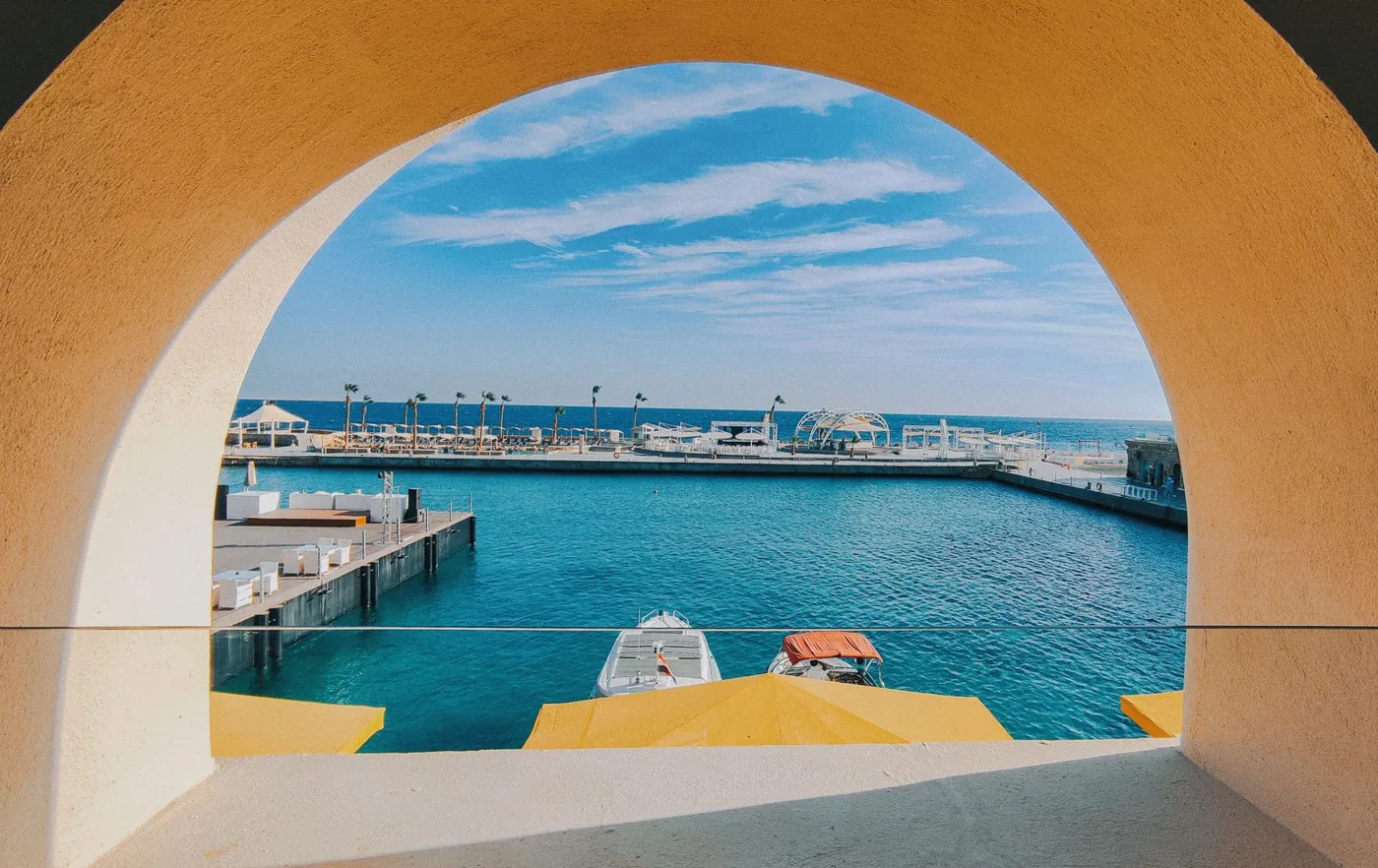
Good for casual tourist shopping close to many hotels. You will find clothing, pharmacies, convenience shops, souvenirs and cafés along and around the promenade.
Sheraton Road
A busy central tourist street with many shops and services. It can be more intense than the Marina, with more sales approaches and bargaining in some stores.
Dahar / Old Town
Better for a more local feel, traditional shops, produce, spices and everyday Egyptian commerce. Prices are not automatically lower simply because the area feels local, so compare before buying.
2. Hurghada Shopping Guide: the best Egyptian souvenirs
Egypt’s official tourism portal recommends souvenirs including handwoven kilims, pottery and ceramics, gold cartouches, papyrus artwork, Egyptian cotton, traditional jewellery and decorative items.
See the official Experience Egypt Shopping & Nightlife guide for the national souvenir list.
The best souvenir is something you will actually use or display rather than an item you buy under pressure because a seller says the offer ends immediately.
3. Hurghada Shopping Guide: Egyptian cotton
Egyptian cotton towels, sheets, T-shirts and scarves are popular because the name carries a strong reputation. The problem is that the words “Egyptian cotton” can be used loosely in tourist sales.
Before buying:
- check the fabric label;
- feel the material rather than relying only on the sales description;
- ask whether the item is 100% cotton or a blend;
- compare two or three shops if the purchase is expensive;
- keep the receipt for high-value linen purchases.
For a simple T-shirt or towel, you do not need a complicated authenticity conversation. Buy it because you like the product and the price makes sense.
4. Hurghada Shopping Guide: papyrus paintings and artwork
Papyrus artwork is one of the most recognisable Egyptian souvenirs. Quality varies from mass-produced tourist designs to better handmade pieces.
Ask what the material actually is and look closely at the surface. If a seller is making a strong claim about handmade production, originality or artist value, ask for details rather than treating every colourful sheet as collectible art.
For gifts, choose a design you genuinely like and a price you are comfortable paying. You do not need to prove that an inexpensive souvenir is museum-grade art.
5. Hurghada Shopping Guide: spices, hibiscus and tea
Spices and dried hibiscus are popular because they are easy to carry and strongly associated with Egyptian food and drinks.
Choose products that look clean, dry and properly stored. If the spices are sold loose, check smell and condition before buying. For packaged products, check the ingredients and date.
If you are flying to another country, remember that your destination country—not only Egypt—may have rules about bringing in plant or food products.
6. Hurghada Shopping Guide: perfume oils and fragrance
Perfume oils are sold widely in tourist areas. The experience can be fun, but labels and strength vary.
Before buying a large bottle:
- test a small amount on a scent strip or skin if appropriate;
- wait a few minutes before deciding;
- ask whether the bottle will be sealed for travel;
- confirm the final bottle size and total price;
- remember airline liquid limits for hand luggage.
If a product is sold as a branded designer fragrance, be cautious about authenticity claims unless you are buying from an authorised retailer.
7. Hurghada Shopping Guide: jewellery, gold and silver
Jewellery can be a meaningful purchase, but it is one category where you should slow down. Price depends on metal type, purity, weight, workmanship and sometimes stones.
Ask:
- what karat or purity is being sold;
- the item weight;
- whether stones are included in the quoted price;
- whether there is a hallmark;
- for an itemised receipt.
Do not buy expensive jewellery only because you are told “today is the last day” or because a guide, driver or salesperson is waiting for your answer.
The Egyptian Ministry of Tourism and Antiquities maintains a licensing category for tourist souvenir-goods shops, which is another reason to prefer established businesses for expensive purchases. See the Ministry of Tourism and Antiquities.
8. Hurghada Shopping Guide: ceramics and decorative items
Ceramics, lamps, decorative boxes and small home accessories can make good gifts, but transport is the main issue.
For breakable pieces:
- check for cracks before payment;
- ask for strong wrapping;
- pack fragile items in the centre of your suitcase;
- do not rely on the shop’s promise that baggage handlers will be careful.
For lamps, remember that electrical fittings and plugs may not match your home country.
9. Hurghada Shopping Guide: how bargaining works
Bargaining is common in many bazaars and souvenir shops, but it is not universal. Supermarkets, pharmacies, malls and clearly marked fixed-price stores normally use the displayed price.
In a bargaining shop:
- ask the price;
- decide your own maximum before negotiating;
- make a lower counteroffer;
- stay friendly;
- walk away if the price does not work for you.
You do not need to turn every purchase into a long contest. If the price is fair and the difference is small, paying and enjoying your holiday can be worth more than arguing for another ten minutes.
10. Hurghada Shopping Guide: understand the unit before bargaining
One common shopping mistake is negotiating a number before understanding what the number applies to.
Ask whether the quoted price is:
- per item;
- per pair;
- per box;
- per gram;
- per 100 grams;
- for the complete set.
This matters especially for spices, jewellery, perfume oils and products sold by weight.
11. Hurghada Shopping Guide: cash, euros and cards
Egyptian pounds are useful for local markets, small souvenirs and taxis. Larger tourist shops may accept cards or foreign currencies, but that does not automatically mean the exchange rate offered by the shop is attractive.
If you pay in euros, pounds or dollars, ask for the final total in that currency before handing over cash. If you use a card, check the amount on the terminal yourself before approving it.
Our Hurghada Tipping Guide explains how to keep small Egyptian-pound notes for everyday situations.
12. Hurghada Shopping Guide for solo travellers
If you are shopping alone, you do not need to enter every shop that invites you inside. You can browse, say “no thank you” and keep walking.
Do not let a seller take you to a second location because the “real shop” is nearby unless you genuinely want to go. Keep expensive purchases traceable with a receipt and shop address.
For transport back to your hotel, use a ride app, known taxi arrangement or hotel transfer rather than accepting a ride from a seller you have just met.

Read Hurghada for Solo Female Travellers for broader solo-travel planning.
13. Shopping during a Hurghada City Tour
A city tour is useful when you want sightseeing and a short shopping stop in one program rather than arranging transport independently.
The important point is to separate the sightseeing value from the shopping decision. You are never required to buy something simply because the tour stops at a shop.

See our Hurghada City Tour guide for the wider city program.
14. Hurghada Shopping Guide: what should you not buy?
The clearest category to avoid is anything claimed to be a genuine antiquity. Egyptian Customs lists antiquities among prohibited goods for export. If someone claims an object is genuinely ancient, that is a reason not to treat it as an ordinary souvenir.
See the Egyptian Customs traveller rules.
Also be cautious with:
- products presented as protected coral, shells or wildlife-derived material;
- counterfeit branded goods;
- unlabelled cosmetics or oils if you have sensitive skin;
- expensive jewellery without a receipt;
- food products that your destination country may not allow you to import.
15. Hurghada Shopping Guide FAQs
Hurghada Shopping Guide: where is the best shopping in Hurghada?
Hurghada Marina, El Mamsha and Sheraton Road are easy tourist shopping areas. Dahar / Old Town gives a more local market atmosphere.
Is Dahar good for souvenirs?
Yes, but it is also a normal local commercial area, not only a souvenir market. You will find a mix of everyday goods, produce, spices and tourist items.
Is Hurghada Marina good for shopping?
Yes for easy evening shopping, cafés and tourist-oriented stores. It is more about convenience and atmosphere than finding the lowest local price.
Do I need to bargain in Hurghada?
Not everywhere. Bargaining is common in many bazaars and souvenir shops, while supermarkets, pharmacies and fixed-price stores generally use marked prices.
How much should I offer when bargaining?
There is no universal percentage. Decide what the item is worth to you, make a lower counteroffer and negotiate from there.
Can I walk away when bargaining?
Yes. If you do not agree on a price, thank the seller and leave.
Should I pay in Egyptian pounds?
Egyptian pounds are practical for markets and small purchases. Some tourist shops also accept cards and foreign currency.
Can I use a credit card in Hurghada shops?
Many larger shops accept cards, but small market sellers may prefer cash. Check the final amount on the terminal before approving payment.
Hurghada Shopping Guide: what are the best souvenirs from Egypt?
Popular options include Egyptian cotton, papyrus art, spices, ceramics, textiles, decorative lamps and jewellery from reputable shops.
Is Egyptian cotton a good souvenir?
Yes, especially towels, sheets and clothing. Check the fabric label and compare quality rather than relying only on the words “Egyptian cotton.”
Is papyrus worth buying?
It can be a good lightweight gift. Buy it because you like the artwork and price, and be cautious with exaggerated authenticity claims.
Are spices good souvenirs?
Yes. Choose clean, dry products and remember your home country’s rules for importing plant or food products.
Should I buy perfume oils in Hurghada?
Only if you like the scent and the bottle/price are clear. Test before buying and remember airline liquid limits.
Is gold cheaper in Hurghada?
Do not assume it is automatically cheaper. Compare the current metal value, purity, weight, workmanship and total price. Ask for a receipt.
Can I buy genuine antiquities?
Do not treat genuine antiquities as normal souvenirs. Egyptian Customs lists antiquities among prohibited goods for export.
Can I take shells or coral home?
Do not collect natural coral or wildlife products from the Red Sea, and be cautious with items claimed to be coral or protected material. Import rules in your home country may also apply.
Is shopping safe for solo women?
Normal precautions apply. Shop in busy areas, do not follow sellers to unknown locations and use traceable transport back to the hotel.
Do city tours force you to shop?
You should never be required to buy anything. A shopping stop is optional from the customer’s point of view even if it is part of the route.
Should I keep receipts?
Yes for jewellery, higher-value textiles, electronics or any purchase where you may need proof of price or seller.
What is the easiest shopping rule in Hurghada?
Compare, ask the total price, understand the unit, keep expensive purchases traceable and walk away if you feel pressured.
Final Hurghada Shopping Guide checklist
- Choose the shopping area that matches the experience you want.
- Ask the final price and unit before bargaining.
- Use Egyptian pounds for small local purchases when convenient.
- Check labels on cotton, food and cosmetics.
- Get receipts for expensive purchases.
- Do not buy anything claimed to be a genuine antiquity.
- Check your home country’s import rules for food, plants and wildlife products.
- Leave any shop where you feel pressured.
For a shopping-focused half day, combine this article with our Hurghada City Tour, Getting Around Hurghada and Hurghada Travel Guide.