

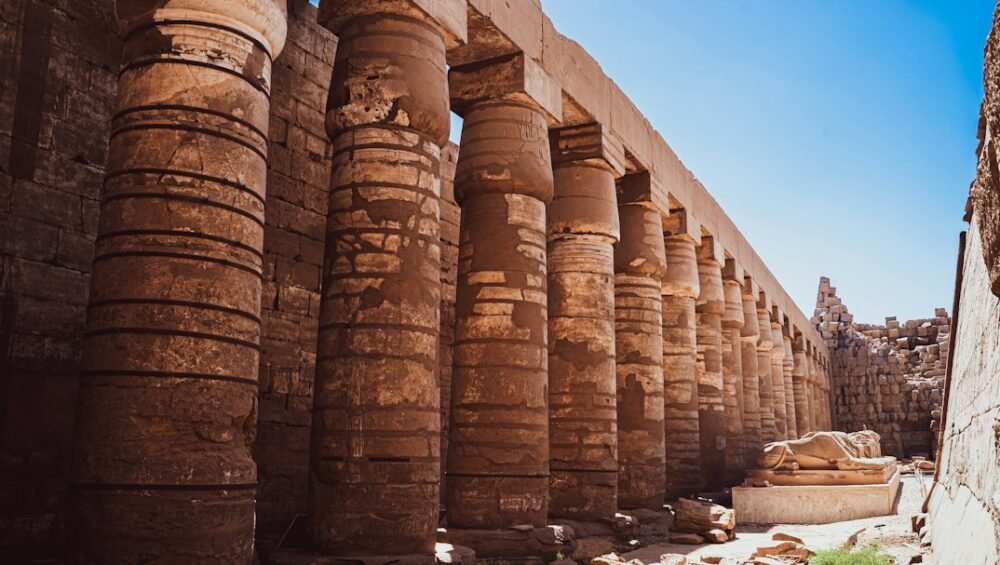
Karnak vs Luxor Temple is a useful comparison before booking a trip from Hurghada, especially if a photograph has made you fall in love with one particular temple. The names are easy to confuse: Luxor is the destination, while Luxor Temple is a specific monument. A tour described as a “Luxor excursion” does not automatically include that monument.
The practical answer for the current Hurghada Travels programmes is clear. Karnak is named in the coach day trip, the small-group minibus day trip and the two-day hotel-and-balloon tour. Luxor Temple is not listed as an included visit in those three programmes. Travellers who want it should request a separate arrangement before paying, including the entrance, transport and guide if required.
This Karnak vs Luxor Temple guide helps you choose the experience you actually want. It compares the atmosphere of the sites, published excursion prices, evening possibilities, family rules and the questions that turn a general destination name into a precise booking. The aim is a satisfying visit with enough time for your priorities.
Tour descriptions, fares and official visitor information checked on 4 November 2026. Opening hours and arrangements must be reconfirmed for the travel date.
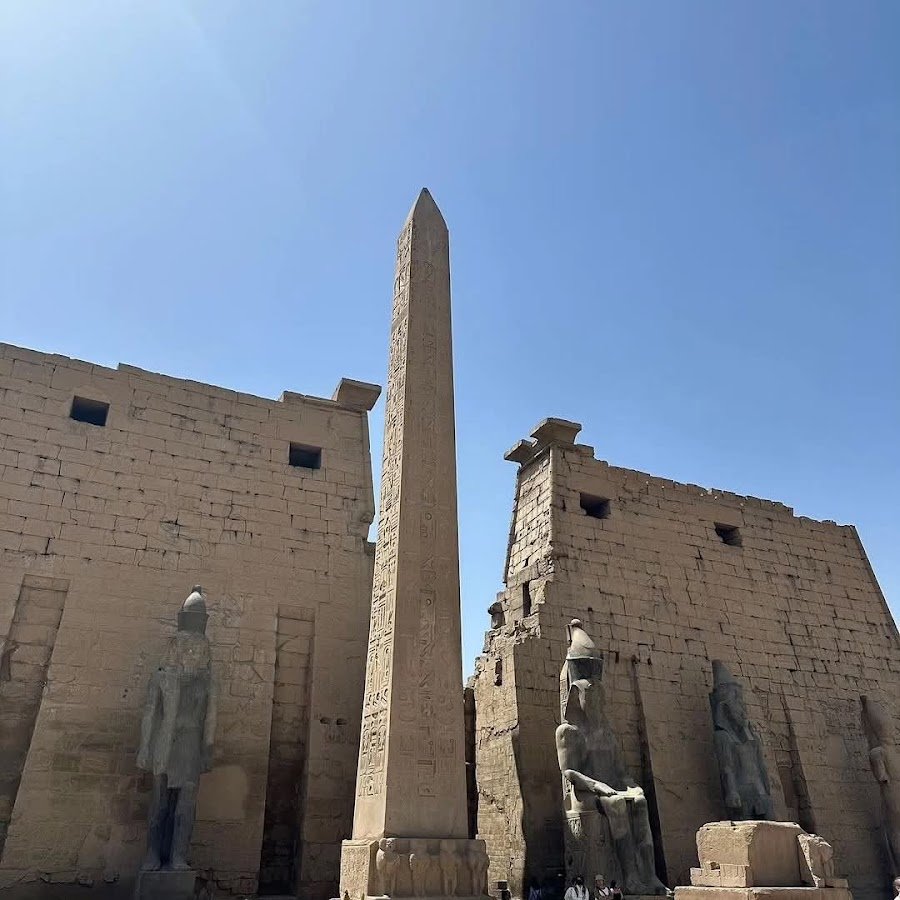
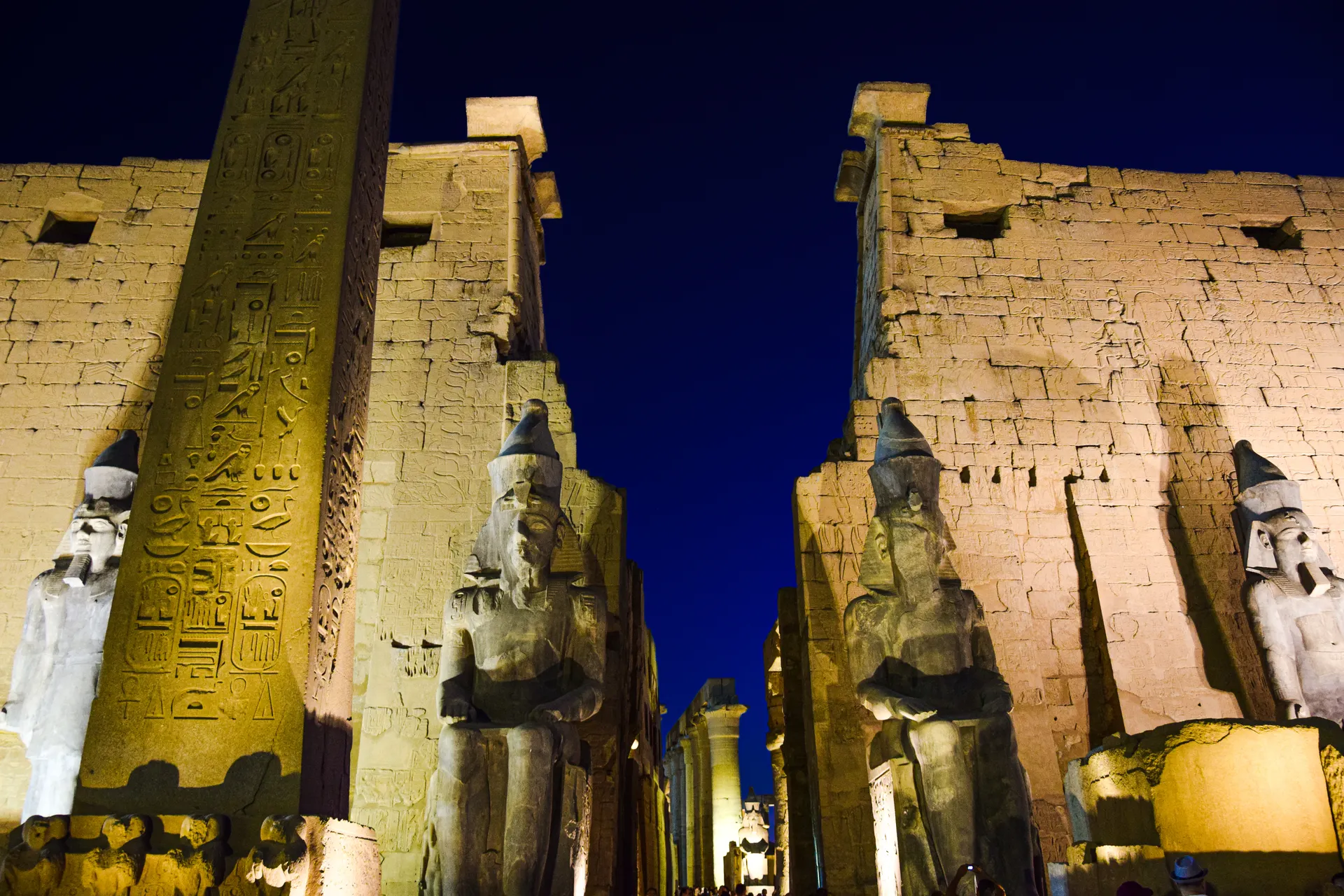
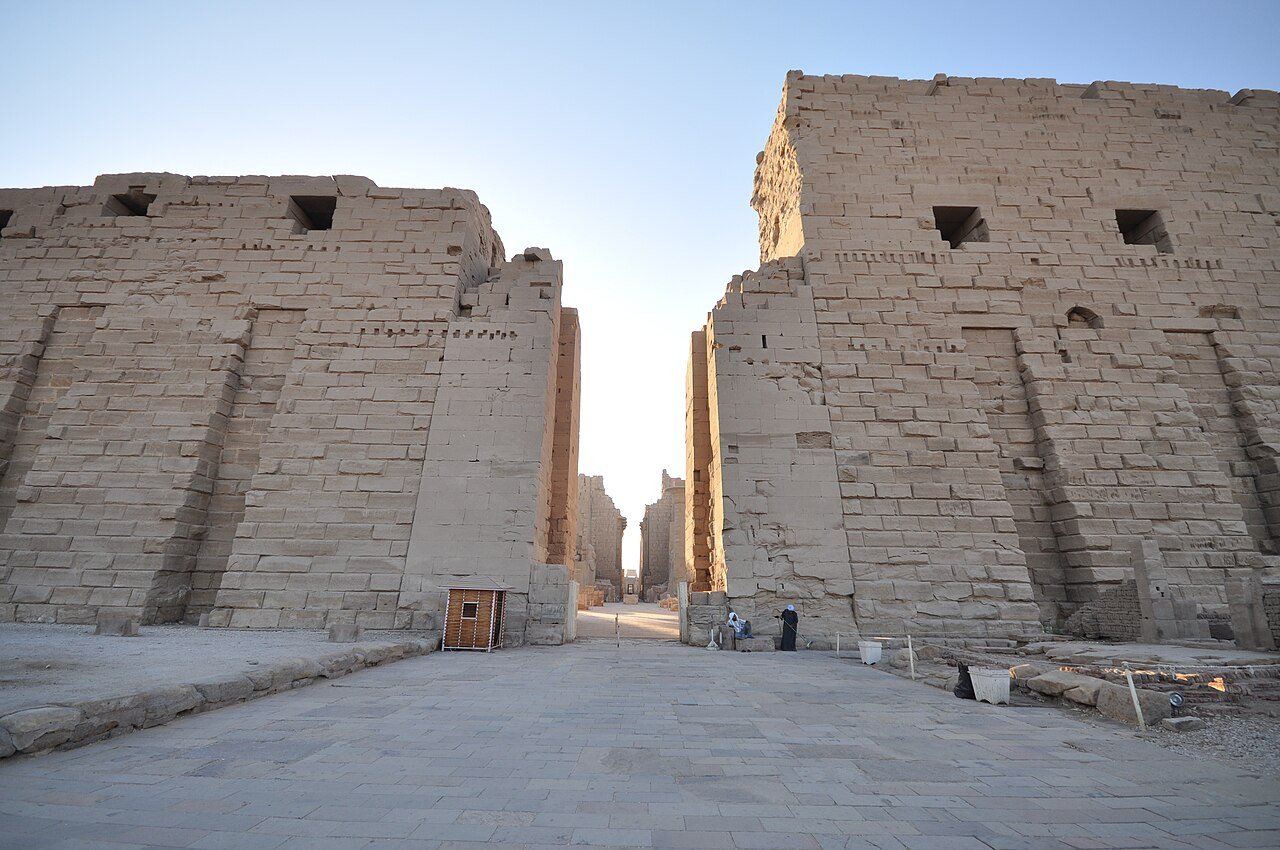
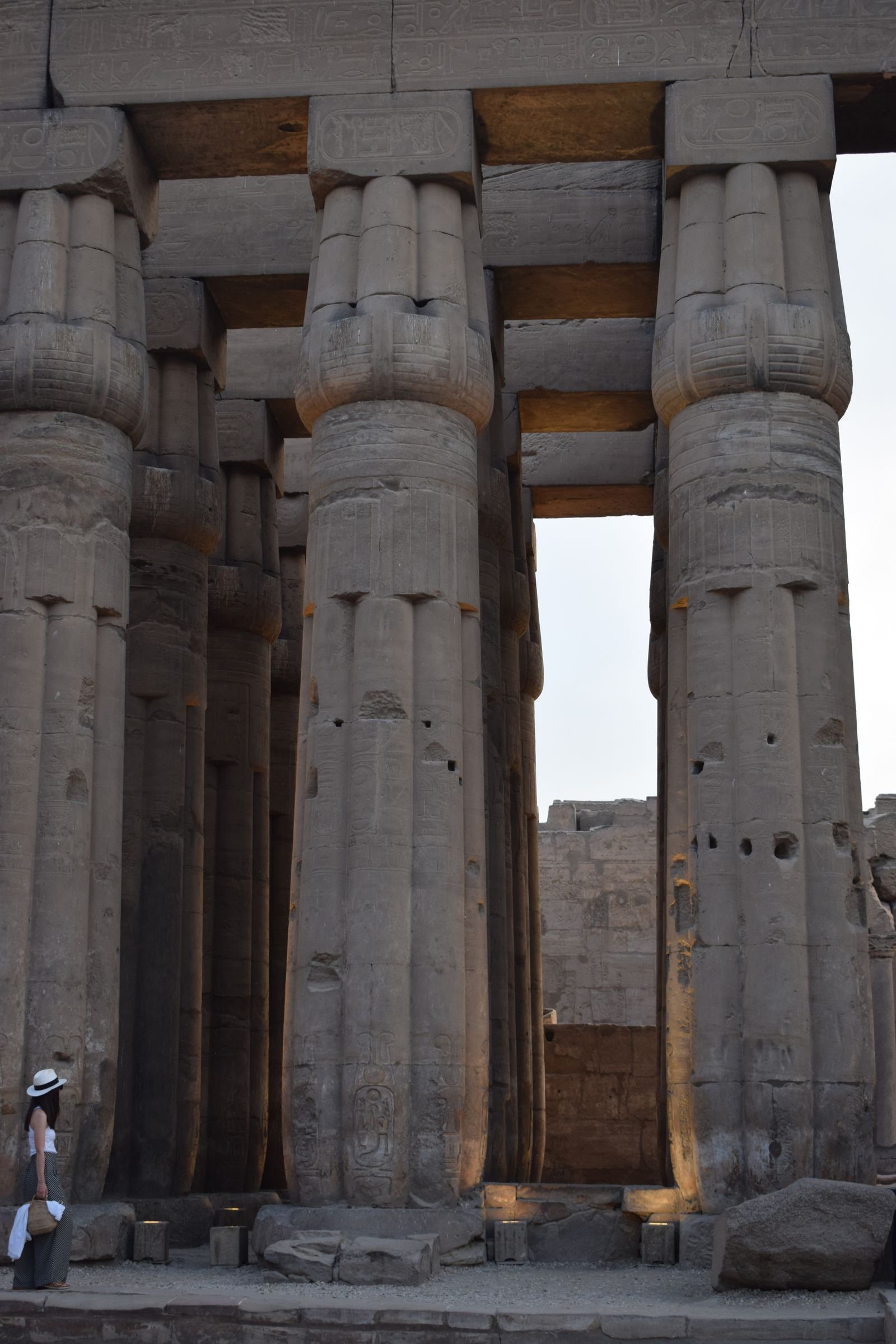
These photographs show the two temples discussed. An evening photograph does not mean that an evening visit is included. Cover credit: Photo: 2H Media / Unsplash · Unsplash License · display resized.
1. Karnak vs Luxor Temple: understand the two names first
Think of your booking as three separate decisions: the city you want to visit, the monuments you want to enter and the transport programme that can deliver those visits. Writing “Luxor” settles only the first decision. A photograph of a temple on a destination page illustrates the area; the list of included stops establishes what you are buying.
Both temples are on Luxor’s east bank. They are separate places, with separate visitor information. For the historical setting, the Ministry’s Ancient Thebes overview distinguishes the east-bank temples from the west-bank necropolis. This matters when a day trip also lists the Valley of the Kings and Hatshepsut: a varied Luxor programme can be full before a second east-bank temple is added.
For Karnak vs Luxor Temple planning, start with a simple personal priority. Do you want an introduction to several different monuments, time to study temple architecture, or an evening visit to the monument in the city? These are different travel wishes. Show the operator the name or photograph of the site that matters most, then ask whether you will enter it rather than merely drive nearby.
Keep the written reply with your booking confirmation. It should distinguish an included visit, an optional paid visit and independent free time. That small distinction prevents an attractive itinerary from being interpreted more broadly than intended.
2. Choose Karnak when its monumental spaces are your priority
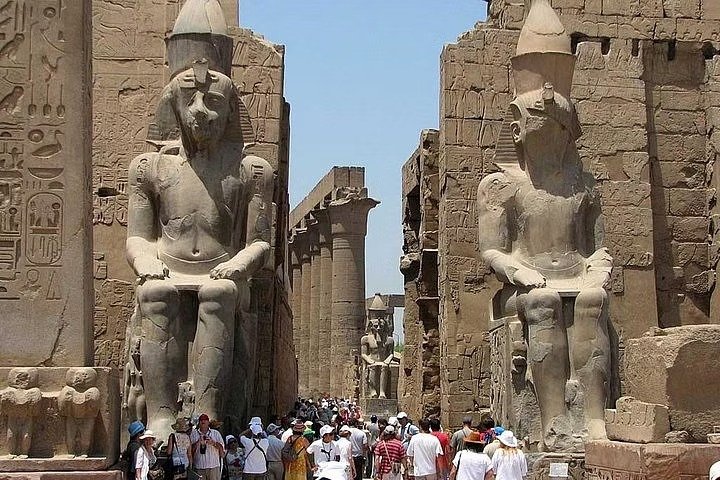
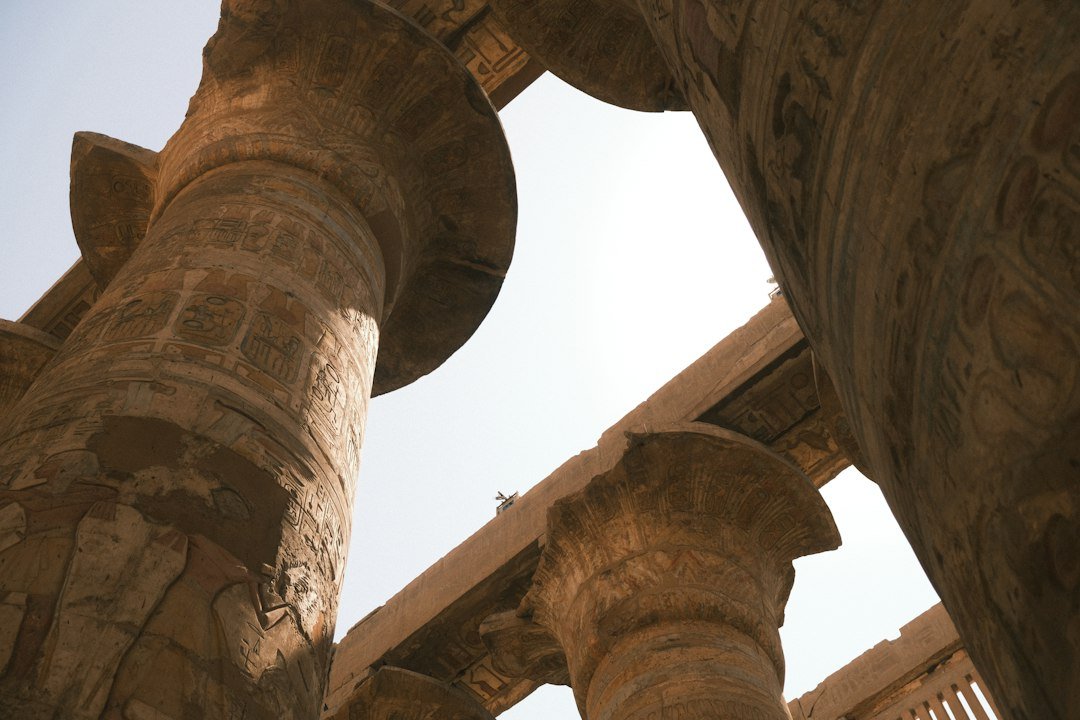
The official Karnak description presents a complex centred on Amun. Its Great Hypostyle Hall contains 134 columns. That is the familiar forest of stone columns many visitors recognise in photographs, alongside other courts, gateways and monuments within the complex.
If those spaces are the main reason for your journey, make the allocation of time your first question. An itinerary can include Karnak without allowing the same pace as a dedicated architectural visit. Ask how the guided explanation and independent looking time are organised, and whether the stop is part of a shared schedule. Do not assume that a shorter group size creates an unlimited visit.
Karnak vs Luxor Temple is also a choice about attention. At a large archaeological site, trying to photograph every feature can make the experience feel rushed. Choose two or three interests in advance: the columns, the scale of the entrance, or the details of carved stone. Tell your guide what you would especially like to understand.
Our Karnak day-trip guide provides a more focused starting point. Use this comparison to select the programme, then use that guide to prepare your visit. A clear priority is more useful than a long list of landmarks you feel obliged to tick off.
3. Choose Luxor Temple when that specific monument interests you
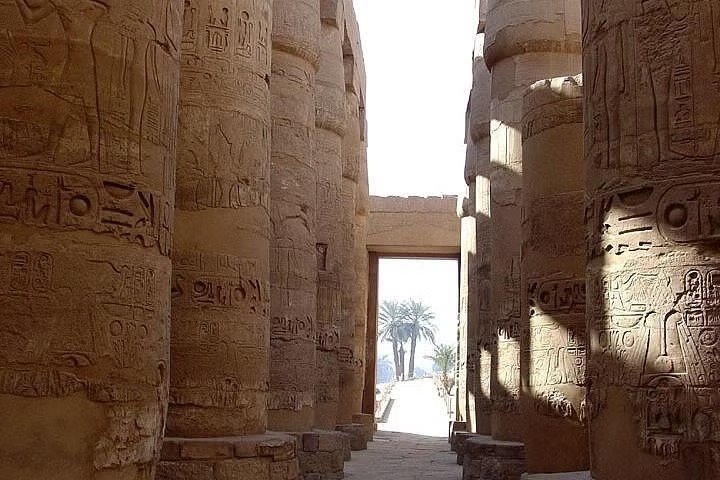
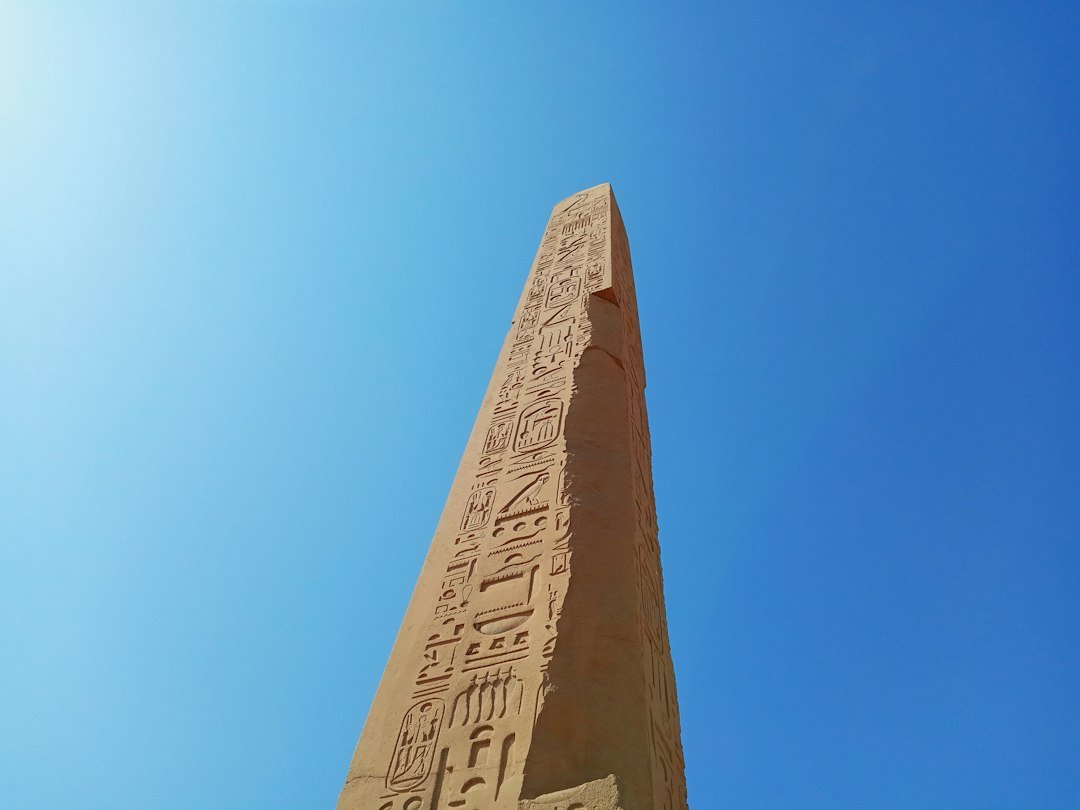
The Ministry’s Luxor Temple page describes a core built under Amenhotep III and additions by Ramesses II, including the entrance court and pylon. Its statues, remaining entrance obelisk and colonnades give it a visual identity distinct from Karnak.
Perhaps the image you saved shows royal statues beside the entrance or the temple illuminated after dark. Identify that scene before choosing your excursion. A visitor who mainly wants those particular views can be disappointed by an otherwise excellent day if the named temple was never part of the programme.
Avoid treating “smaller” as a promise of an effortless visit. Your pace, the available route, stops for explanations and the conditions on the day all influence the experience. Ask about walking surfaces and the amount of standing if these affect your comfort. Anyone with mobility needs should request practical details for their own situation rather than rely on a general description.
In a Karnak vs Luxor Temple decision, there is no need to declare one monument universally better. Luxor Temple can be the right personal priority when you want to see its specific architecture or plan a separately arranged evening visit. The next step is to choose a schedule that actually includes it, with enough time to enjoy it and return to your meeting point.

4. Karnak vs Luxor Temple in the published excursions
The shared coach day trip and shared minibus day trip name Karnak, the Valley of the Kings, Hatshepsut Temple and the Colossi of Memnon. Their published day programmes include standard admission, guiding, lunch and drinks; the Valley of the Kings component specifies three standard tombs. Special tomb tickets and optional activities are separate where applicable.
The two-day hotel-and-balloon programme also names those four archaeological stops on day one. It adds an overnight stay and a balloon activity subject to conditions, with independent free time described separately. It does not list Luxor Temple as an included guided stop.
The table below gives published prices and age bands, checked on 4 November 2026. These figures describe the standard programmes; they are not quotations for adding another temple. Hotel-area supplements, optional arrangements and any applicable payment fee must be considered in the final total.
Karnak vs Luxor Temple therefore should not be decided from the tour title alone. Read the named stops first, then compare vehicle size, overnight arrangements and price. For a ten-year-old, pay particular attention: the day tours use the adult fare from age ten, while the two-day tour uses its child fare through age ten inclusive.
Published Hurghada departures: prices and temple coverage
| Programme | Adult | Child | Younger children | Format and temples |
|---|---|---|---|---|
| One day · coach | €65 · age 10+ | €35 · ages 4–9 | €20 · ages 0–3 | Shared, up to 30. Karnak listed; Luxor Temple not listed. |
| One day · minibus | €80 · age 10+ | €40 · ages 4–9 | €35 · ages 0–3 | Shared, up to 8. Karnak listed; Luxor Temple not listed. |
| Two days · hotel and balloon | €160 · age 11+ | €125 · ages 6–10 | Under 6 not permitted | Two days, one night. Karnak listed; any Luxor Temple visit requires separate arrangements. |
Published fares checked on 4 November 2026; availability and the full total must be confirmed for your date and hotel. Optional visits, hotel-area supplements and any applicable payment fee are additional. Age 10 is an adult fare on the day trips but a child fare on the two-day tour. Scroll sideways on small screens.
5. Can you visit both temples on a day trip from Hurghada?
Requesting both is reasonable, but availability must be assessed for a specific programme and date. A shared day trip already has a route, other passengers and a return journey. Adding an extra stop can affect admission timing, meal arrangements and the rest of the group. It should be agreed before booking, not negotiated with the driver after departure.
The published day trips are approximately fifteen hours overall. That is the excursion duration, not fifteen hours inside the monuments. Hotel collections, road travel, comfort stops and the return occupy part of the day. Ask for the expected visit sequence and approximate time at the sites that matter most to you.
For Karnak vs Luxor Temple planning, the minibus option changes the shared group size to a maximum of eight. It does not automatically create a private itinerary or permission to replace a stop. Similarly, paying a higher standard fare does not itself buy an additional temple ticket.
If both temples are essential, ask for a written proposal naming both and stating which other visits remain, what is omitted, the transport arrangement and the total price. If a custom option cannot be confirmed, choose between the standard programme and a different date or format. A realistic visit to your main priority is preferable to a schedule that exists only in your expectations.
6. What the overnight programme changes—and what needs arranging
The two-day option offers an overnight stay in Luxor, which changes the rhythm of the trip. However, its published archaeological visits are still concentrated on day one. The first evening after hotel check-in is independent free time; day two includes the balloon activity, breakfast afterwards and further independent time before the return meeting.
That free time may be useful when asking about a separate Luxor Temple visit. It is not a promise that the temple’s admission, guide or local transfers are included. Before booking, establish the hotel location, the available interval, the meeting requirements and the complete cost of any additional visit you request.
Karnak vs Luxor Temple choices become easier when you keep the standard package and optional plans distinct. Have the operator specify whether a proposed evening outing is organised for you or whether you are exploring independently. Confirm how you will get back and who to contact if your plans change.
The balloon activity depends on operating conditions; exact sunrise views, route and departure timing cannot be promised. Leave room for instructions from the operator instead of filling every free minute with another appointment. Children under six are not admitted to this particular two-day product. For more planning context, see the two-day Luxor guide and confirm the details for your party.
7. Karnak vs Luxor Temple: compare the complete cost
A temple entrance ticket pays for admission under its applicable conditions. An excursion price can also cover road transport, guiding, meals and several visits. Comparing a standalone admission price with a full Hurghada departure is therefore not a useful way to decide which programme represents better value for your group.
For the standard day tours, ask the operator to confirm the included ticket bundle and the three standard tombs at the Valley of the Kings. If you want a separately ticketed tomb, make that a distinct request. A ticket for a tomb elsewhere in Luxor does not solve admission to an additional temple.
For a custom Karnak vs Luxor Temple proposal, request an itemised answer: temple admission, local transport, guiding and any schedule change. Ask whether an evening transfer is one way or return, and whether the same guide accompanies you. An attractive extra-ticket price can mean little if the transport and timing have not been settled.
You do not need to pre-purchase independent admission simply to show that you are interested. First establish how the organised visit will handle tickets, particularly when travelling with children or anyone eligible for a special category. Use the official ticket portals linked below for current visitor information. Prices, eligibility and available routes should be checked for the actual visit date rather than copied from an old travel screenshot.
8. Check last entry before planning evening photographs
The official Karnak ticket portal, checked on 4 November 2026, lists opening at 06:00 and last entry at 16:00. The Luxor Temple ticket portal lists opening at 06:00 and last entry at 19:00. These are planning references, not a guaranteed future timetable. Last entry is not the same thing as closing time.
Those different entry windows can influence an independent evening plan, but they do not change the return schedule of a shared excursion. A day tour that leaves Luxor before your preferred photography time cannot become an evening tour just because another attraction is still admitting visitors.
When considering Karnak vs Luxor Temple after dark, state what you want in concrete terms. Do you want to enter a temple while it is illuminated, photograph the exterior, or attend a separately offered event? These are different requests. Confirm the actual activity and ticket rather than assuming every mention of “night” means the same experience.
Keep a sensible margin before last entry. Allow for reaching the correct gate, arranging tickets and finding your meeting point afterwards. If you have an overnight package, ask how that outing fits the next morning’s instructions. Evening photographs in this article illustrate the site; they do not add an evening visit to any advertised programme.
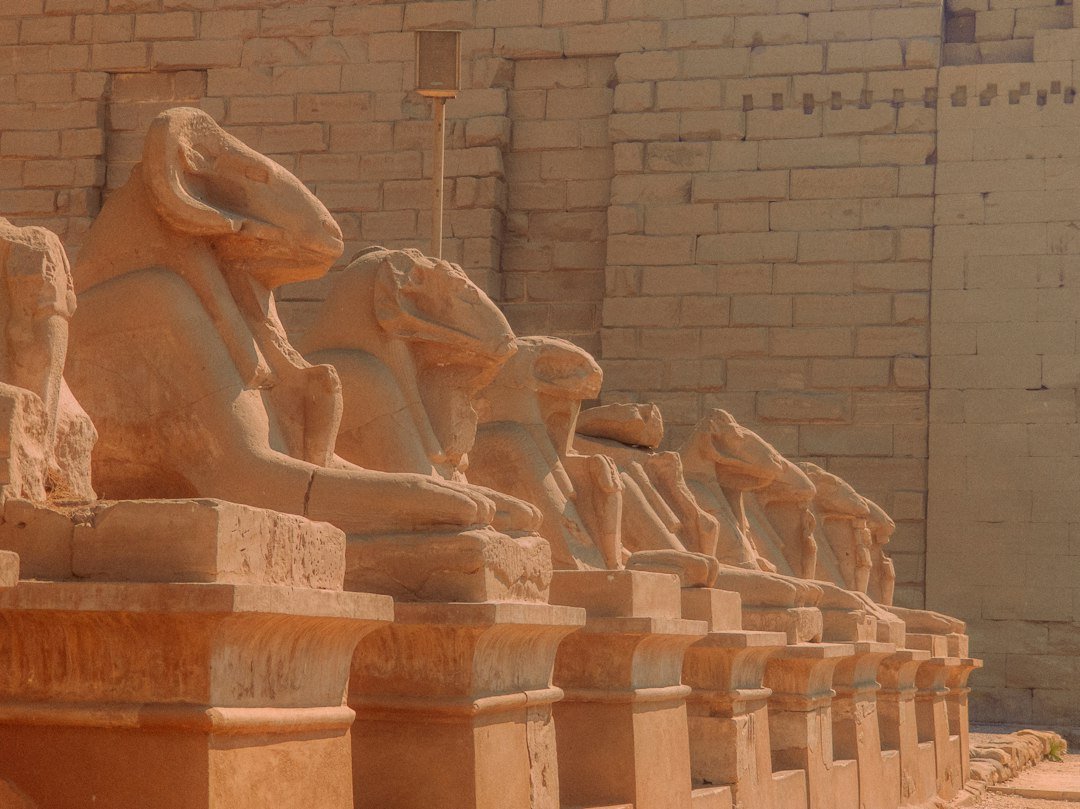
9. The Avenue of Sphinxes connects the sites, not the bookings
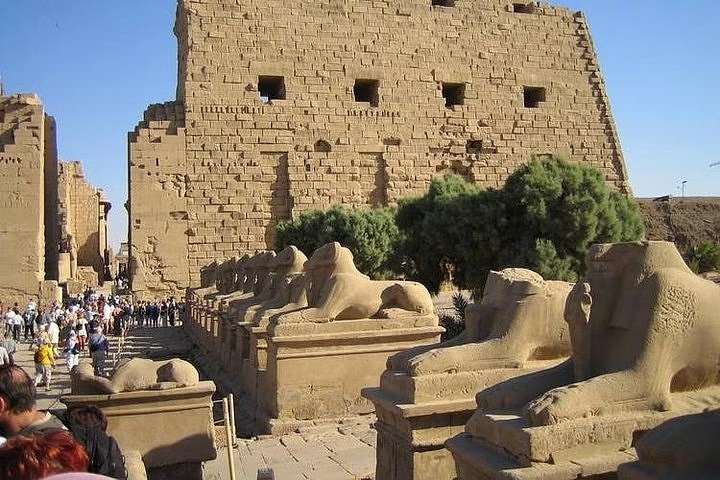
The processional avenue linking the temples is approximately 2.7 kilometres long, as described in the Ministry’s Ancient Thebes information. That historic connection helps explain why visitors often discuss the two temples together. It does not mean that one tour booking automatically covers every part of the route or both monument admissions.
Before planning a walk, ask about the current accessible sections, entry arrangements, permitted exits and the ticket required for your intended route. Confirm where the guide or vehicle will meet you. Reaching one end of a historic avenue is not useful if your transport is waiting at a different gate with no agreed collection.
Treat the walk as an activity with its own time and effort. The distance on a map does not account for photographs, pauses, ticket checks or the needs of everyone in your party. You may prefer to reserve your energy for the interiors of the monuments and arrange transport between visits if that can be confirmed.
For Karnak vs Luxor Temple planning with children or mixed walking abilities, discuss the route openly. Do not make a long connection compulsory simply because it appears to join two must-see places. A clear start point, an agreed finish point and a realistic pace can make the difference between an enjoyable connection and an unnecessarily tiring addition.
10. Plan photography, walking and family comfort together
Start with the images that matter to you, then build the visit around the people taking them. One traveller may want careful architectural photographs; another may prefer a short explanation and time to sit. Agree on priorities before departure, especially in a family group where patience and walking pace differ.
For photography, ask the guide where it is appropriate to pause without blocking other visitors. Follow local signs and staff instructions about equipment and restricted areas. A phone photograph, a tripod setup and a professional shoot should not be assumed to have identical requirements. If specialised equipment is important, confirm permission before relying on it.
Comfortable footwear, drinking water and suitable sun protection are practical planning items. Ask where breaks and refreshments fit the route rather than expecting facilities at every point. Tell the organiser about wheelchair use, difficulty with steps or limited standing tolerance; request route-specific information before deciding whether the programme works for you.
The Karnak vs Luxor Temple choice can also depend on the whole day’s demands. A child may enjoy a temple but struggle with a long transfer and several additional monuments. Our family Luxor guide helps frame those questions. Age-based fares explain the price; they do not measure an individual child’s comfort with the schedule.
11. Confirm guide language, hotel collection and payment
An excellent site choice still needs clear travel arrangements. Provide the exact hotel name and resort area, not just “Hurghada”. The published day tours include Hurghada hotel transfers; collection outside that area may require a supplement. Ask for the actual amount for your hotel instead of applying a charge quoted for a different excursion.
Guide language should be confirmed for the travel date. A translated article or booking page does not by itself guarantee a guide speaking that language. If a separate Luxor Temple outing is requested, ask whether it has its own guide and whether that guide uses the same language as the main tour.
For the coach and minibus day trips, the published payment information includes online Visa/Mastercard and cash euros at pickup before departure. Online card totals are charged in Egyptian pounds, with the final amount shown. The two-day page confirms Visa payment; request its available payment methods and terms directly rather than transferring the day-tour arrangements to it.
Read the booking and cancellation conditions alongside your confirmation. The published standard cancellation threshold is at least twenty-four hours before the confirmed start for a full refund; later cancellation and non-attendance are subject to the stated conditions. Any separately arranged visit should have its own applicable terms clearly included in the answer.

12. Karnak vs Luxor Temple: write a precise booking request
By this stage, the Karnak vs Luxor Temple question should have become a concrete choice. You may want the standard multi-site day trip with Karnak, a smaller shared group, or a two-day stay with a request for an additional temple visit. Each can be sensible when its actual inclusions match your priorities.
Send one complete message rather than several partial requests. Include your date, full hotel name, adults, children’s exact ages, preferred transport and guide language. Then name the temples you want to enter. If both are essential, say that explicitly and request confirmation before paying.
Ask for the visits, included admission, any optional extra, meal arrangements, collection details, expected return and full party total in the same reply. For an overnight booking, add the room arrangement, balloon eligibility and the organisation of any independent outing. Retain the reply so that everyone travelling has the same understanding.
Finally, check the confirmation against the photograph or monument that first inspired the trip. If that site is not named, clarify it. This final check is the most practical use of a Karnak vs Luxor Temple comparison: you arrive knowing which experiences are included, which have been arranged separately and where you have free time to choose your own pace.
30 questions about Karnak vs Luxor Temple
1. Are Karnak and Luxor Temple the same place?
No. They are separate temples in Luxor. A booking can include one without the other. Ask for both monument names in the confirmed itinerary if you want to enter both, and distinguish an organised visit from independent free time.
2. Does “Luxor day trip” automatically mean Luxor Temple?
No. Luxor is also the city and destination name. The current Hurghada Travels coach and minibus day trips list Karnak and several other monuments, but do not list Luxor Temple as an included stop. The named itinerary is the relevant information.
3. Which temple has the famous hall of 134 columns?
That is Karnak’s Great Hypostyle Hall. If the hall is your main interest, ask how much time the programme allows at Karnak and how guided explanation and independent viewing are organised. Inclusion alone does not specify the pace of the visit.
4. Karnak vs Luxor Temple: which should I choose first?
Choose according to the monument you most want to see and the programme you can confirm. Karnak fits the three published tours discussed here. A specific desire to enter Luxor Temple requires a separate arrangement because it is not listed as included in those programmes.
5. Is Karnak included in the standard coach trip?
Yes, it is named in the published coach itinerary, together with the Valley of the Kings, Hatshepsut Temple and the Colossi of Memnon. Confirm availability, guide language, hotel collection and the total for your date before completing the booking.
6. Is Luxor Temple included in the minibus day trip?
It is not listed as an included visit. The minibus programme names Karnak and the other standard day-trip stops. A maximum of eight shared passengers does not automatically permit extra visits or convert the vehicle into a private tour.
7. Does the two-day balloon tour include Luxor Temple?
The published programme does not list it as an included guided stop. It names Karnak and other monuments on day one, then distinguishes independent free time. Ask separately about Luxor Temple admission, guiding and local transport if you want that visit.
8. Can I request both temples in one day?
Yes, you can request it, but the operator must confirm a suitable itinerary and price. Do not assume the standard shared route can absorb an extra stop. The confirmation should state both temples, the other retained visits and any schedule changes.
9. Can I replace Karnak with Luxor Temple on a shared tour?
Do not assume a substitution is available. Shared tours serve the whole group and follow their confirmed programme. Discuss a different itinerary before booking, and accept a replacement only when the operator has confirmed its timing, admission and cost in writing.
10. Does choosing the minibus make the trip private?
No. The published minibus tour is shared, with a maximum of eight participants. Private transport and a customised itinerary are separate requests. Confirm both explicitly if you need control over the order of visits or time at a particular temple.
11. What are the published adult prices?
The coach day trip is €65 and the minibus day trip €80, with adult fares from age ten. The two-day tour is €160 from age eleven. These are the published standard fares checked on 4 November 2026, before applicable extras.
12. How is a ten-year-old charged?
A ten-year-old uses the adult fare on the two day-trip products: €65 by coach or €80 by minibus. On the two-day hotel-and-balloon product, age ten remains within the child band of six to ten, priced at €125.
13. Can children under six take the overnight balloon package?
No. Children under six, including infants, are not permitted on this particular published package. Do not assume that skipping the balloon automatically creates an alternative booking. Ask about a separately available suitable programme if your family includes a younger child.
14. What are the day-trip child and infant fares?
For ages four to nine, the published price is €35 by coach and €40 by minibus. For ages zero to three, it is €20 by coach and €35 by minibus. Confirm ages and any necessary child arrangements before booking.
15. Are temple tickets included in the day trips?
The standard day programmes include admission for their named visits. Luxor Temple is not named as included. Optional visits and specially ticketed tombs require separate checking. Ask for the exact ticket bundle rather than interpreting “entrance included” as access to every monument in Luxor.
16. Does one admission automatically cover both temples?
Do not assume so. Check the current official ticket information and the exact conditions of any ticket or organised package you purchase. A physical connection between two historic sites does not itself establish a combined admission entitlement for your booking.
17. Can I walk along the Avenue of Sphinxes between visits?
Plan this only after checking current access, the relevant ticket, the open route and your meeting point. Allow for the walking effort as well as time for photographs. The historic connection is approximately 2.7 kilometres, so it should be treated as a planned activity.
18. Is a temple evening visit included in the day tours?
No evening Luxor Temple visit is listed in the standard day programmes discussed here. A later admission window does not extend the shared vehicle’s schedule. Request an evening arrangement separately and confirm how you will return to your hotel or meeting point.
19. What is the difference between last entry and closing?
Last entry is the latest time admission is permitted under the published schedule; closing concerns the end of visitor access. They are not interchangeable. Check both for your date and leave enough time to reach the correct gate and enjoy the visit.
20. Can I use overnight free time for Luxor Temple?
You can ask whether it fits the confirmed schedule. Free time does not include automatic admission, a guide or transfers to the temple. Establish the practical arrangements and costs, and be back for the agreed hotel or return-journey meeting.
21. Are the archaeological visits split across both days?
The current two-day page places its four named archaeological visits on day one. Day two contains the balloon activity, breakfast and independent time before the return. Do not assume that an additional guided temple visit is scheduled on the second day.
22. Is the balloon guaranteed at exact sunrise?
No. The activity depends on operating conditions and instructions. Exact flight timing, route and sunrise views cannot be guaranteed. Keep other plans flexible and ask how any operational change affects the package and the rest of the day.
23. Is either temple automatically suitable for every mobility need?
No general description can establish that. Explain your needs, including steps, uneven surfaces, walking distance or standing tolerance, and request current route details. Confirm vehicle access and assistance as well as conditions inside the monument before deciding whether a programme is suitable.
24. Can I bring a tripod or professional camera equipment?
Check the current site rules and any permission requirements before relying on specialised equipment. Follow posted notices and staff instructions during the visit. An ordinary holiday photograph and a professional shoot should not be assumed to have the same conditions.
25. Are lunch and drinks included on the day tours?
The published coach and minibus programmes list lunch and drinks. Confirm any dietary requirements in advance. The two-day package has its own meal schedule, including day-one lunch and breakfast after the balloon; ask about other meals rather than assuming they are included.
26. Is pickup included from every Red Sea hotel?
The day tours list Hurghada hotel transfers. Hotels outside the included area may involve a supplement or specific collection arrangement. Send the exact hotel and resort name, and request the applicable total instead of using a supplement quoted for another tour.
27. Can I pay by Visa or in cash?
The day-trip pages list online Visa/Mastercard and cash euros at pickup before departure. The two-day page confirms Visa; check its other methods directly. For online card payment, review the final displayed currency, amount and any applicable fee before completing payment.
28. Is an English, German or French guide guaranteed?
Confirm your preferred language for your travel date and programme. A translated page is not a guide-language guarantee. If a separate temple visit is arranged, ask whether it includes guiding and whether the requested language applies to that additional visit too.
29. What should I check about cancellation?
Read the published terms and the confirmation for your booking, including any separately arranged extra. The standard full-refund threshold is at least twenty-four hours before the confirmed start. Ask how date changes, late cancellation and operator changes apply to the exact services purchased.
30. What should my Karnak vs Luxor Temple booking message include?
Send the date, exact hotel, party size, children’s ages, preferred transport and guide language. Name Karnak, Luxor Temple or both explicitly. Request the visits, tickets, optional charges, transfers, meals, expected return, total price and cancellation terms in one written confirmation.
Official information and booking conditions
- Ministry of Tourism and Antiquities: Karnak
- Ministry of Tourism and Antiquities: Luxor Temple
- Official Karnak ticket portal: opening and last entry
- Official Luxor Temple ticket portal: opening and last entry
- Ministry: Ancient Thebes and the processional avenue
- Hurghada Travels: booking and cancellation conditions