


The best time to snorkel in Hurghada depends on two decisions: when the weather on land suits your holiday, and whether the sea conditions suit the particular outing. Spring or autumn can be a useful starting point if you want to avoid the hotter summer air. That is a planning preference, not a promise of calm water, warm-enough swimming or clear views at a specific reef.
Plan snorkeling without mixing search intent
This page answers one question: Best Time to Snorkel in Hurghada. For the broader holiday decision, see Best Time to Visit Hurghada. For monthly climate averages, use Hurghada Weather by Month 2027. For matching all excursions to the season, use Hurghada Tours by Season.
Use the monthly air-temperature reference below to compare dates, then check the current forecast, actual boat program and your group’s needs before booking. We do not assign months a visibility score or guarantee that a season is suitable for every beginner. For the full choice of programs, start with our Hurghada snorkeling guide.
Best time to snorkel in Hurghada: a 12-month planning reference
The Met Office’s Hurghada page publishes the following monthly average daily maximum air temperatures. They describe weather on land, not sea temperature, underwater visibility or the conditions during your swim. These rounded figures are climate context rather than a forecast for a holiday date.
| Month | Air temperature |
|---|---|
| January | 19°C |
| February | 20°C |
| March | 22°C |
| April | 25°C |
| May | 28°C |
| June | 30°C |
| July | 31°C |
| August | 33°C |
| September | 31°C |
| October | 28°C |
| November | 25°C |
| December | 22°C |
Source: Met Office — Hurghada, Monthly averages, reviewed on 27 September 2026. The displayed table does not identify its averaging period, so these values should not be presented as a new climate-normal dataset. Open the forecast section separately for near-term weather and check its update time.
We have not verified a comparable monthly sea-temperature series for this guide. Air and water temperature are different measurements; do not use the table to select a wetsuit thickness or decide how long anyone should remain in the sea. Ask the activity team about the current water conditions and appropriate equipment.
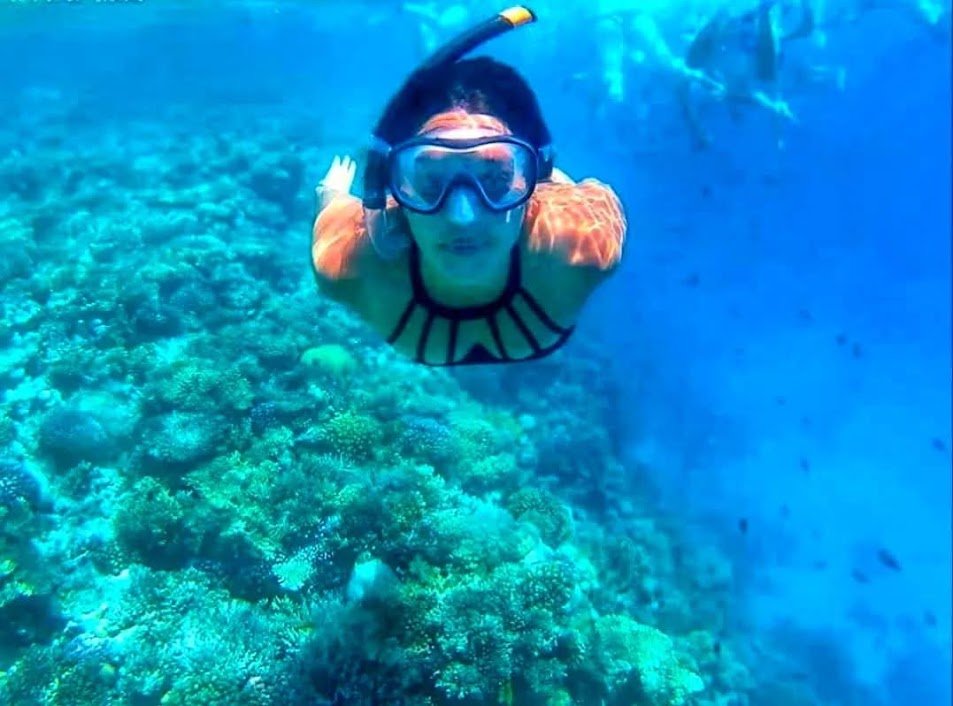
Choose the season around the people traveling
January and February: plan the time between water sessions
If your holiday falls in these months, discuss the available dry seating, wind protection and a suitable dry layer for after swimming. A sunny hotel terrace does not tell you how the return boat ride will feel. Ask whether appropriate thermal protection can be supplied or needs to be arranged separately.
Do not reject or approve a winter outing solely from the calendar. The relevant decision is the day’s conditions, the chosen site and the participants. A person who becomes uncomfortable can skip a stop; paying for several planned snorkeling sessions is not a requirement to enter at each one.
March and April: compare your holiday schedule with the actual program
For a spring visit, decide whether you want a full island day, a shorter boat program or underwater viewing without swimming. Check the expected hotel pickup and return rather than fitting the trip between commitments using only its advertised activity duration.
If your dates overlap a holiday or school break, ask about actual availability and expected passenger numbers. We do not hold verified month-by-month booking data and cannot promise that a particular week will be quiet. A label such as “shoulder season” does not establish the size of your group.
May and June: include deck and island time in the decision
When comparing the best time to snorkel in Hurghada, consider the entire outing, not just the water sessions. Ask about shaded seating, drinking water and the island portion of the program. Someone who enjoys being in the sea may still prefer less time on an exposed beach or deck.
Confirm the schedule with the operator. A morning pickup does not mean every water activity happens before midday. Shared island programs include transfers, reef stops, food and beach time; their order can depend on operations and conditions.
July and August: make heat comfort part of the booking
Discuss shade and the length of the outing before choosing a full sea day. Pack appropriate sun protection and personal essentials, and check which drinks are included. If a companion prefers to remain aboard, confirm the available seating and supervision arrangements rather than assuming the snorkeling group can look after them remotely.
Hot air is not proof of calm conditions or a reason to extend a water session. Tell the team if anyone becomes uncomfortable and follow its instructions. The captain’s decision about a route or water activity still applies during a summer holiday.
September and October: compare dates without a visibility promise
These months are often considered when travelers want an autumn sea holiday. Use your own preference for time outdoors and the published air-temperature reference as planning context. Ask about current conditions nearer departure rather than relying on photographs taken during another year.
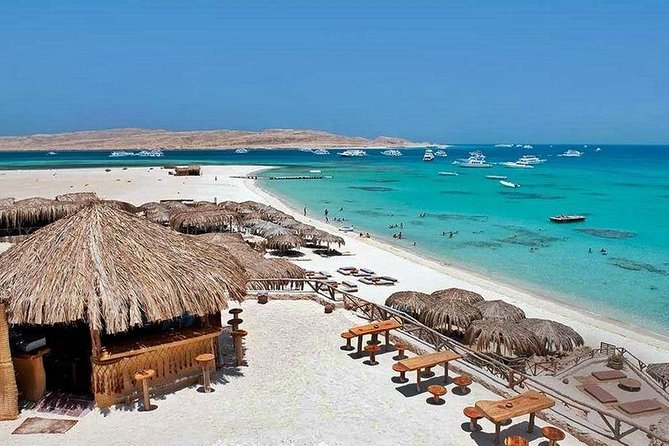
If reef scenery is the priority, compare the planned locations and support. If island relaxation is the priority, compare the beach visit and its facilities. Those are different reasons for choosing a day out; an attractive island photograph is not a measurement of conditions at an offshore reef.
November and December: keep a usable alternative date
When possible, place the sea excursion early enough in your stay to discuss another available date if the operator cancels. Keep that alternative clear of fixed flights or other bookings. Flexibility helps only when the change is available and confirmed; it is not an automatic reservation on a second departure.
Ask about the cancellation terms before paying, especially when arranging a holiday-week outing. A personal preference for a warmer day is different from a company cancellation for unsafe weather, and the applicable refund or change terms can differ.
Wind, visibility and the final daily decision
A general weather app can help you discuss a date, but its air-temperature, wind or visibility reading is not clearance for an offshore snorkeling session. The visibility on a land-weather forecast is not underwater visibility. Check that you are reading the correct location, time and measurement before comparing it with a reef photograph.
Ask the operator how the current marine conditions affect the planned route and whether a reef stop, island visit or optional activity may change. Do not request a fixed wind-speed rule from a general article: boat, route, shelter, sea state and the participants all matter to the responsible team’s decision.
The best time to snorkel in Hurghada for your booking is therefore a suitable confirmed outing, not simply the month with the highest rating on a chart. We do not publish unsupported 20–40 metre visibility promises or monthly comfort scores. If a particular stop is essential to your choice, ask what happens if it cannot be used.
For general preparation and site-planning questions, see the British Sub-Aqua Club’s snorkeling guidance. Your excursion briefing and the responsible team’s instructions remain necessary on the day.
Children, first-time snorkelers and non-swimmers
No month makes every outing appropriate for a child or beginner. Give the booking team the children’s ages, swimming experience and equipment needs. Ask about the actual water-entry method and supervision. A free child fare establishes a price category, not permission to participate in every activity.
For a first attempt, use the beginner planning guide to prepare questions about instruction, equipment and support. For someone who cannot swim, compare the options without swimming. Do not choose an offshore session merely because another visitor described April or October as beginner-friendly.
Check the equipment checklist before relying on a rental item. Confirm sizes and whether thermal protection is included, extra or unavailable. A life jacket does not determine how long a person should stay in the water or replace an assessment of suitability.
Match the date to a confirmed trip length
A full island and reef day
Orange Bay and Paradise Island list approximately eight-hour programs with two reef stops and a separate island visit, lunch, drinks and Hurghada hotel transfers. Compare the whole outdoor day with your group’s preferences.
A shorter private program
The private speedboat lists approximately four hours, a captain, equipment, life jackets, fruit, water, soft drinks and Hurghada hotel transfers. It costs €150 for the whole boat for one to six guests, including children within that capacity. Optional Orange Bay is €10 per visiting guest. A private booking does not guarantee a requested reef or exempt the outing from weather decisions.
Viewing without a required swim
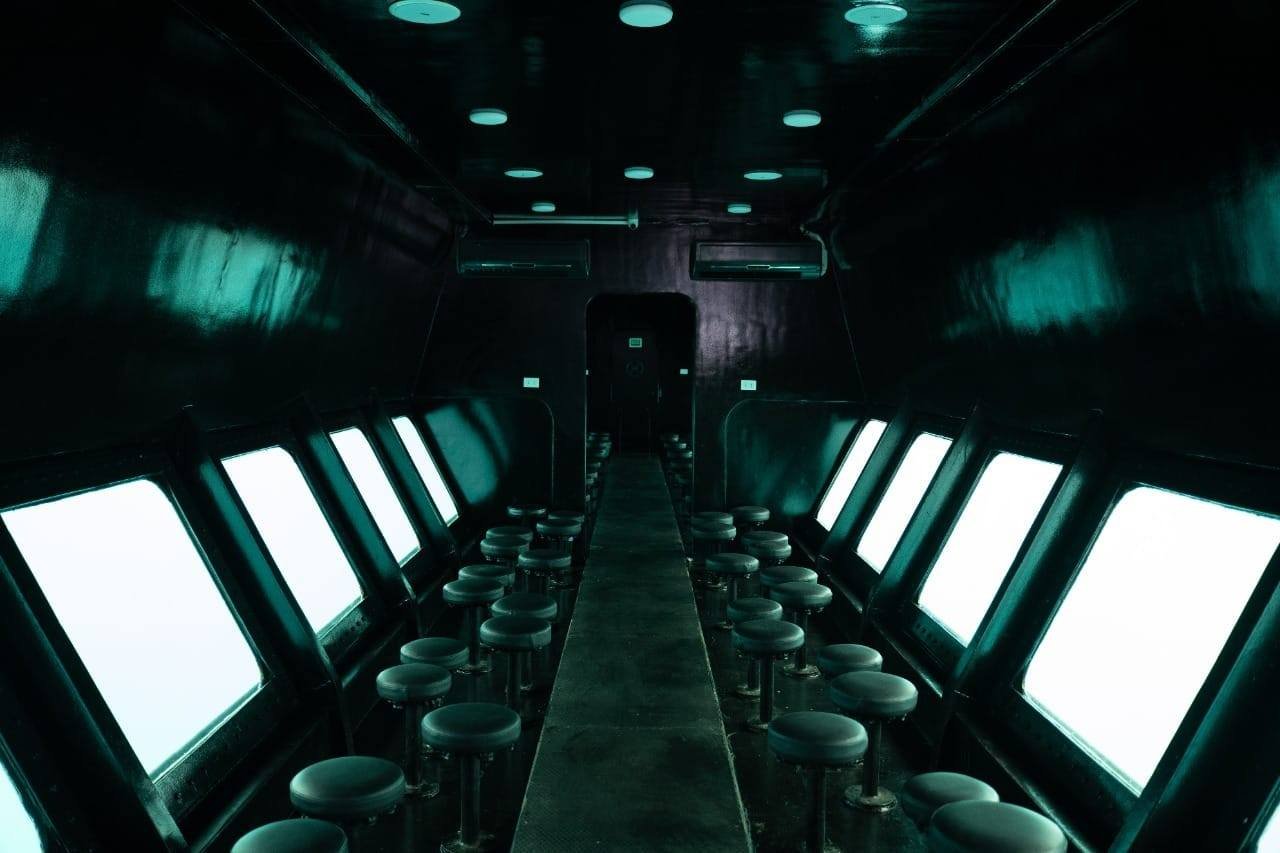
The Panorama semi-submarine lists approximately three hours, underwater cabin viewing and an optional snorkeling stop. Confirm boarding and cabin stairs. It remains a sea outing, so it is not a guaranteed substitute when weather stops boat operations.
Program details were checked on 3 October 2026. Confirm the current inclusions and pickup-to-return time for your hotel before payment. For a hotel beach alternative, first establish permitted access and local conditions using the shore snorkeling guide; a boat cancellation is not an instruction to enter from the beach instead.
Booking dates, changes and weather cancellations
Send your preferred date, one possible alternative, hotel, group size, children’s ages and the activities that matter most. Explain any difficulty with steps, ladders or extended time outdoors. Ask for a written program and total cost rather than requesting “the best month” without describing the group.
Under the current Hurghada Travels general terms, cancellation received at least 24 hours before the start qualifies for a full refund; late cancellation or no-show is non-refundable. A date change requested at least 24 hours ahead has no change fee, subject to availability, any price difference and confirmation. If the company cancels for unsafe weather, the options are an alternative date or a full refund. Check any product-specific exception disclosed before payment; times are local Egypt time.
Keep the confirmation and ask when the operator will update you if conditions are uncertain. Do not assume that seeing wind in an app means your trip has been cancelled, or that a sunny icon guarantees all stops. Before choosing a replacement, check its actual availability and requirements.
Want help choosing a snorkeling date and program? Ask Hurghada Travels on WhatsApp with your date, hotel, group size and children’s ages.
Questions about the best time to snorkel in Hurghada
What is the best time to snorkel in Hurghada?
Start by choosing weather on land that suits your holiday, then confirm the sea conditions and program near departure. Spring or autumn can be a useful planning preference for avoiding hotter summer air, but no month guarantees calm water or suitable participation.
Does the monthly table show sea temperature?
No. It shows average daily maximum air temperature from the Met Office’s Hurghada page. Do not use it as a water-temperature forecast or a recommendation for wetsuit thickness.
Can I plan a snorkeling excursion in winter?
Ask about operation on your date, current conditions and appropriate equipment. Discuss dry seating and what to bring after swimming. A winter booking is assessed by the actual outing and people joining, not by a blanket seasonal approval.
Which month guarantees the clearest underwater views?
None. This guide does not have verified month-by-month reef visibility data. A weather app’s visibility figure describes conditions above water and should not be interpreted as underwater viewing distance.
Are mornings always calmer than afternoons?
Do not assume so. Confirm the actual departure schedule and current conditions with the operator. A morning hotel pickup also does not mean every reef stop happens in the morning.
Is summer automatically less windy?
No such promise should be used to select a snorkeling session. Check the near-term forecast and the responsible team’s decision for the route rather than treating the season as a guarantee of calm water.
Which season is best for children?
Start with the child’s needs, experience, equipment fit, supervision and the whole trip length. A month cannot establish suitability. Give ages and requirements before booking, and separate the fare category from activity participation.
Does the €150 private boat price depend on having six guests?
No. The listed base price is €150 for the whole boat for one to six guests, including children within the maximum capacity. Confirm optional island entry and any transfer outside Hurghada separately.
Can I move the trip if I dislike the forecast?
Ask promptly and use the booking terms. A requested date change is subject to availability and confirmation; personal preference is different from an operator cancellation for unsafe conditions. Do not assume a second date is held automatically.
Is the semi-submarine guaranteed to operate on a windy day?
No. It is still a vessel at sea. It offers an option to view underwater without swimming, but its operation and boarding arrangements must be confirmed for the day.
Does a quieter month guarantee a small group?
No. Ask about the specific departure and expected passenger numbers. This guide does not have verified monthly occupancy data, and a seasonal label is not a passenger limit.
What should I confirm the day before the excursion?
Confirm pickup, contact details, the agreed program, any operational update and personal equipment needs. Keep the booking confirmation available and follow the operator’s instructions if conditions change.
Ask about an excursion for your travel dates, including the hotel, group size and the activities you want to enjoy.
Best Time to Snorkel in Hurghada: winter
The Best Time to Snorkel in Hurghada in winter depends mainly on your cold tolerance and the wind. December, January and February can still offer sunny Red Sea days, but the water is cooler and the boat ride can feel chilly after you leave the sea.
Winter snorkeling is often more comfortable for guests who use suitable thermal protection and keep a dry layer ready. If your main priority is long, warm-water snorkeling sessions, spring through autumn will usually feel easier.
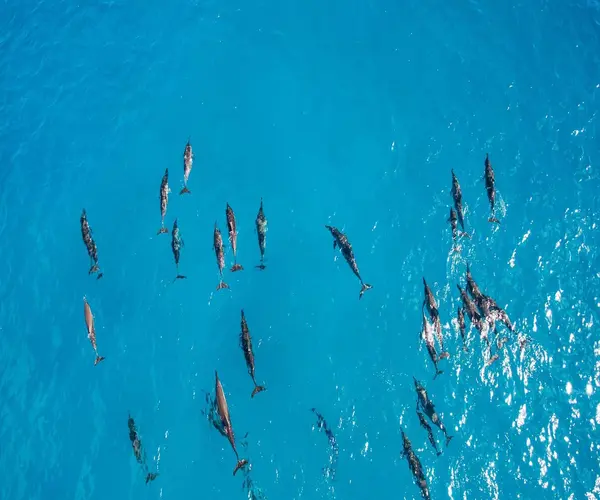
Best Time to Snorkel in Hurghada: spring
Spring is one of the easiest periods for beginners. March can still be breezy, April becomes more comfortable, and May brings noticeably warmer air and water. For many travelers, the Best Time to Snorkel in Hurghada is April or May because the heat is manageable and the sea is becoming warmer.
Spring also works well if you want snorkeling plus Luxor, Cairo or safari in the same holiday.
Best Time to Snorkel in Hurghada: summer
June, July and August bring very warm sea temperatures. The Best Time to Snorkel in Hurghada for guests who dislike cool water is usually in this warm-season window.
The trade-off is stronger sun and heat. Use high-SPF sunscreen, a hat and shade on the boat, and drink water regularly. Sea breeze can make the air feel easier while UV remains very strong.
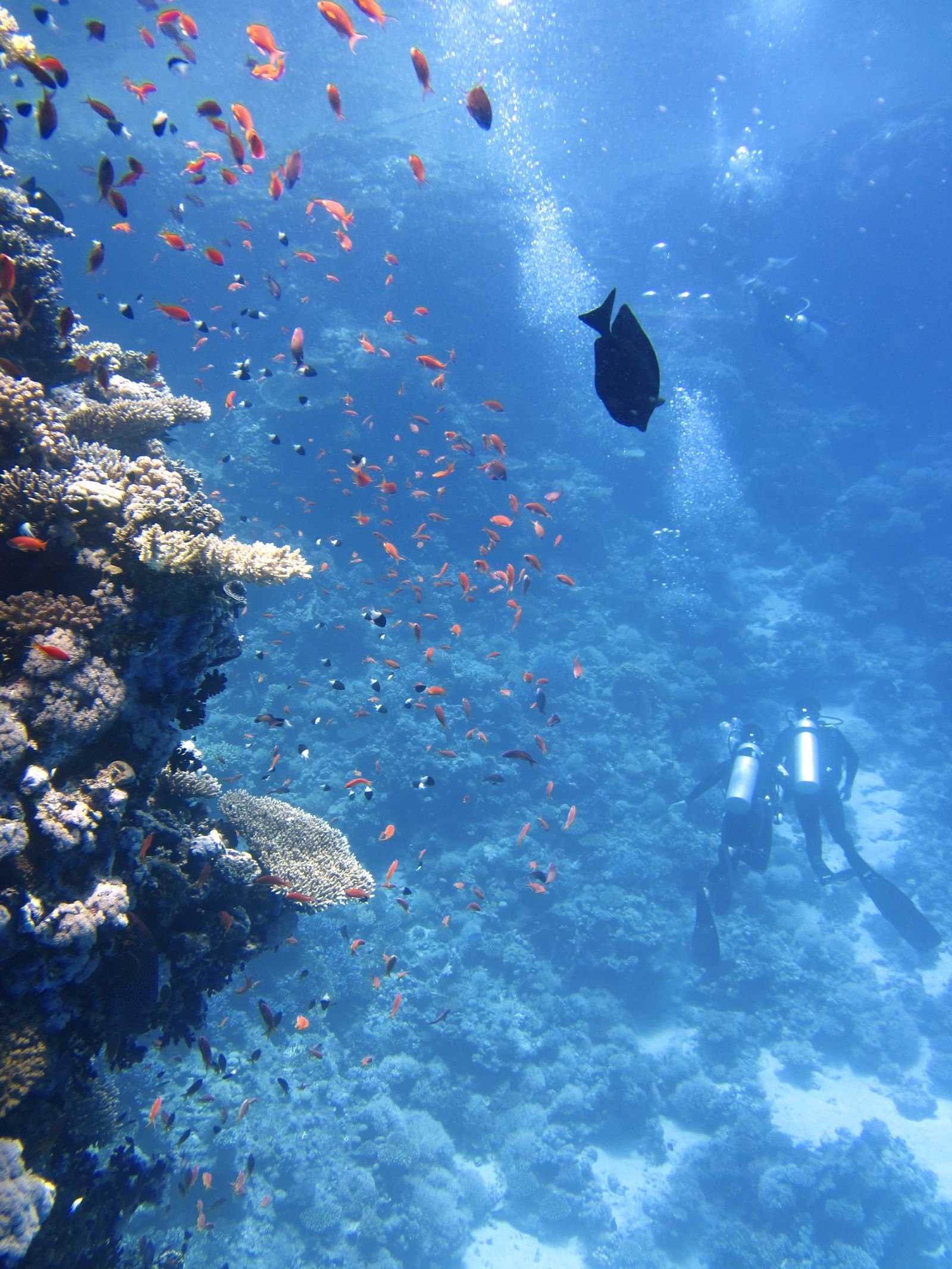
Best Time to Snorkel in Hurghada: autumn
September and October combine very warm sea temperatures with gradually easier air temperatures. November is cooler but remains comfortable for many visitors. That makes autumn another strong answer to the question of the Best Time to Snorkel in Hurghada.
September is strongest for warm-water lovers. October gives one of the best sea-and-air balances. November works well for travelers who also want sightseeing.
Best Time to Snorkel in Hurghada for beginners
For first-time snorkelers, the Best Time to Snorkel in Hurghada is not only about temperature. Beginners often enjoy months when the water feels comfortable and the air is not extremely hot. April, May, September and October are useful starting points.
Daily wind and sea conditions still matter. Follow the crew’s instructions, use the provided flotation equipment if needed, and do not treat a monthly average as a guarantee of calm water.
Best Time to Snorkel in Hurghada for children
Children can feel cold faster than adults. The Best Time to Snorkel in Hurghada for families with young children is often late spring through early autumn, when both air and sea temperatures are warmer.
Regardless of month, use sun protection, keep a dry towel and clothes ready, and choose shorter water sessions if the child becomes cold.
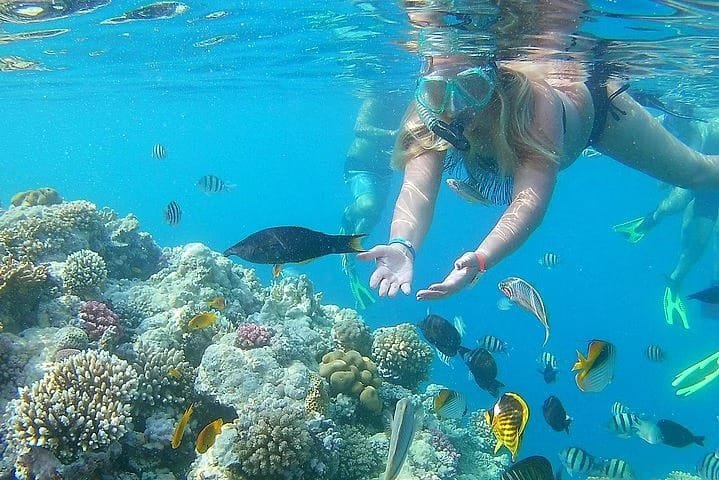
Best Time to Snorkel in Hurghada for Orange Bay
Orange Bay combines boat time, snorkeling stops and beach time. The Best Time to Snorkel in Hurghada for Orange Bay is therefore also about how comfortable you feel on the beach and on the return boat ride.
Spring and autumn offer a strong balance. Summer is hotter but gives very warm water. Winter can still work on calm sunny days with a dry layer ready after swimming.
Best Time to Snorkel in Hurghada for Dolphin House
Dolphin House is a snorkeling excursion first. Choose the month for water comfort and daily sea conditions rather than for a promise of dolphins. The Best Time to Snorkel in Hurghada for Dolphin House is usually the same broad warm-water window as other offshore snorkeling trips.
Dolphin sightings are never guaranteed because the animals are wild.
Best Time to Snorkel in Hurghada: booking checklist
- Check the short-term wind and sea forecast.
- Ask what thermal protection is available in cooler months.
- Bring sunscreen, hat, sunglasses and dry clothes.
- Choose a shorter first session if you are new to snorkeling.
- Do not rely on a monthly average to guarantee visibility or calm water.
- Compare your exact hotel pickup and boat program before booking.
For official weather information, use the World Meteorological Organization World Weather Information Service. Egypt’s tourism portal also provides general visitor information at Experience Egypt.