

Is Luxor too tiring for a day trip from Hurghada? It can be a demanding day, but the useful answer depends on the route, the time spent standing and walking, the vehicle arrangements and the breaks your group needs. A traveller who enjoys a long museum visit may still want different arrangements for ramps, tomb passages or an early hotel collection.
The published coach and minibus excursions both visit Karnak, the Valley of the Kings, Hatshepsut Temple and the Colossi of Memnon. A smaller shared group does not remove those visits or automatically shorten their walking routes. The overnight programme changes the return journey and adds a hotel stay, but still places its four archaeological visits on day one.
This guide treats “Is Luxor too tiring?” as a practical booking question. It helps you describe the arrangements that matter to you, compare the actual programmes and request a realistic visit. It does not invent a universal step count or promise that every visitor can follow the same route comfortably.
Tour descriptions, fares and official visitor information checked on 4 November 2026. Opening hours and arrangements must be reconfirmed for the travel date.
Photographs illustrate Luxor sites and activities. They do not certify present access, available assistance, a particular vehicle or a promised balloon route. Cover credit: Photo: Hurghada Travels media collection · display resized.

1. Is Luxor too tiring? Separate the different kinds of effort
A long excursion can feel demanding for several reasons. There is time spent travelling, getting into and out of a vehicle, standing during explanations, walking between sights and negotiating changes in level. These are different tasks. Saying that someone can walk well does not establish whether they are comfortable standing for a long explanation or climbing into a particular vehicle.
Start by describing an ordinary outing that works for you. You might prefer short walking intervals with a seated break, be comfortable on level ground but avoid long slopes, or need a reliable step-free route. These descriptions help an organiser assess the practical request much more clearly than an age label or the word “easy”.
Ask about the most demanding part of the proposed route, not just the average pace. Also consider the return from each visit: a descent into a tomb is followed by a way back out, and a walk away from the meeting point needs a planned return.
Write down your priorities before comparing prices. A comfortable trip is one whose confirmed arrangements suit the people travelling, rather than one advertised with a general promise that everyone will find it effortless.
2. Is Luxor too tiring? Understand the full-day schedule
Both day-trip pages describe an excursion of approximately fifteen hours overall. That includes the journey from Hurghada, collections, road stops, sightseeing and the return. It is not fifteen hours of walking, nor is it a promise of an exact hotel return time. Traffic and operating arrangements affect the day.
The early start also deserves attention. Ask for the confirmed collection time at your exact hotel and distinguish it from the activity start shown on a booking form. Consider what you have planned the previous evening and whether the next morning requires another early departure. Leave space around the trip instead of arranging a tight connection on the strength of an estimate.
“Is Luxor too tiring?” becomes easier to answer when you receive a sequence rather than a headline duration. Request the approximate sightseeing order, the longest expected interval without a seated break and the arrangements for rest stops. Ask what happens if the schedule changes.
For a family or mixed-pace group, discuss the whole outing together. One person’s favourite visit may come late in the day, so it helps to know where that visit sits before deciding whether the standard programme meets everyone’s priorities.
3. Karnak: plan the route as well as the time at the temple
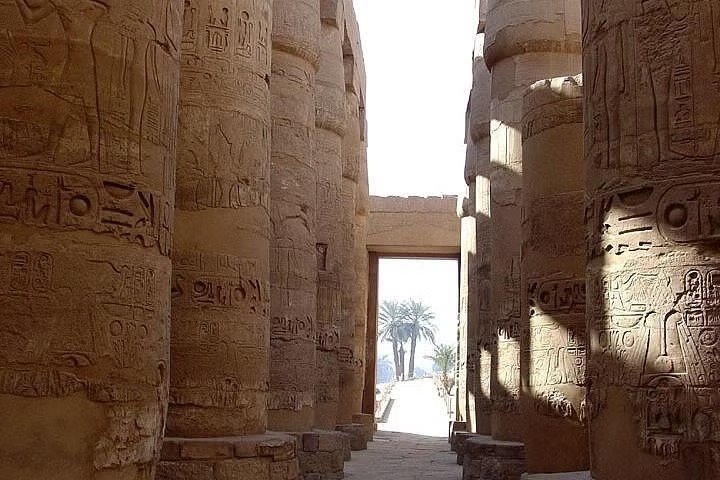
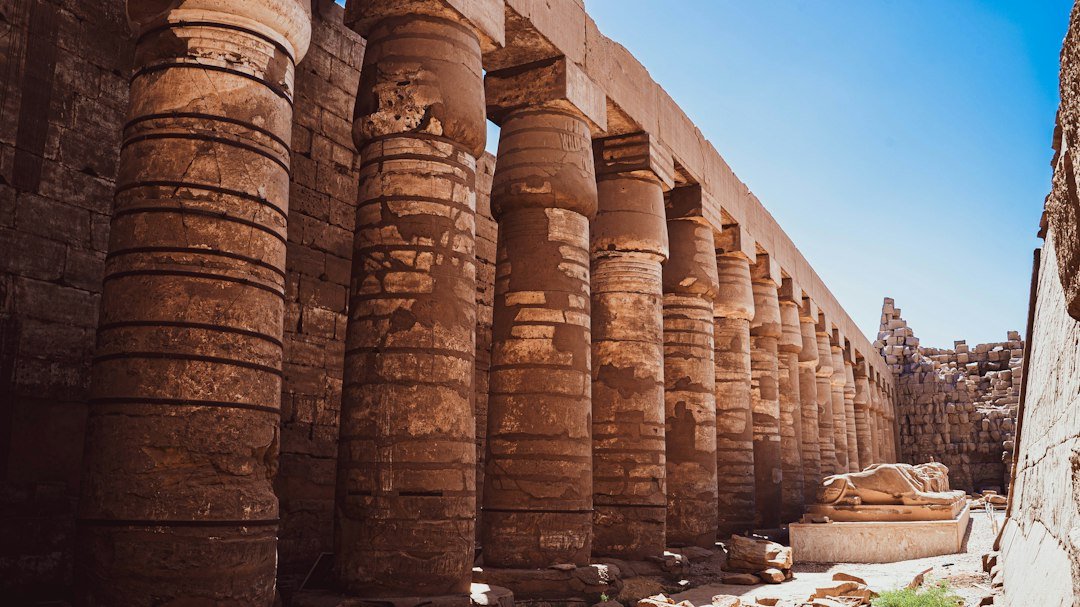
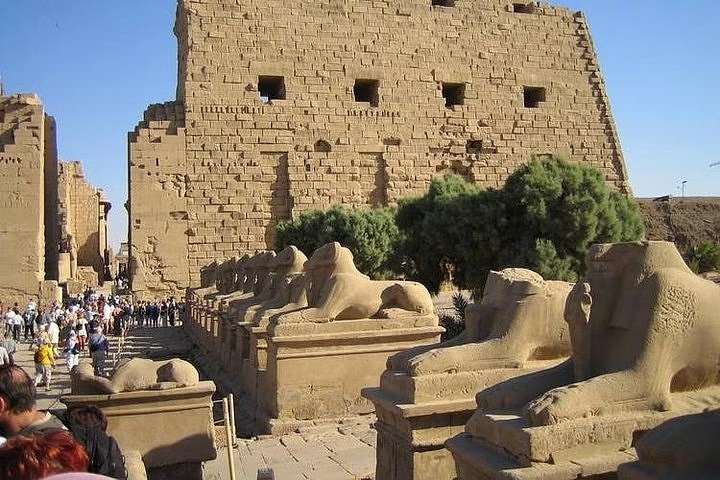
Karnak involves moving through an extensive temple complex. Decide which parts you most want to see, and ask the guide how those areas fit the available visit. Following an explanation while standing is part of the effort too; photographing columns and reliefs can add pauses without necessarily providing a seat.
A research paper published by IFAO documents accessibility work at Karnak, including improved routes and ramps. It is evidence of completed work described by that study, not a live guarantee about every route, facility or current operating condition. Ask which suitable route will actually be used on your date.
Avoid two assumptions: that an archaeological site has no accessible route, or that an accessible route means every corner is reachable in the same way. Your practical question is whether the chosen entrance, highlights, exit and meeting point form a workable visit for you.
Use the Karnak and Luxor Temple comparison to identify the monument you want. They are different sites. An additional temple visit would add another activity and needs its own confirmed time and arrangements; it is not automatically included in these three programmes.
4. Is Luxor too tiring inside the Valley of the Kings?
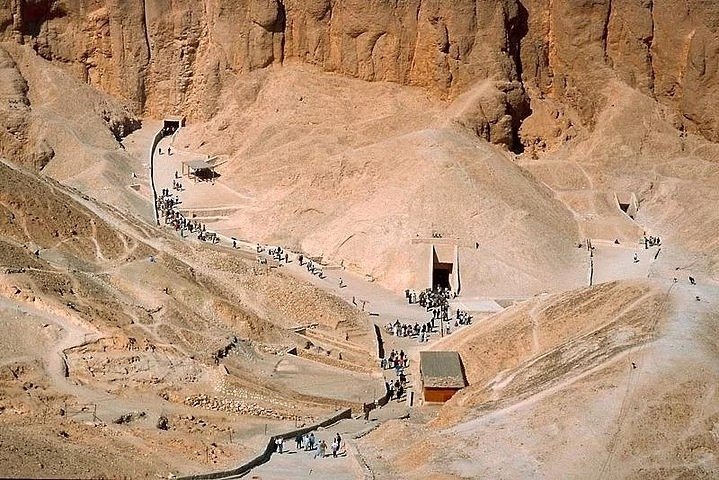
Separate reaching the valley from entering individual tombs. Transport to a visitor area does not remove the movement between entrances or the route inside a selected tomb. Tomb layouts differ, so the question should be about the actual tombs proposed rather than a single description of the entire valley.
For example, the Theban Mapping Project plan of KV1 identifies entrance steps. This is an archaeological example, not a promise that KV1 is open, selected for your tour or suitable for your needs. Ask about current conditions, descent, steps and the way back out for each intended visit.
The published day tours include three standard tombs. A ticket allowance does not oblige you to enter every tomb, but any shortened visit or alternative waiting arrangement must be agreed with the guide. Do not assume there is a suitable seat, supervised waiting area or available vehicle at every entrance.
If enclosed passages or a particular route concern you, discuss the practical issue before booking. Ask whether a different available tomb or a shorter visit can be accommodated. A special tomb ticket, where offered, adds an option; it should not be purchased simply because more entries appear to mean better value.

5. Hatshepsut: ramps, terraces and the return route
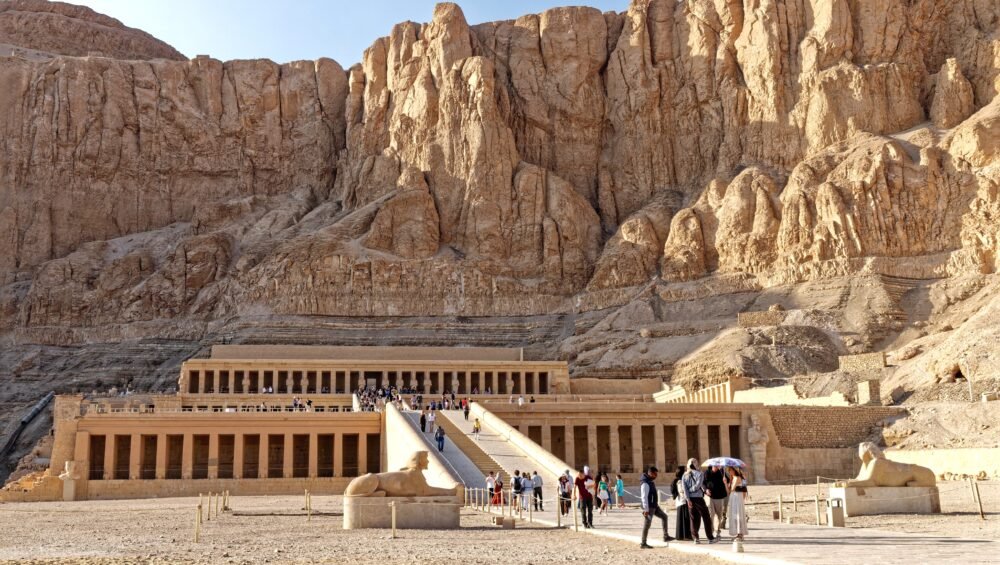
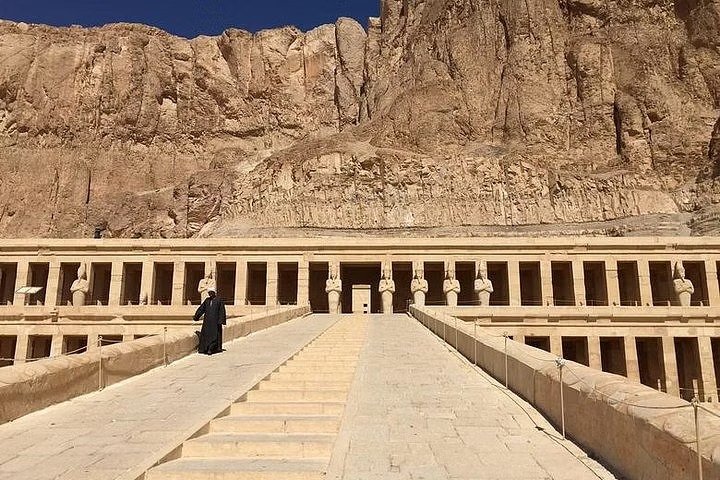
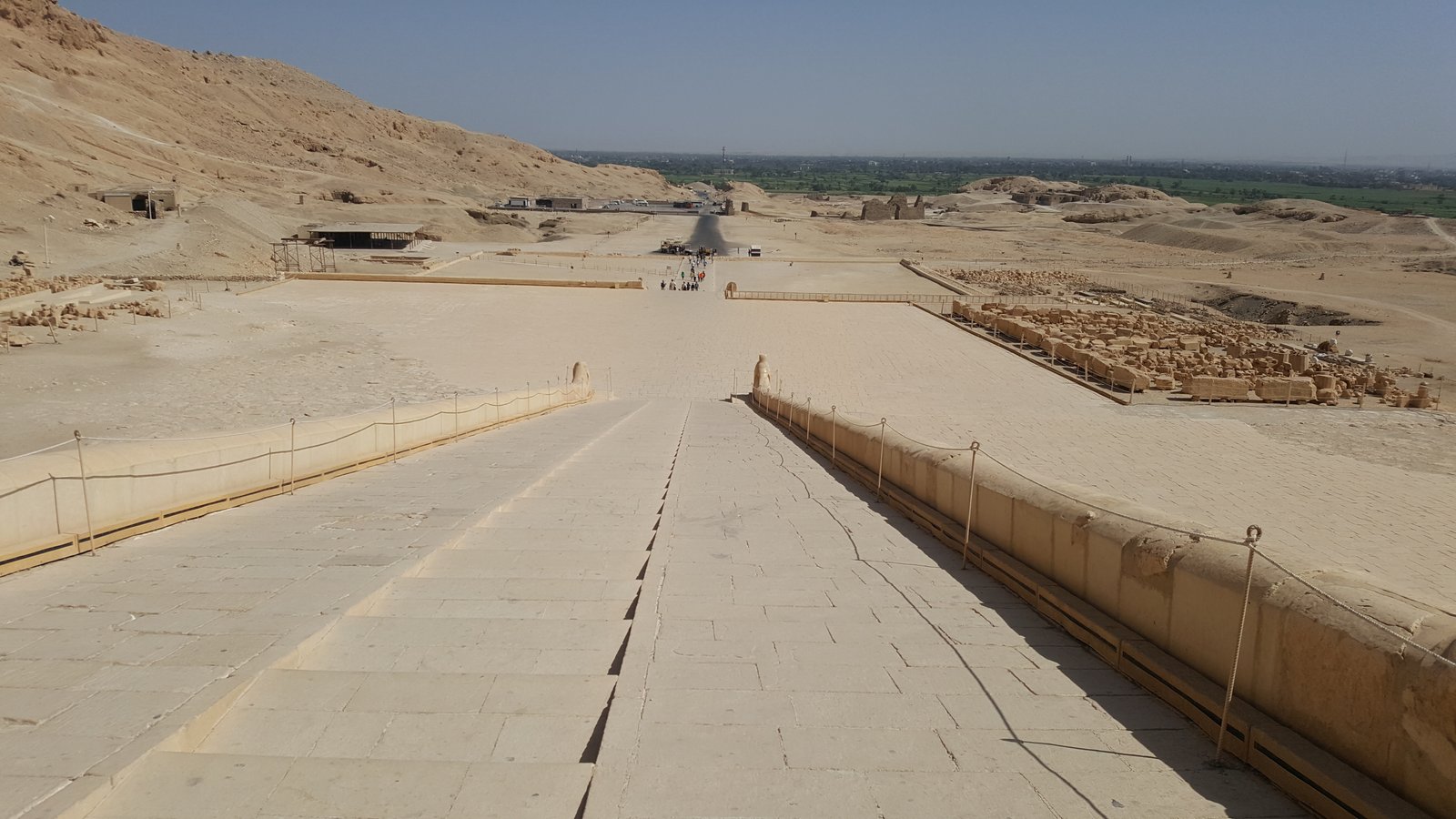
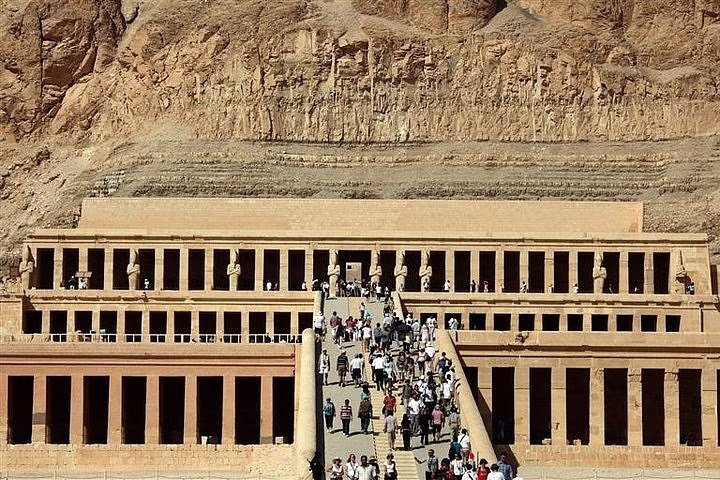
The University of Warsaw describes Hatshepsut Temple as three terraces connected by ramps. For planning purposes, the important point is the change in level. A ramp is not automatically an effortless route, and an architectural description does not establish present wheelchair access throughout a visit.
Ask which terraces the programme intends to visit and how visitors reach them. If you prefer a shorter route, establish what you would still see, where you would stop and how you would rejoin the group. A decision to stay in a lower area should not leave the meeting arrangements uncertain.
Look at the photograph of the central approach as an illustration of the place, not a measurement of the exact effort required. Conditions, the entrance used and the route chosen can change the distance you cover. There is no reliable reason to promise every guest an identical number of steps.
“Is Luxor too tiring?” may depend more on this particular part of the day than on the vehicle size. Describe how you manage slopes and steps, and request an answer about the route itself. Include both the outward movement and the return to the confirmed collection point.

6. Memnon, breaks and optional stops: make each one explicit
The Colossi of Memnon are another named stop in the three programmes. Ask where the vehicle stops and how the viewing area is reached. A brief photo stop can still involve getting down from the vehicle, walking to a suitable position and standing while the group gathers again.
Breaks need the same precision as sightseeing. Ask when a seated rest is expected, where toilets are available along the planned route and whether your particular access requirements can be met. A lunch stop, roadside stop and monument visit offer different practical arrangements; one should not be assumed to replace all the others.
Optional activities should remain genuine choices. If a Nile boat outing is offered, check its additional price, boarding arrangements and what the alternative is for someone who does not join. A seat on a boat does not establish that reaching it will work for every traveller.
If one person wants to pause while companions continue, agree where they will wait, who will remain with them if needed and how everyone will meet. Keep the guide informed. An organised shorter visit can be a useful request, but it is not an automatic feature of a shared tour and should never depend on an improvised assumption.

7. Is Luxor too tiring by coach compared with minibus?
Choose the vehicle for a specific benefit you value. The coach programme has a shared group of up to thirty guests. The minibus programme has a shared group of up to eight. Both list the same four core archaeological stops, and both describe approximately fifteen hours overall.
A smaller group may suit your preference for travelling with fewer people. It does not establish less walking, more legroom in every seat, easier boarding or an earlier return. If those details matter, ask about the vehicle allocated to your departure, its entrance steps, seating and space for equipment. Do not infer a physical specification from the word “minibus”.
Neither shared format automatically gives you a private schedule. Requests for additional pauses or a shortened route must be checked before booking. If a personal timetable is essential, request a separate proposal and accept it only when the arrangements and price have been confirmed.
The table below shows published fares, checked on 4 November 2026. Compare the programme as well as the total. Paying more for the minibus buys the stated smaller-group format; it is not a surcharge that automatically removes stairs or guarantees assistance. Hotel-area supplements and optional services must be included in your final quotation.
Is Luxor too tiring? Compare formats, prices and sightseeing
| Programme | Adult | Child | Younger children | Group and sightseeing pattern |
|---|---|---|---|---|
| One day · coach | €65 · age 10+ | €35 · ages 4–9 | €20 · ages 0–3 | Shared, up to 30. Four named archaeological stops in one day. |
| One day · minibus | €80 · age 10+ | €40 · ages 4–9 | €35 · ages 0–3 | Shared, up to 8. Same four core stops; no automatic reduction in walking. |
| Two days · hotel and balloon | €160 · age 11+ | €125 · ages 6–10 | Under 6 not permitted | Two days, one night. Four archaeological stops on day one; balloon and independent time on day two. |
Published fares checked on 4 November 2026; availability and the full total must be confirmed for your date and hotel. Optional visits, hotel-area supplements and any applicable payment fee are additional. Age 10 is an adult fare on the day trips but a child fare on the two-day tour. Scroll sideways on small screens.
8. Is Luxor too tiring? What an overnight stay changes
The published two-day tour with hotel and balloon changes the structure of the trip, but not in every way a traveller might imagine. Its four archaeological stops are listed on day one. The programme should not be described as two sightseeing stops per day unless a different arrangement is explicitly confirmed.
An overnight stay means you remain in Luxor after the first day rather than completing the standard day-tour return that evening. The programme then includes the balloon activity, breakfast afterwards and independent time before the return meeting on day two. The first evening after check-in is also independent free time.
For “Is Luxor too tiring?” this creates a genuine trade-off. You gain a night on location, while another morning activity and its participation requirements become part of the decision. Ask the balloon operator about boarding, required standing and assistance before treating the package as a solution to limited walking or mobility.
Children under six are not admitted to this particular product. Do not assume that skipping the balloon automatically creates a different family booking. Read our two-day planning guide, then confirm the hotel arrangements, room access and full schedule for your party.

9. Families and mixed-pace groups: compare needs, not labels
People of the same age can prefer very different travel days. Discuss each participant’s comfortable pace rather than assuming that all children need the same breaks or that every older traveller wants a shortened visit. A useful plan respects individual choices and makes the practical arrangements clear.
For children, consider the early collection, sitting during road travel, toilet stops, meals and the sequence of monuments. Ask about any necessary child seating arrangements before booking. If bringing a stroller, check vehicle storage and the intended route; the ability to carry one does not mean it can be used throughout every archaeological visit.
Pay attention to the different age bands in the price table. A ten-year-old pays the adult fare on the day tours but the child fare on the two-day product. These are commercial categories, not assessments of how comfortable a child will find the programme.
Our Luxor family guide can help you frame further questions. Give the organiser the ages and the arrangements required, then ask what is possible. Avoid booking a standard schedule on the assumption that the entire group will be able to change its pace after departure.
10. Describe access needs without relying on a general label
“Is Luxor too tiring?” sometimes means “Will the route work with my equipment or the assistance I need?” In that case, ask for a continuous plan from hotel collection to the return. A workable entrance to one temple does not establish that the vehicle, other monuments, toilets and hotel are equally suitable.
For a wheelchair or mobility aid, describe the relevant dimensions, whether it folds and whether vehicle boarding requires a lift or another specific arrangement. Ask who provides any agreed assistance. Equipment storage and a passenger’s ability to board are separate questions, and neither should be assumed from a group-size description.
Request recent route information or photographs where they would clarify a practical uncertainty. Discuss entrance steps, slopes, surface changes, places to pause and the exit. If a particular feature is essential, obtain confirmation for that feature rather than accepting a broad statement that the destination is accessible.
You can describe functional requirements without sending an unnecessary medical history. The booking task is to establish the services and physical arrangements needed. If the organiser cannot confirm an essential part, resolve it before payment or choose a programme that can be confirmed. A respectful, specific answer is more useful than reassurance without details.

11. Plan for the conditions, meals and collection details
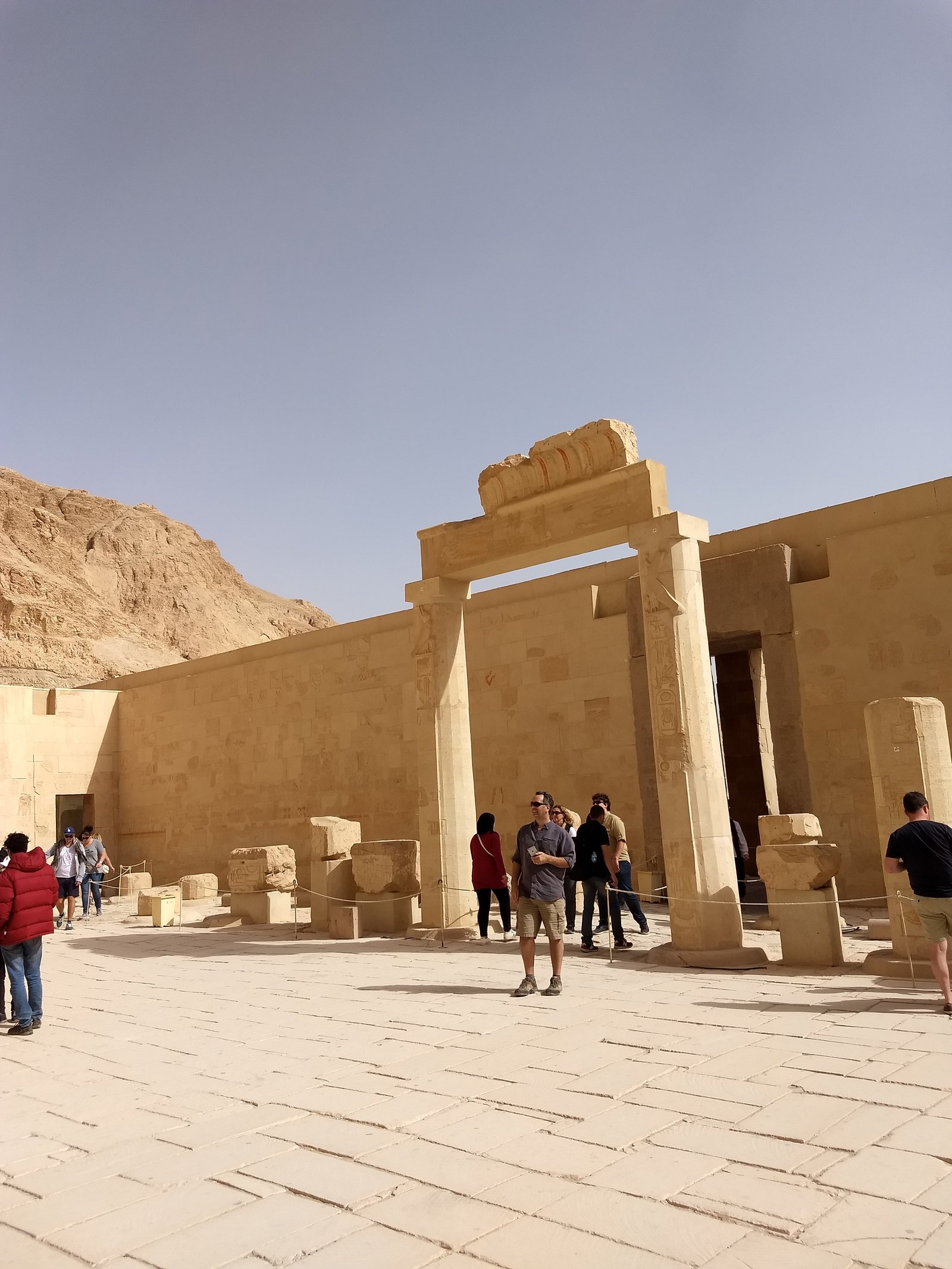
Check the forecast for the actual travel date and ask how the proposed route handles outdoor periods and breaks. Do not base the whole decision on a general description of the season. Footwear you already find comfortable, appropriate sun protection and a practical water arrangement help you prepare for the confirmed outing.
The day-trip pages list lunch and drinks. Clarify dietary requirements, meal timing and where refreshments fit the schedule. Avoid assuming that a meal inclusion means water or seating will be available at every moment inside each monument. Carrying equipment and personal belongings also affects how convenient the walking feels.
Send the exact hotel and resort area for collection. The day programmes include Hurghada hotel pickup and return; hotels outside the included area may need a supplement. Ask for the total for your actual hotel rather than applying a fee quoted for another tour.
Online Visa/Mastercard and cash euros at pickup before departure are listed for the day tours. The two-day page confirms Visa; check its other methods directly. Review the final displayed amount, currency and any fee before payment. Read the booking conditions and make sure any requested assistance or itinerary adjustment appears in your confirmation.
12. Is Luxor too tiring? Use a clear booking decision
Choose the standard day trip if its confirmed route, shared timing and overall duration fit your group. Choose the minibus when the smaller shared group is the benefit you want, after checking the vehicle details that matter. Consider the overnight product if the whole two-day programme, including the balloon requirements, suits you.
If the essential issue is a specific route, frequent seated breaks or suitable boarding, ask about that first. Do not expect a different product name to solve the issue automatically. A separately agreed itinerary may be worth requesting, but it needs a clear scope and price before it becomes a booking option.
Send one message with your date, hotel, party size, children’s ages and preferred guide language. Add your practical requirements, the sites you most want to visit and any section you would prefer to shorten. Request the visits, tickets, breaks, vehicle arrangements, meals, return estimate and complete total together.
The best answer to “Is Luxor too tiring?” is a plan you can assess. Keep the written confirmation, share it with your companions and review any changes before departure. That gives you a clear basis for choosing the trip and enjoying the parts of Luxor that matter most to you.

30 questions: is Luxor too tiring?
1. Is Luxor too tiring for everyone travelling from Hurghada?
No single answer fits everyone. The relevant factors are the confirmed route, overall duration, walking and standing intervals, boarding arrangements and breaks. Describe what works for your group and ask the organiser to explain the actual programme before choosing a format.
2. How many kilometres will I walk?
There is no verified single total for every departure. Entrances, selected tombs, optional visits and personal detours affect the route. Request an estimate for the proposed itinerary and distinguish total walking from the longest continuous stretch without a suitable break.
3. Does a fifteen-hour tour mean fifteen hours on foot?
No. The published approximate duration includes road travel, hotel collections, rest stops, sightseeing and return. It does not specify continuous walking time. Ask how the day is divided and when seated breaks are expected rather than interpreting the overall duration as time on foot.
4. Does the minibus involve less walking than the coach?
Not automatically. Both published day programmes name the same four principal archaeological stops. The minibus changes the maximum shared group size to eight. A shorter walking route or extra pause needs a separate agreement and should be confirmed before booking.
5. Is the minibus private?
No. The advertised minibus departure is a shared tour. Private transport, control over the timetable and a customised itinerary are separate requests. Confirm all three if you need a personal schedule rather than assuming that a small vehicle provides them automatically.
6. Is one vehicle always easier to board?
That cannot be established from its category alone. Ask about the specific vehicle, entrance steps, handholds, seat access and any necessary equipment storage. If a lift or particular assistance is essential, obtain confirmation of that requirement before paying.
7. Are there accessible routes at Karnak?
Published research documents accessibility improvements, including routes and ramps. It does not provide a live guarantee for every part of a future visit. Ask which current entrance, route and exit will be used and whether they meet your particular requirements.
8. Is the entire Karnak complex automatically included in one walking route?
No such promise should be assumed. The guided route, available time and areas visited depend on the programme and current access. Name your priorities and ask how they fit. A general temple admission does not describe the route the group will follow.
9. Do all Valley of the Kings tombs have identical access?
No. Tomb layouts differ. Ask about the actual tombs proposed, their entrances, changes in level and the return route. A photograph of one corridor or an archaeological plan of another does not establish the conditions for every tomb you may visit.
10. Does local transport remove the walking inside tombs?
No. Reaching a visitor area and negotiating a tomb interior are separate parts of a visit. Check whether any local transport is operating and included, then ask about the remaining route. Do not infer step-free tomb entry from a transfer service.
11. Must I enter all three included standard tombs?
A ticket allowance is not an obligation, but any shortened visit must be coordinated with the guide. Agree where you will wait and rejoin the group. A seat, supervised waiting area or available vehicle should not be assumed at every location.
12. Are special tombs included automatically?
The day products specify three standard tombs. Special tombs, such as Tutankhamun where available, require separate checking and tickets. Consider the additional route and time as well as price before adding an optional entrance to an already full day.
13. Does Hatshepsut Temple have changes in level?
Yes. Its terraced layout is connected by ramps. Ask which levels the visit will cover and how you reach them. The existence of a ramp does not by itself establish an effortless route or continuous wheelchair access for your particular itinerary.
14. Can I request a shorter Hatshepsut visit?
You can request it, but the organiser must confirm how it works within the group schedule. Clarify what you would see, where you would stop and the meeting point. Do not rely on an improvised decision that leaves the return arrangements unclear.
15. Is the Memnon stop a guaranteed seated break?
No. It is a named sightseeing stop. Ask about the drop-off and viewing route, and request a seated break separately if needed. A short visit or photo opportunity does not guarantee a chair, shade or specific facilities at the stopping point.
16. Can I skip an optional Nile boat activity?
Discuss the alternative with the organiser before the activity. Ask where non-participants wait, whether the location meets their needs and when the group reunites. If you want to join, check the extra price and boarding arrangements as well as the boat ride itself.
17. Does the two-day tour divide the four monuments across two days?
The current published programme places all four named archaeological stops on day one. Day two includes the balloon, breakfast and independent time before the return. An overnight stay should not be described as an automatic split of the sightseeing workload.
18. Does the overnight stay remove every early start?
No. The package includes another morning activity, with arrangements confirmed by the balloon operator. Assess the whole schedule, including transfers and breakfast, rather than treating a hotel night as a promise of a late or completely unstructured second morning.
19. Is the balloon automatically suitable for limited mobility?
Do not assume so. Ask the operator about boarding, required standing, assistance and participation conditions for your needs. A passenger who can follow one temple route may still require a separate assessment of the practical arrangements for the balloon activity.
20. Can a child under six join the overnight balloon package?
No. This particular published product does not admit children under six, including infants. Skipping the flight does not automatically create an alternative booking. Ask whether a different suitable programme is available if younger children are travelling.
21. What fare applies to a ten-year-old?
Age ten uses the adult day-trip fare: €65 by coach or €80 by minibus. On the two-day product, age ten remains in the child band of six to ten inclusive, at €125. Confirm ages when requesting the group total.
22. What are the other published child prices?
For the day tours, ages four to nine are €35 by coach or €40 by minibus; ages zero to three are €20 or €35 respectively. The two-day adult fare starts at eleven at €160. Prices do not establish individual comfort with the route.
23. Can I bring a stroller or folding wheelchair?
Ask about both transport storage and use at the sites. Provide relevant dimensions and describe boarding needs. The ability to store equipment does not prove that the passenger can board comfortably or that the equipment can be used along the complete sightseeing route.
24. Are toilets and seated breaks guaranteed at every stop?
Do not assume that. Ask where suitable facilities and planned breaks are available on the actual route. If specific accessibility features are essential, request them explicitly. A general mention of rest stops does not confirm the facilities at every monument.
25. Are meals and drinks included in the day tours?
The published coach and minibus programmes list lunch and drinks. Check timing and any dietary request in advance. Meal inclusion does not establish constant refreshments or seating throughout the site visits, so discuss how breaks fit the confirmed schedule.
26. Is hotel pickup included everywhere?
The day tours include Hurghada hotel pickup and return. Outside the included area, a supplement or particular arrangement may apply. Send the exact hotel and resort and request the full price and collection details for that location before booking.
27. Can I pay by Visa or cash?
The day-tour pages list Visa/Mastercard online and cash euros at pickup before departure. The two-day page confirms Visa; ask about its other methods separately. Review the displayed final amount, currency and any applicable fee before completing card payment.
28. Will the guide speak my preferred language?
Confirm the language for your date and programme. A translated article does not guarantee a guide in that language. Clear communication matters when agreeing breaks or a shortened route, so establish how those arrangements will be explained before travelling.
29. What if an essential arrangement cannot be confirmed?
Resolve it before payment or choose a different confirmed programme. Keep the written details and review cancellation and date-change terms for the services booked. Do not rely on a general assurance when a particular route, boarding arrangement or assistance is essential.
30. Is Luxor too tiring? What details should I send before booking?
Include date, exact hotel, participants, children’s ages and guide language. Describe comfortable walking and standing intervals, equipment and essential access needs. Name priority sites and request the route, breaks, vehicle, meals, tickets, estimated return and full price in one written confirmation.
Official information and booking conditions
- IFAO: documented accessibility work at Karnak (research PDF)
- University of Warsaw: Hatshepsut’s terraces and ramps
- Theban Mapping Project: KV1 plan and entrance steps (PDF)
- Ministry: Valley of the Kings
- Official Valley of the Kings visitor and ticket information
- Hurghada Travels: booking and cancellation conditions