
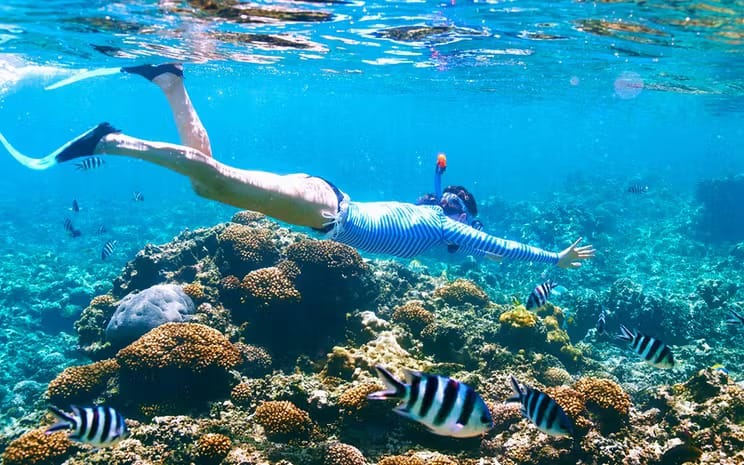
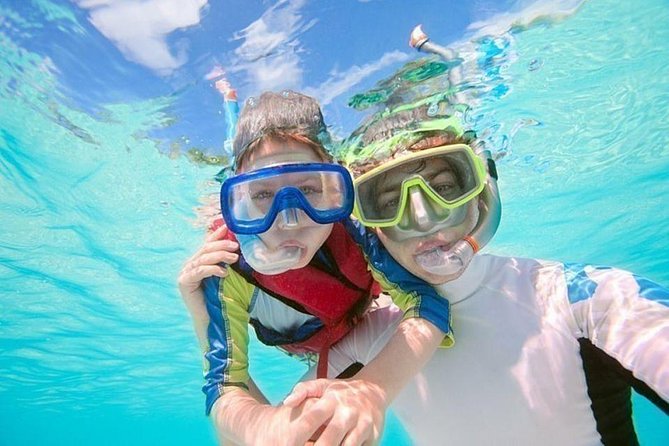
Red Sea snorkeling for non-swimmers in Hurghada is one of the easiest and safest ways to explore the underwater world.
Red Sea snorkeling for non-swimmers in Hurghada is one of the best experiences for beginners visiting Egypt.
You do not need to be a strong swimmer to snorkel in the Red Sea.
I know that sounds like something a tour company would say to get you on the boat, but it’s actually true, if you do it the right way. The Red Sea is famous for warm water, clear visibility, and reefs that sit close to the surface. Which means you can float, look down, and see the whole underwater thing without doing laps.
Red Sea snorkeling for non-swimmers in Hurghada is a perfect choice for beginners visiting Egypt.
Still. If you are a non swimmer, you need a plan. Not bravery. Not vibes. A plan.
This guide is that plan.
Red Sea snorkeling for non-swimmers in Hurghada is one of the safest and most enjoyable experiences for beginners.
If you’re planning a trip, Red Sea snorkeling for non-swimmers in Hurghada is a must-try activity.
Hurghada offers amazing snorkeling opportunities for beginners who want to enjoy the Red Sea without swimming skills.
Red Sea Snorkeling for Non-Swimmers in Hurghada: What You Should Know
Can Non-Swimmers Snorkel in the Red Sea in Hurghada?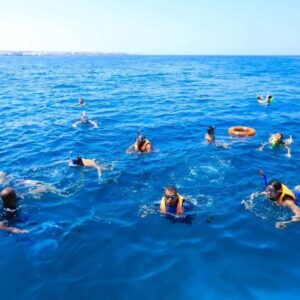 Yes, and it happens every day in Hurghada and nearby islands.
But here’s the honest version.
Non swimmers snorkel safely when:
- you wear proper flotation (not optional)
- you stay in calm areas and avoid current
- you get a good mask fit and do a quick water practice
- you follow a guide who actually watches people, not just the reef
Non swimmers get into trouble when:
- they insist they are “fine” without a life jacket
- they panic the first time water enters the snorkel
- they drift away from the group chasing a fish
- they go out on a windy day with chop and current and pretend it’s normal
So. Yes. But you do it with structure.
First, the biggest risk is not sharks. It’s panic.
Most snorkeling incidents with non swimmers start the same way.
A little water goes in the snorkel. They cough. Their brain goes, I can’t breathe. They lift their head. Mask shifts. More water. They flail. They swallow a bit. Now it feels like drowning even though they are wearing flotation.
Panic is loud and fast.
So your goal is not “be fearless”. Your goal is reduce surprise.
We do that with the right gear, a simple routine, and choosing the right trip.
The safety checklist (read this before you book anything)
If you remember nothing else, remember this list.
1) Wear a life jacket. A real one.
Not a pool noodle. Not “I’ll hold the ring if I need it”. A properly sized life jacket or buoyancy vest that keeps your face above water when you stop moving.
Ask the boat crew to fit it snug. If it rides up to your ears, it’s too loose.
2) Use fins even if you are not swimming
This surprises people. Fins are not about speed, they are about stability and control. With fins you can gently move away from coral, keep your body flat, and return to the boat ladder without exhausting yourself.
Short fins are usually easier for beginners.
3) Do not jump in first. Ever.
Enter the water calmly, ideally from a platform or ladder. If the boat encourages jumping, just say no thanks. You are allowed.
4) Stay close to the guide and the float
Good guides bring a ring buoy or float line. Stay near it. Even if you feel confident. Especially if you feel confident.
5) Do not snorkel if you feel sick, dizzy, or overly anxious
This one is boring but important. Seasickness plus anxiety is a terrible mix. If you feel off, sit out a stop. Enjoy the boat, drink water, try the next calmer spot.
Choosing the right Red Sea snorkeling trip (this matters more than people admit)
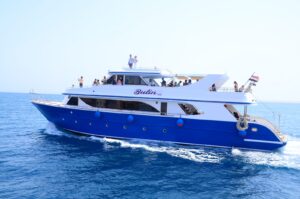
A lot of people assume all snorkeling trips are basically the same. They are not.
As a non swimmer, look for these things when booking:
Pick a guided boat trip with structured stops
You want a trip where the crew expects beginners, fits life jackets, gives a briefing, and keeps groups together. In Hurghada, this is the norm on well run excursions. It’s also why booking through a dedicated local operator helps, you get the right vibe, and someone you can message if you have questions.
If you’re browsing options, Hurghada Travels has several Red Sea snorkeling trips and island boat trips where guides are included. It’s easy to ask in advance about life jackets, stop locations, and whether it’s beginner friendly.
For instance, their Paradise Island snorkeling trip offers an excellent experience with luxurious boat lunch and 5-star service while their 3 hours Panorama semi-submarine tour provides a unique underwater viewing experience.
Avoid “speedboat only” trips if you’re nervous
Speedboats can be fun, but they can also mean faster drops, less time to settle, and sometimes choppier conditions. A larger boat is usually calmer and easier.
Go earlier in the day when possible
Morning seas are often smoother. The afternoon can get windier depending on the season.
Ask about the snorkeling spot style
Some stops are over shallow reef with calm water, like those at Orange Bay, which are perfect for beginners. Others involve drift snorkeling with a current. While drift snorkeling is amazing, it’s not recommended for your first time as a non-swimmer.
Red Sea snorkeling for non-swimmers in Hurghada is one of the safest and most enjoyable experiences for beginners.
Gear that makes snorkeling safer for non-swimmers
Let’s keep this practical.
Mask: fit is everything
A leaking mask is the fastest way to panic.
Quick fit test you can do on the boat:
- Put the mask on your face without the strap.
- Inhale gently through your nose.
- If it suctions and stays, good.
- If it falls off, try another.
If you have long hair, keep it out of the skirt seal. If you wear sunscreen, wipe the mask seal area as sunscreen can cause leaks.
Snorkel: consider a semi-dry or dry top
A dry top snorkel reduces the amount of water that gets in from surface splash. It doesn’t make you invincible, but it reduces those “cough surprise” moments.
Fins: snug but not painful
If fins are too loose, they fall off and you will stress. Too tight, your feet cramp.
Optional but very helpful: full face snorkel mask (with caution)
Some non-swimmers love full face masks because breathing feels more natural. But quality varies wildly.
If you use one:
- only use a reputable brand provided by a professional operator
- make sure it fits well and does not fog heavily
- do not go far from the boat
- do not use it for deep diving down, keep it surface only
If you’re unsure, stick to a standard mask and snorkel. Simple is safe.
Rash guard or wetsuit top
Not just for sun. It also reduces skin irritation and keeps you warmer, which helps you stay calm and floaty.
Your first 3 minutes in the water (the anti panic routine)
Do this every time, even if you snorkeled yesterday.
- Hold the float or the guide line. Face in water. Breathe slowly.
- Exhale hard once. That clears any small water in the snorkel.
- Check your mask seal. Press gently, adjust strap if needed.
- Kick lightly with fins. Not big bicycle kicks. Small, steady.
- Practice “standby mode”. Stop moving, let the life jacket support you, and breathe.
If at any point you feel that rising panic, do this:
- lift your head
- hold the float
- take 3 slow breaths
- signal the guide if you want to exit
There is no shame in resetting. The ocean does not care about your pride.
Safety signals you should know (and actually use)
You do not need a whole scuba course. Just these:
- OK sign (thumb and index finger making a circle): I’m fine
- Hand flat rocking side to side: Not OK / I need help
- Point where you want to go: Boat / ladder / guide
- Thumb up: I want to go up / I’m done snorkeling
Tell your buddy and guide before you enter the water: “If I do this, I want to exit.”
Snorkeling in Hurghada is one of the easiest ways for beginners to discover the Red Sea safely.
You don’t need to be a strong swimmer to enjoy the beauty of the Red Sea while snorkeling in Hurghada.
Hurghada offers amazing snorkeling opportunities for beginners who want to enjoy the Red Sea without swimming skills.
Red Sea snorkeling for non-swimmers in Hurghada is a safe and beginner-friendly activity for first-time visitors.
Common fears non swimmers have (and how to handle them)
“What if I swallow water?”
If you’re planning a trip, Red Sea snorkeling for non-swimmers in Hurghada is a must-try activity.
You might. A little. It happens.
The fix is simple:
- keep breathing slow
- exhale sharply to clear the snorkel
- if you cough, lift your head, recover, then continue
Most people swallow water because they try to inhale too fast after a cough.
“What if I drift away?”
This is why you stay with the guide, use fins, and keep awareness. Also, let the current work for you. Do not fight it hard. If you feel you are drifting, signal and move diagonally back, not straight against current.
If the water looks like it’s moving fast, just don’t get in. Wait for the next stop.
“What if a fish touches me?”
It probably won’t. And if it does, it’s usually just a brush. The bigger risk is you reacting suddenly and kicking coral or swallowing water.
Slow movements. Let the wildlife do its thing.
“What if I can’t climb back on the boat?”
Tell the crew before you snorkel. They can help you at the ladder. Many boats also have lower platforms.
Also, keep your fins on until you are holding the ladder, then remove them if the crew asks.
Red Sea specific tips (Hurghada, Giftun, Orange Bay style trips)
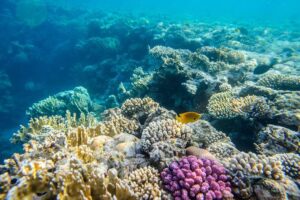
The Red Sea is friendly, but it has personality.
Sun is stronger than it feels
You are floating. Wind cools you. You do not realize you are roasting.
Use:
- reef safe sunscreen if possible
- rash guard
- drink water between stops
Coral is sharp and it’s alive
Do not stand on coral. Do not touch coral. Even “just for balance”.
If you need to rest, float on your back or hold the buoy.
Currents can change fast
You can have calm water at one stop, then a mild current at the next.
This is why the guide’s briefing matters. Listen even if you feel like you already know.
Who should not snorkel without extra precautions?
Be conservative here.
Talk to a medical professional if you have:
- uncontrolled asthma or frequent severe attacks
- heart conditions
- recent surgery
- pregnancy with complications
- panic disorder that is easily triggered in water
If you still want to go, consider a private trip like a speed boat private 3 hours snorkeling with dolphins trip or a calm shallow stop only, with full flotation and close support.
What to ask your tour operator before you book (copy paste this)
Send this message. Seriously.
- Do you provide proper life jackets in multiple sizes?
- Is the trip suitable for non swimmers?
- Will there be a snorkeling guide in the water?
- Are the stops calm reef snorkeling or drift snorkeling?
- Can I skip a stop and stay on the boat if I feel uncomfortable?
- What is the group size?
If you’re booking with Hurghada Travels, such as their Orange Bay Hurghada snorkeling tour or Dolphin House snorkeling trip, ask these questions through their contact options on their website and keep the replies for clarity before payment.
A simple packing list for non swimmers
Bring:
- towel
- rash guard or swim shirt
- sunscreen
- sunglasses and hat for the boat
- water and light snack (often included, but still)
- motion sickness tablets if you get seasick (take before departure)
- your own mask if you have one that fits well (optional, but great)
Avoid bringing:
- heavy jewelry
- anything you would be devastated to lose overboard
- unrealistic expectations that you will be “fearless” immediately
If you panic in the water, do this. In order.
- Stop kicking
- Hold the float or signal the guide
- Lift your head
- Slow inhale, slow exhale
- Decide: continue after 30 seconds, or exit
Most panic fades quickly when you stop trying to “fight” the moment.
Red Sea snorkeling for non-swimmers in Hurghada is a perfect choice for beginners visiting Egypt.
The bottom line
Red Sea snorkeling for non-swimmers in Hurghada is one of the best experiences for beginners visiting Egypt.
You don’t need to be a strong swimmer to enjoy the beauty of the Red Sea while snorkeling in Hurghada.
Snorkeling in Hurghada is one of the easiest ways for beginners to discover the Red Sea safely.
Non swimmers can absolutely snorkel the Red Sea, and honestly, it can be one of the best days of your whole Egypt trip.
But the win is not “I survived.” The win is calm, steady, well supported snorkeling where you feel in control the whole time.
Wear the life jacket. Choose the right trip. Stay close to the guide. Keep your first session simple.
And if you want an easy starting point, look for beginner-friendly Red Sea snorkeling and island trips through Hurghada Travels so you can book with a licensed operator and ask the right questions upfront.
If you’re planning your trip to Hurghada, you may also want to read our guides about the best time to visit Hurghada (https://hurghadatravels.com/best-time-to-visit-hurghada/), a detailed comparison of Orange Bay vs Paradise Island (https://hurghadatravels.com/orange-bay-vs-paradise-island-hurghada/), a full breakdown of Hurghada excursion prices (https://hurghadatravels.com/hurghada-excursions-cost/), and our complete 4 day Hurghada itinerary (https://hurghadatravels.com/4-day-hurghada-itinerary/).
Best beginner snorkeling trips in Hurghada
If you want calm water and a safe first snorkeling experience, guided island trips are usually the best option. These tours include life jackets, experienced guides, and shallow reef locations perfect for beginners.
You can explore some of the most popular snorkeling trips in Hurghada here:
Red Sea snorkeling for non-swimmers in Hurghada is one of the safest and most enjoyable experiences for beginners.
If you’re planning a trip, Red Sea snorkeling for non-swimmers in Hurghada is a must-try activity.
Many tourists try Red Sea snorkeling for non-swimmers in Hurghada because the water is calm and easy to enjoy.
FAQs (Frequently Asked Questions)
Can non swimmers safely snorkel in the Red Sea?
Yes, non swimmers can safely snorkel in the Red Sea, especially around Hurghada and nearby islands, provided they follow proper safety measures such as wearing appropriate flotation devices, staying in calm waters without currents, using a well-fitted mask, and following a vigilant guide.
What is the biggest risk for non swimmers when snorkeling?
The biggest risk is panic caused by unexpected water entering the snorkel or mask. This can lead to coughing, mask displacement, swallowing water, and feeling like drowning despite wearing flotation. Reducing surprise with the right gear and routine is essential.
What safety equipment is essential for non swimmers snorkeling in the Red Sea?
Non swimmers should always wear a properly sized life jacket or buoyancy vest that keeps their face above water even when not moving. Additionally, using fins helps with stability and control, making snorkeling safer and less exhausting.
How should non swimmers enter the water for snorkeling?
Non swimmers should never jump into the water first. Instead, they should enter calmly from a platform or ladder to avoid sudden surprises. If boat crews encourage jumping, it’s perfectly acceptable to decline for safety.
What should non swimmers look for when choosing a Red Sea snorkeling trip?
Non swimmers should choose guided boat trips with structured stops where crews expect beginners, provide life jackets, offer briefings, and keep groups together. Larger boats are preferable over speedboats for calmer conditions. Morning trips are recommended due to smoother seas.
Why is it important for non swimmers to stay close to the guide and float during snorkeling?
Staying close to the guide and float ensures safety by preventing drifting away due to currents or chasing fish. Good guides provide ring buoys or float lines to keep everyone together and monitored closely throughout the snorkeling experience.