Giza Pyramids: Walking, Crowds and What Photos Leave Out
Plan a Giza pyramids tour with realistic expectations about walking, heat, viewpoints and optional pyramid-interior tickets.
Giza pyramids tour: current tour options and tickets
Before choosing a Giza pyramids tour from Hurghada, compare the exact museum and transport format:
- Bus with the Egyptian Museum in Tahrir, Pyramids and Sphinx.
- Mini bus with the Egyptian Museum in Tahrir, Pyramids and Sphinx.
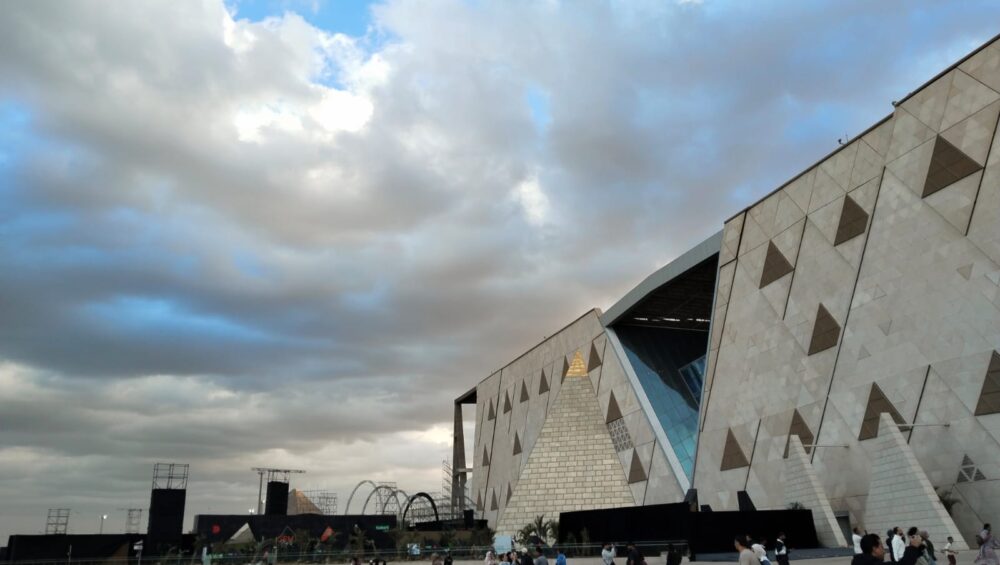
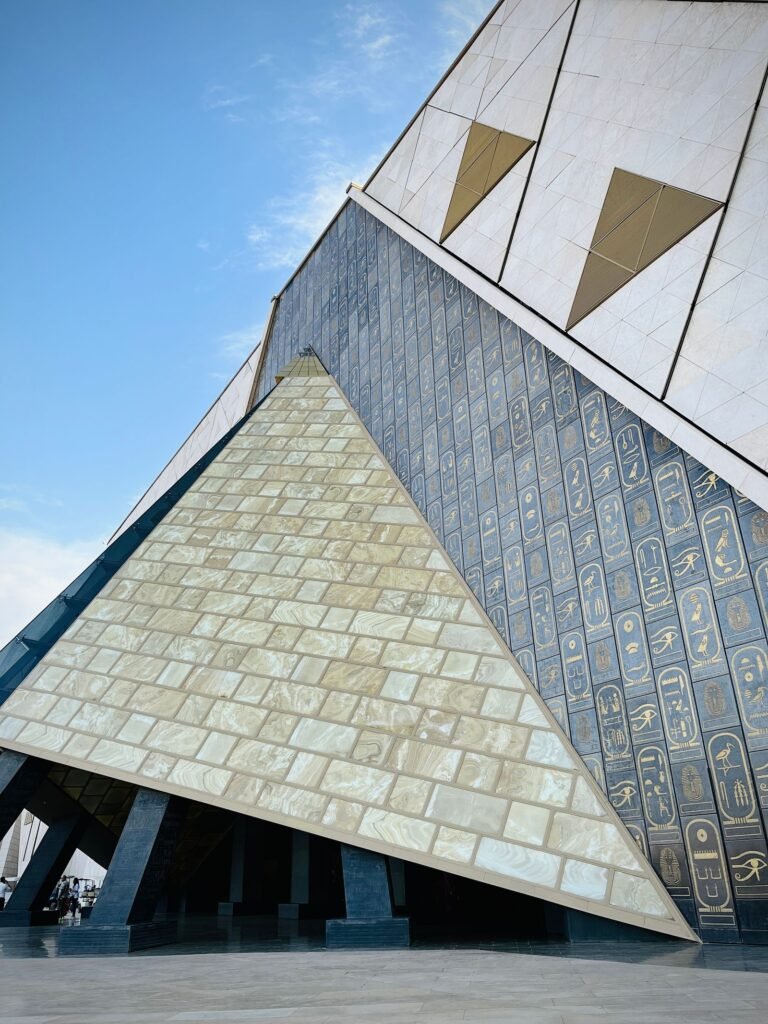
- Bus with the Grand Egyptian Museum, Pyramids and Sphinx.
- Mini bus with the Grand Egyptian Museum, Pyramids and Sphinx.
For the archaeological site itself, use the official Giza Plateau information. The tour confirmation should still control the exact pickup, museum, inclusions and optional tickets for your date.
The Cairo bus tour visiting the Egyptian Museum in Tahrir costs €65 per adult and €35 per child. The separate GEM bus tour costs €80 per adult and €40 per child. Both include the Giza Pyramids and Sphinx, guide, standard tickets and lunch; confirm drinks and other extras for the exact package before payment. Entry inside the Great Pyramid is extra. Confirm the museum named in your booking, pickup and resort supplements. Flight packages require a separate confirmed offer.
Operator-confirmed booking terms — infant fares updated 2 October 2026: Infants aged 0–3 pay €20 on the Cairo Tahrir Museum bus, Cairo GEM bus or Luxor bus; €35 on the Cairo Tahrir Museum mini bus (Hiace) or Luxor mini bus (Hiace); and €40 on the Cairo GEM mini bus (Hiace). Children aged 4–9 use the stated child fare; guests aged 10 and over pay the adult fare. These are fixed child fares, not an exact 50% calculation. Payment is made when the trip takes place. Transfers add €5 per person from Makadi Bay or Sahl Hasheesh, and €10 from Soma Bay, Safaga or El Gouna. Agree the complete program and total in advance; no additional mandatory charges apply beyond that agreed total. Optional purchases are separate. Obtain cancellation and weather-rescheduling terms in writing.
Cairo transport and museum prices confirmed by the operator
| Museum and vehicle | Adult | Child aged 4–9 |
|---|---|---|
| Egyptian Museum in Tahrir — bus | €65 | €35 |
| Egyptian Museum in Tahrir — minibus | €80 | €40 |
| Grand Egyptian Museum — bus | €80 | €40 |
| Grand Egyptian Museum — minibus | €95 | €50 |
These are separate museum and vehicle options. Confirm the selected museum, vehicle, group size, inclusions and hotel transfer total in the booking; a minibus does not by itself establish private use or a particular passenger limit.
Checked on 16 September 2026 against the current tour listing. Recheck the listing and your dated confirmation before payment.
You’ve seen the photos.
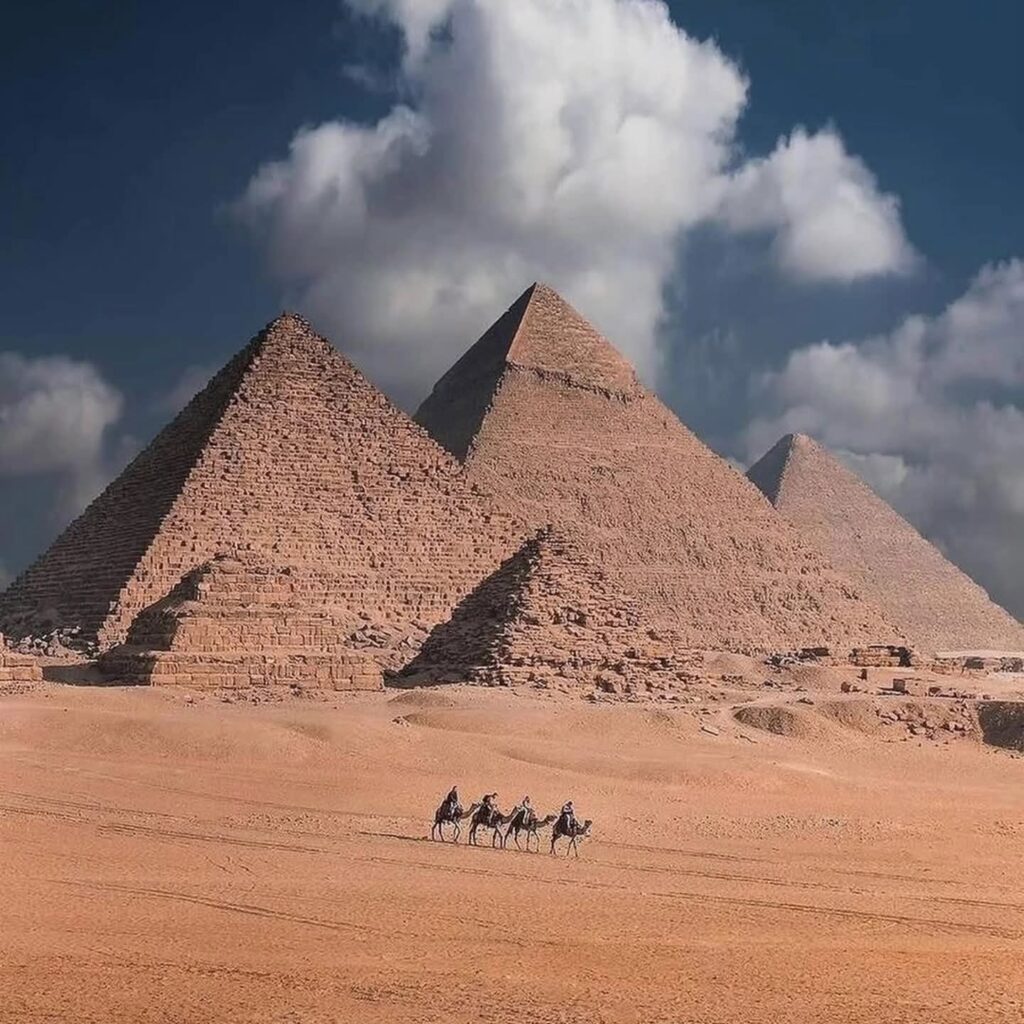
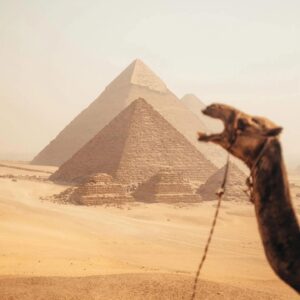
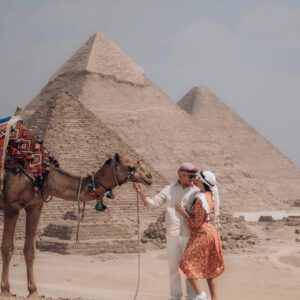
That classic angle. A camel in the foreground, the pyramid rising behind it, golden light, zero chaos. It looks like you and ancient history had a quiet moment together.
And then you arrive at Giza and realize… it’s not quiet. It’s not empty. And it’s definitely not a solo, cinematic scene unless you work for National Geographic and someone cleared the area for you.
This is not a “don’t go” article. Go. You should absolutely go.
This is more like. Go with your eyes open. Because the Giza Plateau is one of the most intense, fascinating, slightly overwhelming tourist places on earth. And tour photos, even honest ones, don’t show the full thing.
So here’s what they don’t show. The parts you’ll feel in your body, not just see through a camera.
The pyramids are basically next to a city
Most pictures crop this out.
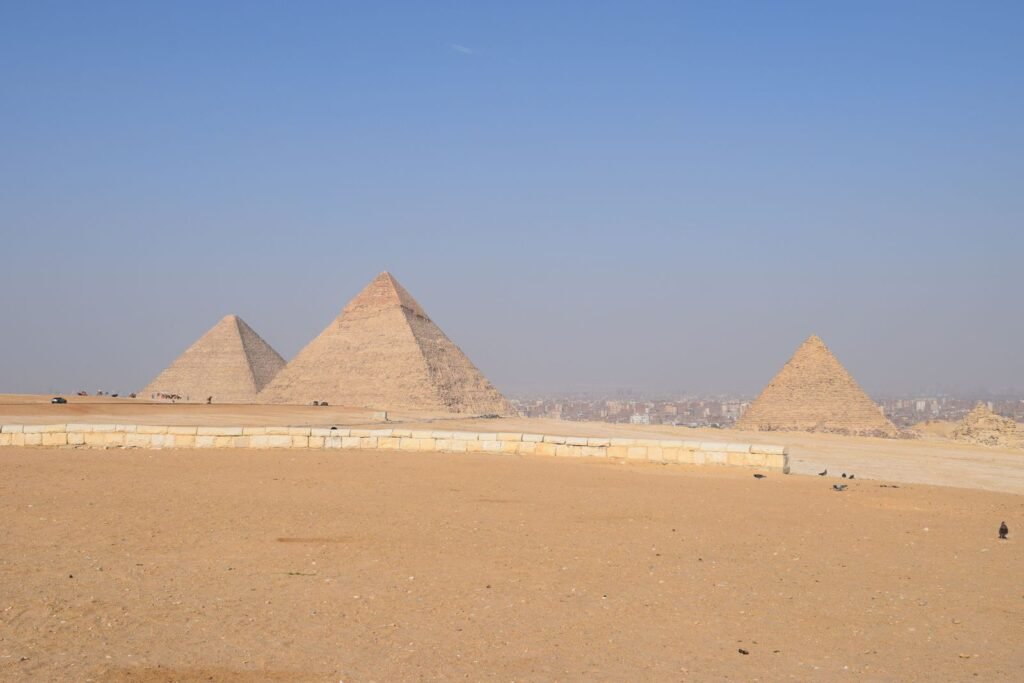
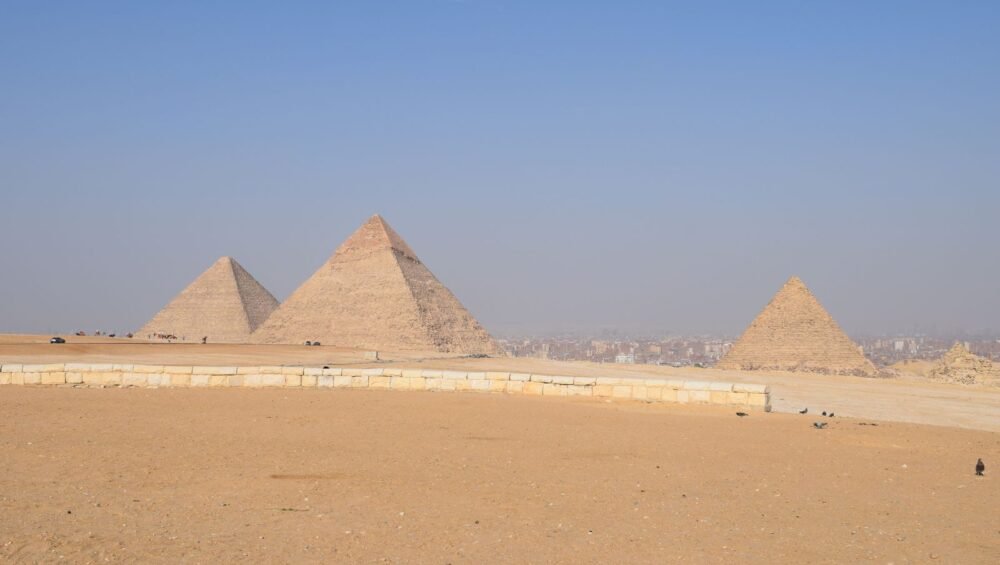
But Giza is not some remote desert ruin. It sits right on the edge of Greater Cairo. You’ll be standing there looking at a 4,500 year old monument… and if you turn your head, you’ll see buildings, roads, dust haze, and the sense that a giant city is breathing right beside the plateau.
That contrast is actually part of the experience. Ancient stone geometry. Modern urban sprawl. Same frame.
It can also mess with expectations, especially if you imagined “endless Sahara.” There is desert, yes. But it’s not the lonely postcard desert.
Stay on permitted routes and use images only when their licence and attribution requirements have been checked. A file being on Wikimedia Commons does not remove those obligations.
The “empty” viewpoint is usually… a carefully chosen moment
You know those photos where there’s no one around? That happens. But it’s not the default.
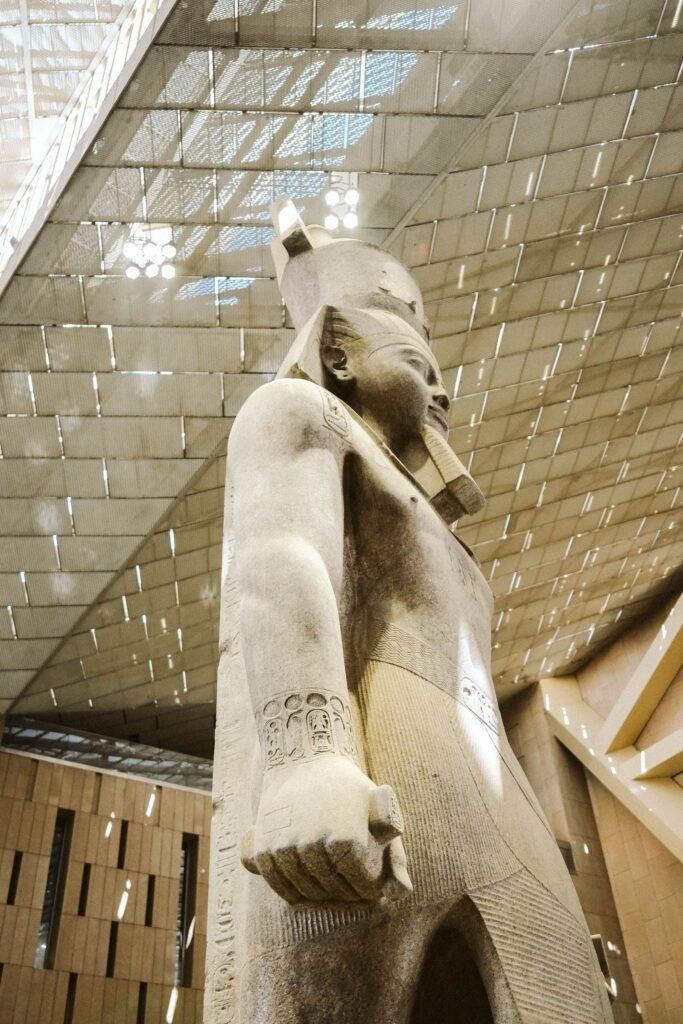
Most days, a Giza pyramids tour feels busy. There are tour groups, families, school trips, people taking selfies, people taking wedding photos, people trying to sell you things, and people standing in the exact place you want to stand.
And it’s fine. It’s normal. It’s just not what Instagram suggests.
If you want it calmer:
- Go early. Like actually early.
- Avoid major holidays and peak weekends if you can.
- Don’t linger at the first obvious viewpoint. Walk or drive deeper into the complex.
If you’re looking for a more serene experience, consider opting for historical tours during off-peak times.
The light is harsh, and it changes everything
Tour photos love sunrise and sunset for a reason.
Midday at Giza can be brutally bright. The limestone and sand bounce light everywhere. Your eyes squint. Your phone overexposes the sky. Your face looks shiny. You feel like you’re standing inside a giant beige reflector.
It also gets hot, even when the temperature doesn’t sound that crazy on paper.
Pack like you mean it:
- Sunglasses you actually like
- Sunscreen
- A hat with a brim
- Water, more than you think
- Comfortable shoes (sand and stone, always)
For a more enjoyable experience under the sun, make sure to prepare adequately for your entertainment tours as well.
It is dusty. Like, in your teeth dusty
Nobody posts “here’s the dust in my hairline” but it’s real.
The plateau is sand, stone, wind, and movement. Add traffic from buses and horses and it becomes this constant fine layer that settles on you. Not dramatic, but persistent.
If you wear black you’ll notice it fast. If you wear white, also fast. If you wear makeup, you’ll be rethinking your life choices by hour two.
Tiny hack: Bring wet wipes or tissues. You’ll use them.
With all this in mind, remember that tours often come with their own set of challenges but they also offer unique experiences that are worth every bit of hassle.
The scale is hard to understand until you’re right there
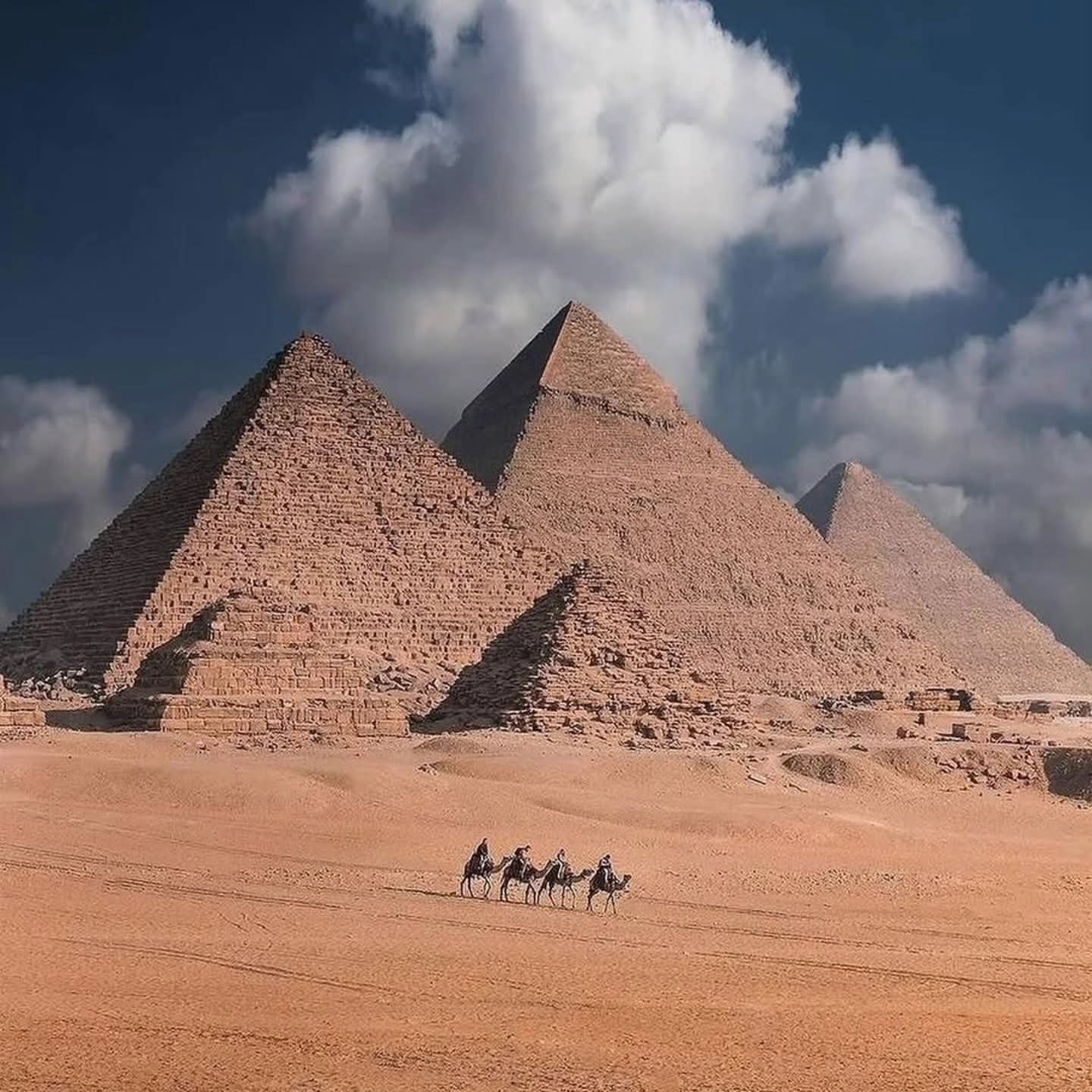
Even good photos flatten the pyramids a little. The Great Pyramid especially. In pictures it’s big, yes, but it still reads like “large object in distance.”
In person it hits different. The blocks are enormous. The edges stretch out. You get close and suddenly the geometry stops being a shape and becomes a wall. A cliff, almost.
And then you realize something else the photos don’t show. How much walking there is.
On a Giza pyramids tour, the plateau feels wider than photos suggest. If you want to see the pyramids from different sides, visit panoramic points, see the Sphinx, or go inside a pyramid, you will walk or ride between points. Either way, it takes time and energy.
The Sphinx is smaller than people expect (but more intense up close)
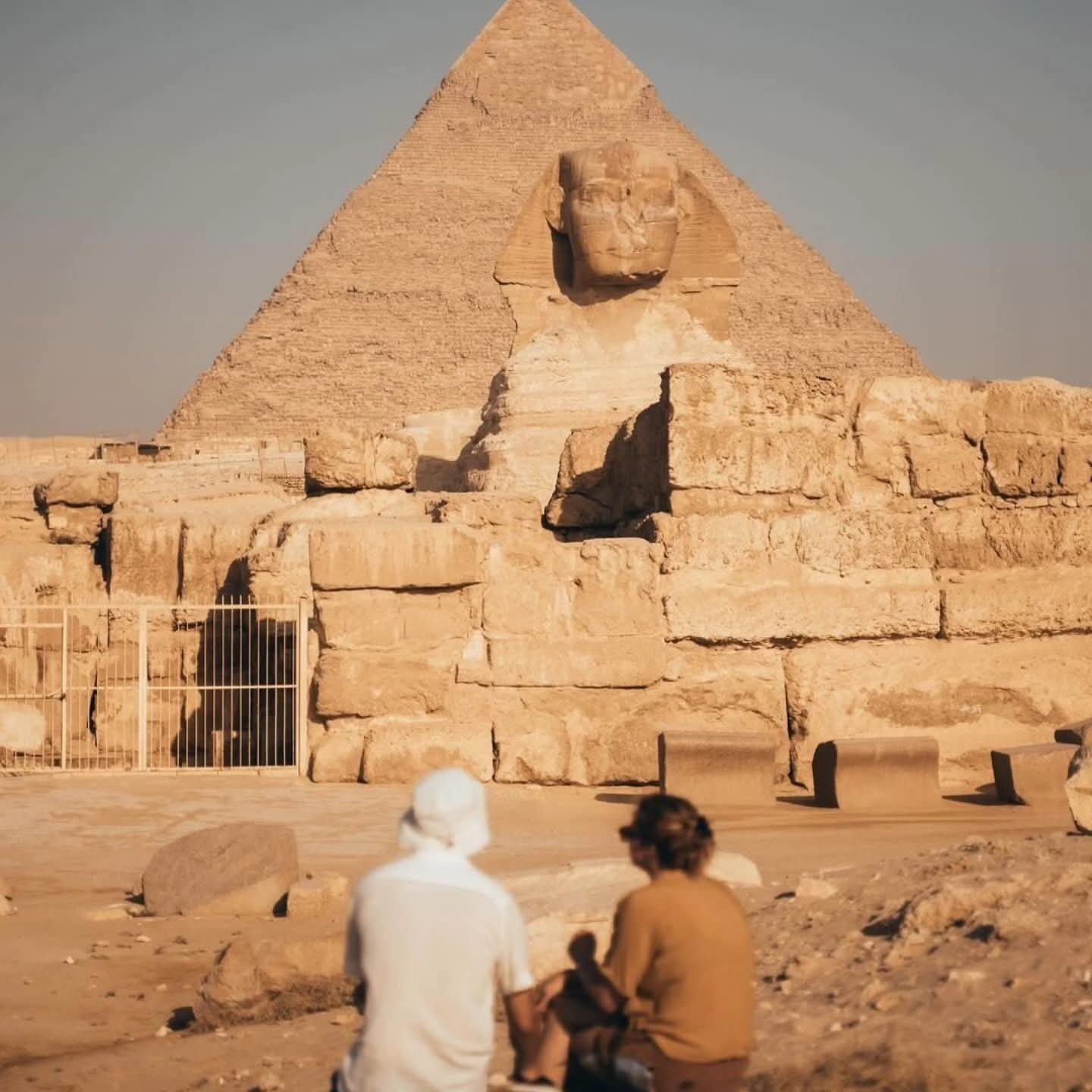
Let’s just say it.
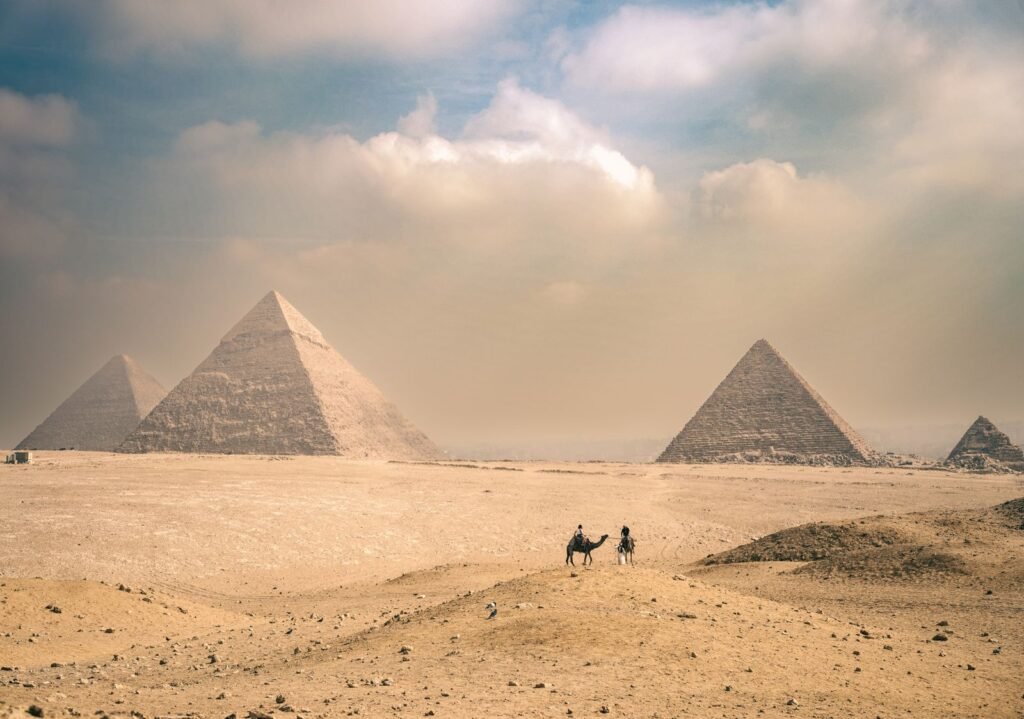
People arrive expecting the Sphinx to be… taller. More towering. More “how is this even possible.”
It’s still incredible. It’s also partially restored and set in a lower area, so the first view can feel like, “oh, that’s it?”
Then you get closer and you notice the face. The expression. The erosion lines. The weird feeling of it staring past you. The fact that you’re looking at something that old and it still has a presence.
Photos don’t capture that presence well. They capture shape. Not mood.
Inside the pyramids is not glamorous
A lot of tour photos imply that going inside is this mystical Indiana Jones moment.
It can be fascinating. It can also be… a cramped workout.
The internal passages are narrow, low, and steep in sections. You’re shuffling with other visitors. The air can feel warm and a bit stale. If you’re claustrophobic, you’ll know quickly.
Also, there isn’t treasure inside. The chambers are mostly empty. The point is the experience of being inside a structure that ancient, and understanding the engineering in a physical way.
Practical point: If your time is limited, you do not have to go inside to have a rewarding Giza day. Many visitors choose to enjoy the monuments from outside and use the extra time for viewpoints and context.
The animals are real, and so are the ethical questions
Camels and horses are a huge part of the Giza tourism scene. And yes, camel photos look iconic. No denying that.
But photos don’t show what’s behind them. The conditions vary. Some handlers treat animals better than others. Some animals look tired. Some look well cared for. It’s mixed. And it can be uncomfortable to witness.
If you do choose to ride:
- Choose carefully. Don’t be pressured.
- Be clear on price and duration before you get on.
- If the animal looks unwell or mistreated, walk away. Full stop.
If you’d rather avoid the whole thing, you can still get fantastic photos without riding anything. A guided Giza pyramids tour with a vehicle can give you the main viewpoints without using an animal ride.
The “hustle” is part of the atmosphere (and it can be exhausting)
This is probably the biggest mismatch between photos and reality.
At Giza, you’ll likely be approached. A lot.
- “Camel ride?”
- “Best price for you.”
- “I show you secret spot.”
- “Photo?”
- “Guide?”
- “Papyrus?”
- “Ticket?”
- “Police?”
Some are friendly. Some are persistent. Some are genuinely helpful. Some are not.
It’s not dangerous in the way people fear. But it can be tiring, especially if you’re not used to it.
What works:
- A calm, firm “La shukran” (No thank you).
- Don’t debate, don’t explain, don’t negotiate unless you want the service.
- Keep walking.
- If you’re with a licensed guide, the noise drops dramatically.
This is one reason many travelers book a structured day tour instead of arriving solo. Not because solo is impossible. Just because the mental load is real.
If you’re coming from the Red Sea and doing it as a day trip, having everything organized helps even more. This is exactly the kind of experience Hurghada Travels is built around, especially for travelers who want Cairo and Giza without the constant “what do I do next?” feeling.
The best photos are not where everyone stops first
There’s a spot. The one all the buses hit. And everyone piles out, takes the same picture, and moves on.
But the plateau has layers. Angles. Quiet corners. Places where the pyramids line up in a way that looks unreal.
Your best shots usually come from:
- The panoramic viewpoint area (where you can see multiple pyramids in one frame)
- Slightly off the main path
- Moments when you pause and let groups pass
- Early morning light when the stone looks softer
And if you want that “camel silhouette with pyramids” look, it’s often done at specific points with the sun behind, and with someone who knows the timing.
That’s not cheating. That’s just knowing the place.
You might feel more emotion than you expect. Or less. Both are normal.
This is another thing photos don’t show. The internal experience.
Some people arrive and feel chills. Like a sudden wave of, “I can’t believe humans built this.” They get quiet. They look up for a long time.
Other people arrive and feel distracted. Heat, noise, crowds, pressure, logistics. And they think, “Why am I not feeling the magic?”
Both reactions are common. Neither means you’re doing it wrong.
Sometimes the awe hits later. Like when you’re back at the hotel, scrolling through your pictures, and you realize what you were standing next to.
Or it hits in a small detail. The way the stone is fitted. The way sound travels. The way the Sphinx looks at dusk.
The truth: it’s a whole ecosystem, not a postcard
A Giza pyramids tour is not just three pyramids and a statue. The plateau is an active tourist ecosystem with rules, rhythms, entrances, security points, vendors, animals, guides, and a constant flow of people trying to make a living.
Tour photos flatten all of that into one clean moment.
But when you see the full thing, it becomes more human. Messier. Real. And honestly, more interesting.
Ancient wonders don’t exist in a vacuum. They exist in the present.
How to have a better Giza day (without overplanning your life)
If you’re the kind of traveler who likes a simple checklist, here’s one that actually helps:
- Start early (less heat, fewer crowds, better photos)
- Bring water and sun protection
- Decide ahead of time if you want to go inside a pyramid (it’s effort)
- Set boundaries with vendors. Polite, firm, move on
- Use a licensed guide if you want context and less hassle
- Leave time for the panoramic viewpoint. Don’t rush it
If you’re coming from Hurghada, El Gouna, Makadi Bay, or Sahl Hasheesh, booking a well-timed Giza pyramids tour can take a lot off your plate. Transportation, ticket guidance, an Egyptologist explaining what you’re looking at, and a smoother route through Cairo traffic can make the day easier.
That’s basically why Hurghada Travels exists. Fast booking, clear pricing, proper guided experiences like their Cairo over day visit or Grand Egyptian Museum tour, and you’re not stuck figuring it all out on the sidewalk.
Just keep it simple. Pick the day that fits your energy level. Private if you want calm. Group if you want budget.
One last thing
If you are deciding whether the long journey is right for you, read Is a Cairo Day Trip from Hurghada Worth It?. Families can also use the Cairo Day Trip from Hurghada with Kids guide before choosing a road, mini bus, private or flight format.
If your Giza day feels a little chaotic, a little dusty, a little louder than expected. Good. That means you’re seeing the real place, not just the cropped version.
And somewhere in the middle of all that, you’ll probably get your photo too. The one where the angle is right, the crowd falls out of frame, and for a second it really does feel like it’s just you and the pyramids.
That moment is real.
It’s just not the whole story.
Cairo planning and booking links
- Egyptian Museum vs Grand Egyptian Museum
- Hurghada Excursions for Seniors
- Accessible Excursions in Hurghada
- Experience Egypt — Giza & Ancient Wonders — official information, not a competitor tour site.
Questions before you book
How much walking should I expect on a Giza pyramids tour?
It depends on the route, viewpoints and whether transport is used between stops. Expect uneven stone, sand and open ground, and tell the operator about mobility limits before booking.
Is a Giza pyramids tour suitable for young children?
Many families visit successfully, but heat, walking, crowds and a long Cairo day can be tiring. Bring water, sun protection and familiar snacks, and choose the transport format according to the child’s age and routine.
Can I use a stroller on a Giza pyramids tour?
A lightweight stroller may help in some areas, but uneven surfaces and steps can limit where it works. Ask about the exact route if stroller access is important.
When is the best time for photos on a Giza pyramids tour?
Earlier visits often provide softer light and can reduce heat and crowd pressure. Conditions change by season and operating schedule, so plan around the confirmed tour timing rather than a fixed photo promise.
Are panoramic viewpoints included on every Giza pyramids tour?
Do not assume so. Confirm the stops listed in your specific package, especially if the multi-pyramid panorama is important to you.
Do I need to ride a camel on a Giza pyramids tour?
No. You can photograph the pyramids from several viewpoints without an animal ride. Camel or horse rides should be treated as optional and agreed separately.
How should I handle persistent sellers or optional-service offers?
Stay polite and firm, ask the guide when uncertain, and confirm any price before accepting a service. You do not need to buy something simply because it is offered.
Is entry inside a pyramid suitable for everyone?
No. Interior routes can involve narrow, enclosed and steep sections. Travelers with claustrophobia, mobility limitations or some health concerns may prefer to enjoy the monuments from outside.
What shoes are best for a Giza pyramids tour?
Choose comfortable closed or secure walking shoes with good grip. Sand, stone, uneven surfaces and long periods on your feet matter more than appearance.
What should I bring for heat and dust on a Giza pyramids tour?
Bring water, sunscreen, a hat, sunglasses, tissues or wipes and any personal medication. A light layer can also help during air-conditioned transfers.
Can I combine a Giza pyramids tour with GEM or the Egyptian Museum in Tahrir?
Yes, but they are different tour formats. Choose the package that names the museum you want and confirm the available sightseeing time rather than assuming both museums are included.
Should I schedule another early excursion the next morning?
A road-based Cairo and Giza day can return late. Leaving the following morning flexible can make the overall holiday more comfortable.
Should I visit Giza on the same day as an international flight home?
A tight connection is risky because traffic, checkpoints and operational changes can delay the return. Leave a suitable buffer before an international departure.
Does a Giza ticket include the Great Pyramid interior?
The official Giza Plateau listing separates area admission from pyramid-interior tickets. Confirm the additional ticket and whether your itinerary leaves enough time.
Is the entire visit accessible without steps or uneven ground?
Do not assume this. Explain mobility needs in advance and ask the operator about the vehicle, paths and exact stops.