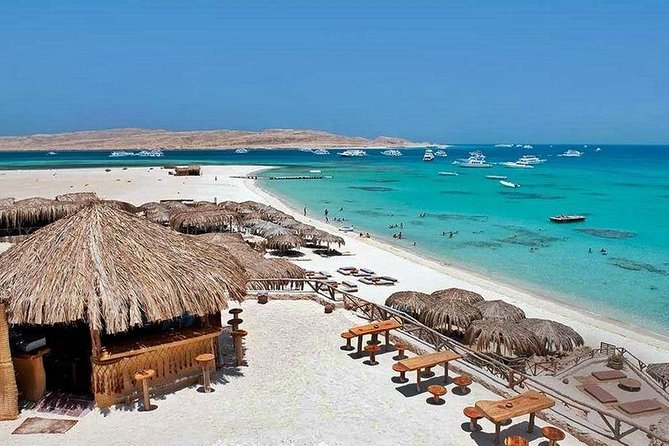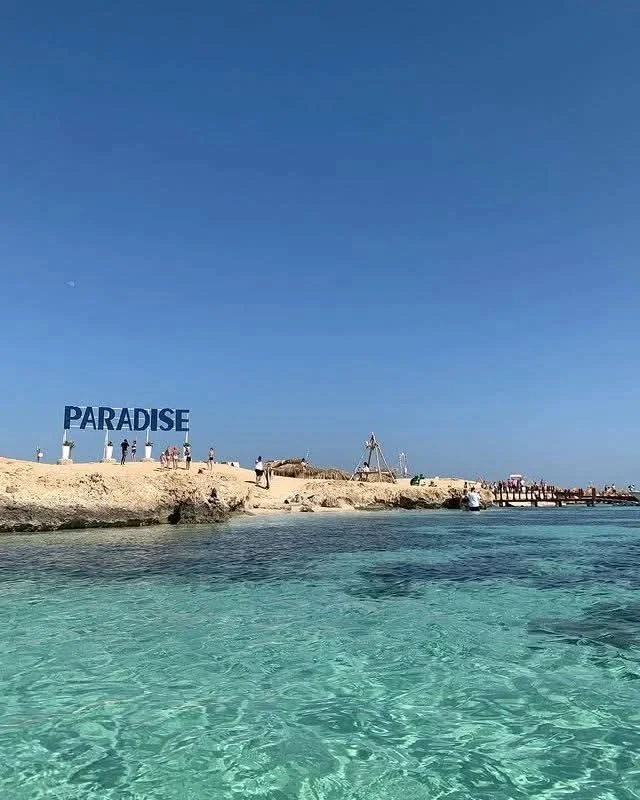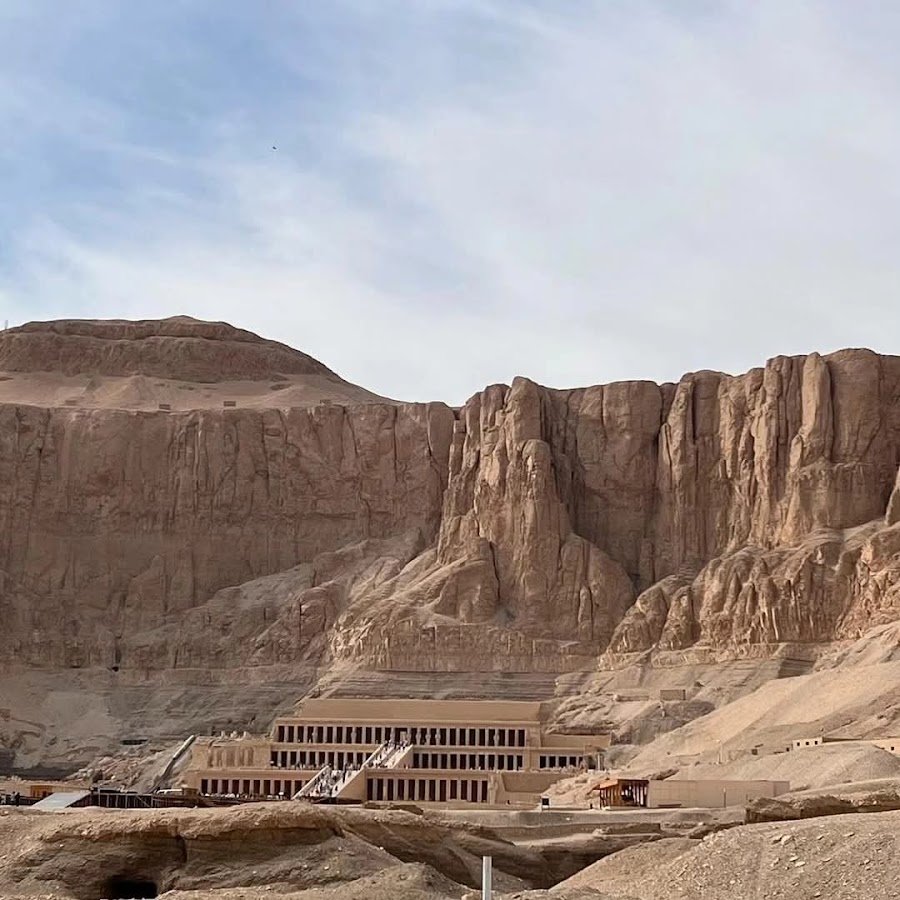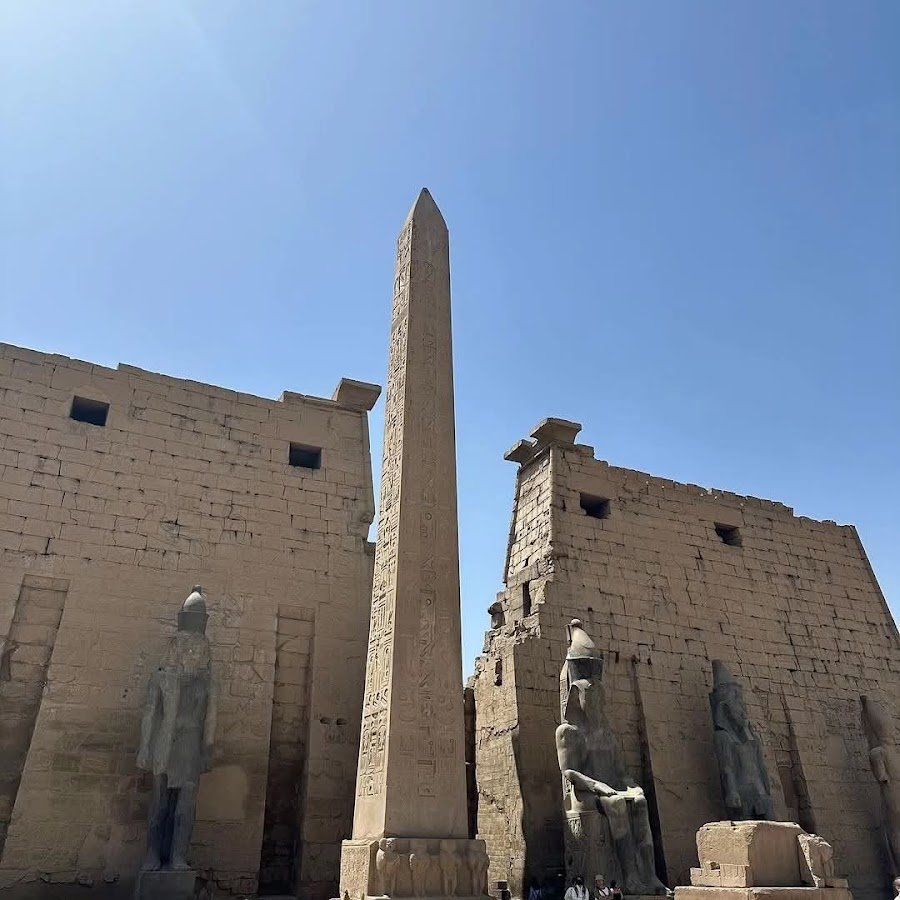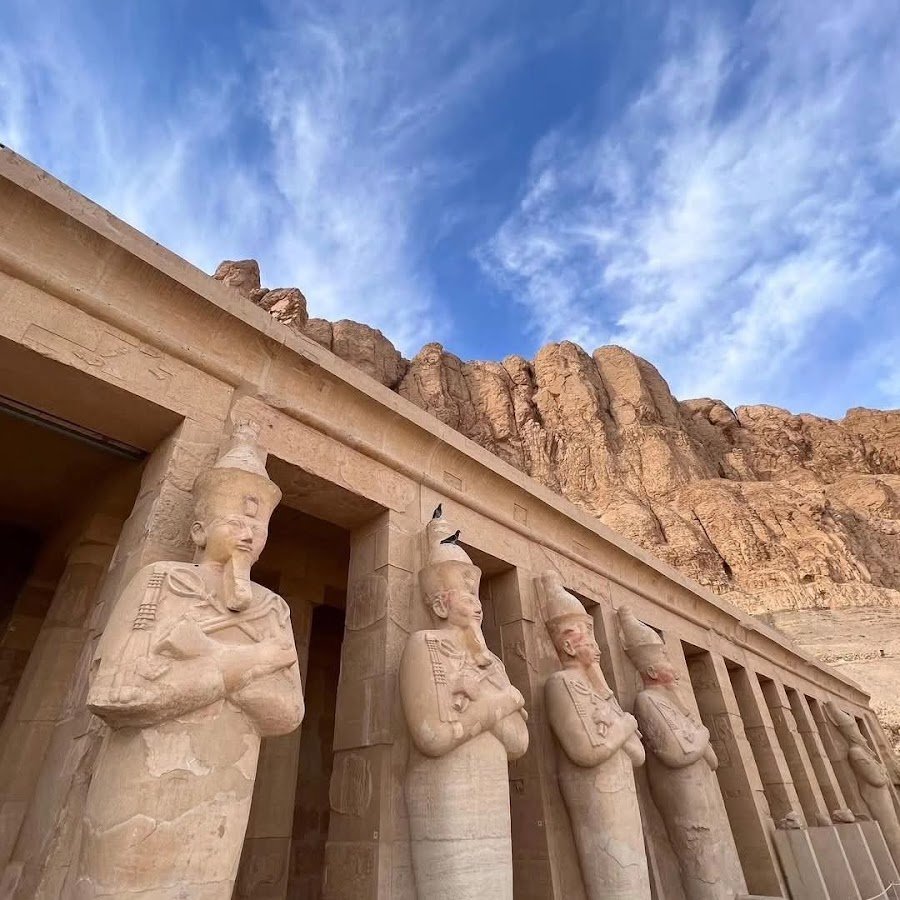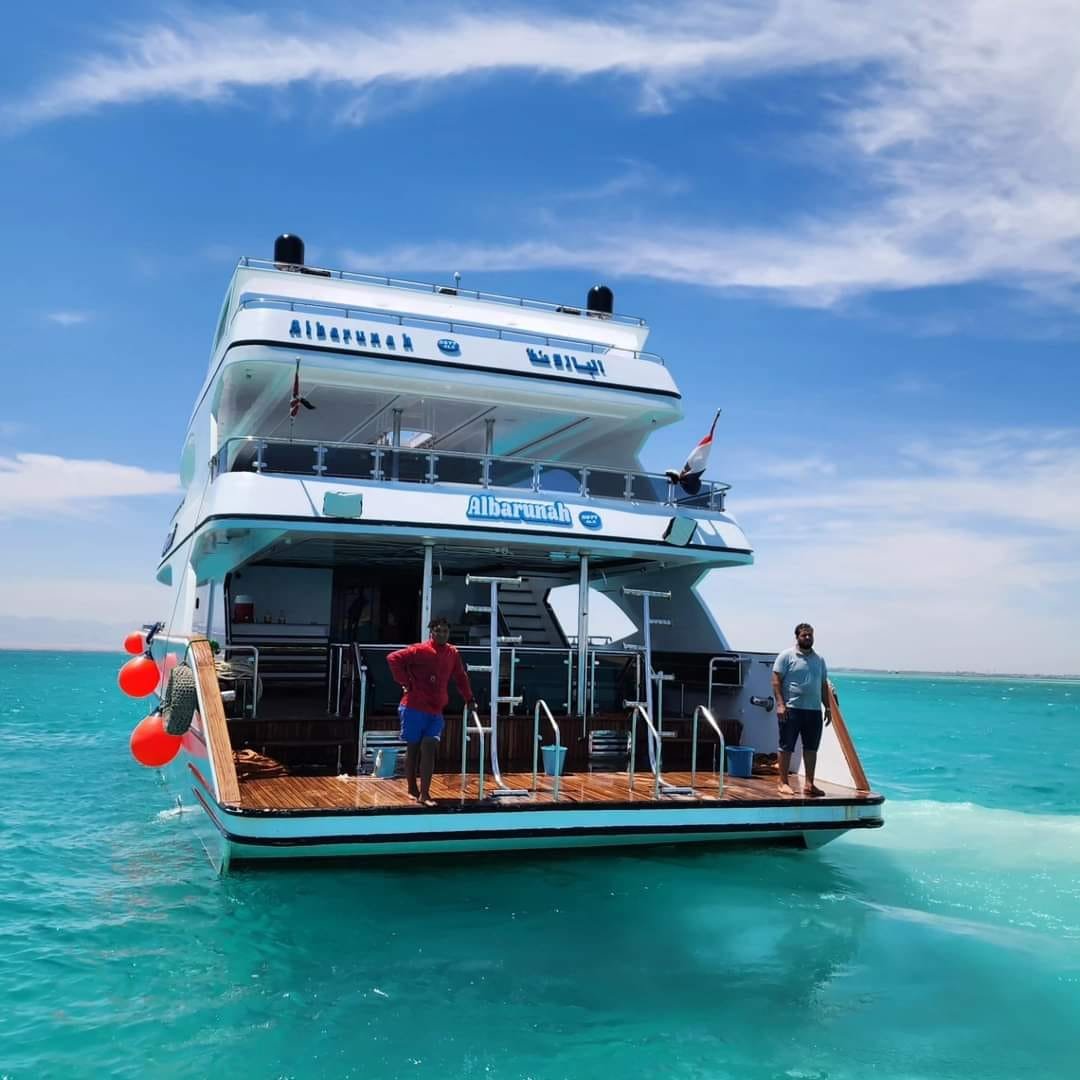

Hurghada Red Sea aerial view with beaches and resorts

Hurghada Weather by Month 2027: 12 Best Travel Tips
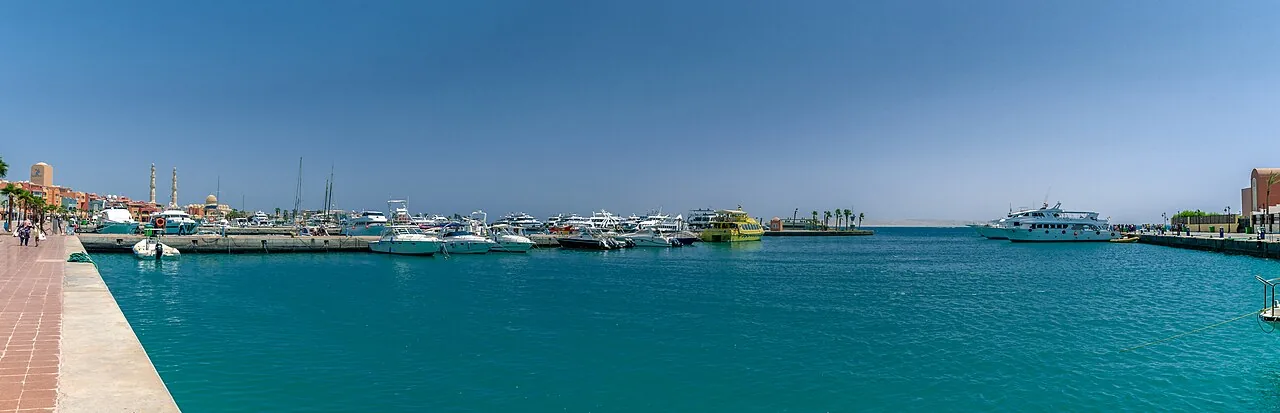
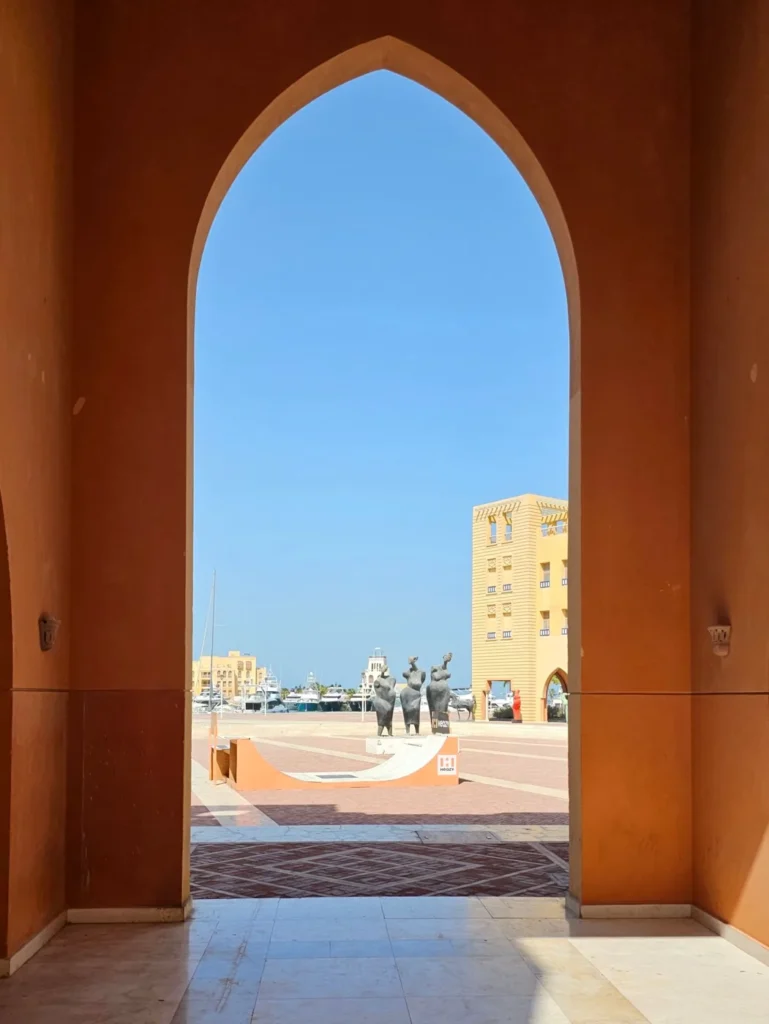
Hurghada Marina panorama for Hurghada Weather by Month 2027
Hurghada Marina and the Red Sea coast.

Hurghada Weather by Month changes more than many first-time visitors expect. Hurghada is sunny and dry for most of the year, but January is very different from August, and the best month depends on whether you care most about swimming, snorkeling, diving, safari, Cairo, Luxor, family comfort or simply avoiding extreme heat.

This 2027 guide brings the full Hurghada Weather by Month series together in one place. Use this Hurghada Weather by Month resource for seasonal planning, then open the detailed monthly guide for your exact travel month. The temperatures below are long-term planning ranges, not a forecast for a specific day.

Hurghada Weather by Month 2027: quick answer

  • Coolest period: December to February.
  • Most comfortable for Luxor, Cairo and safari: roughly November to March.
  • Strong balance of beach + sightseeing: April, May, September and October.
  • Warmest sea: July, August and September.
  • Peak heat: July and August.
  • Rain: rare throughout the year.
  • Wind matters most: especially in winter and on boat trips.

Book Hurghada excursions for your month

Useful Hurghada planning guides

Hurghada Weather by Month: 12-month table

Month Day Night Sea Best for
January 20–22°C 10–13°C ~23°C Luxor, Cairo, safari, winter sun
February 21–22°C 11–14°C 22–23°C Sightseeing, safari, diving
March 24–26°C 15–17°C 22–23°C Luxor, Cairo, safari, mixed trips
April 26–28°C 18–20°C ~23°C Beach + sightseeing balance
May 30–33°C 22–23°C 24.5–25°C Swimming, snorkeling, diving
June 33–35°C 25–26°C ~26°C Boat trips, diving, warm evenings
July ~34°C ~27°C ~28°C Warm sea, snorkeling, diving
August 34–36°C 26–28°C 28.5–29°C Warmest sea, resort and boat days
September 32–33°C 24–26°C ~28°C Warm sea + easier excursions
October 30–32°C 22–24°C ~27°C Sea + Luxor/Cairo balance
November 26–27°C 16–19°C 25.5–26°C Sightseeing, diving, safari
December 21–23°C 15–18°C 24–25°C Winter sun, Cairo, Luxor, safari

Important: these Hurghada weather by month figures are planning ranges. Wind, local conditions and the exact week can change how a day feels.
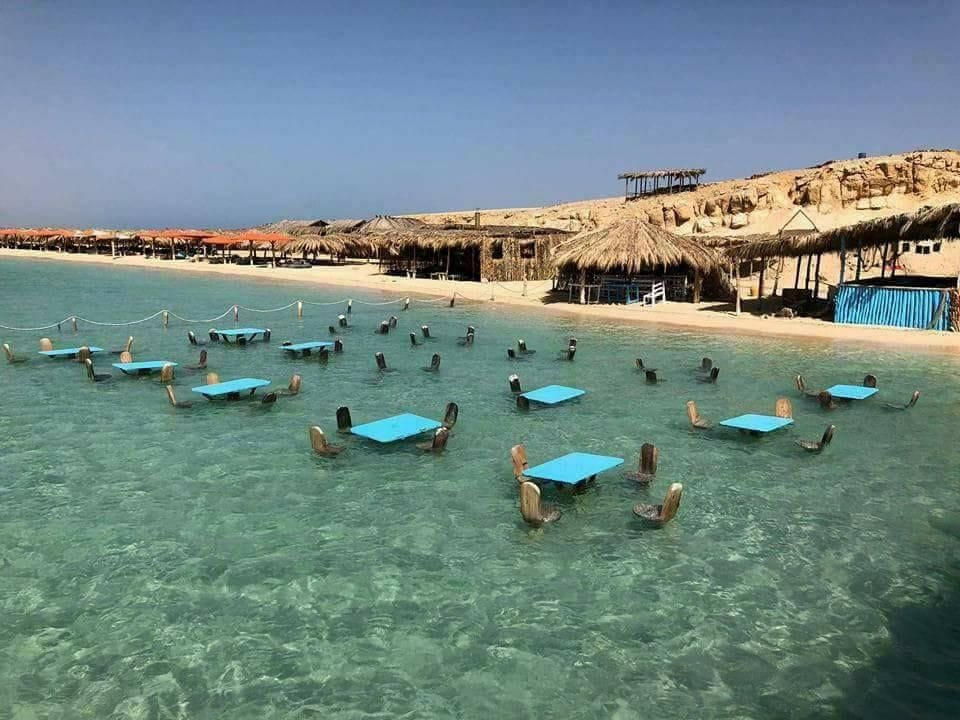
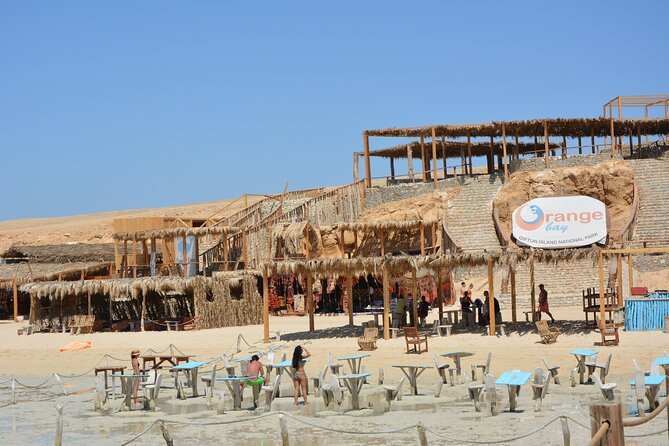
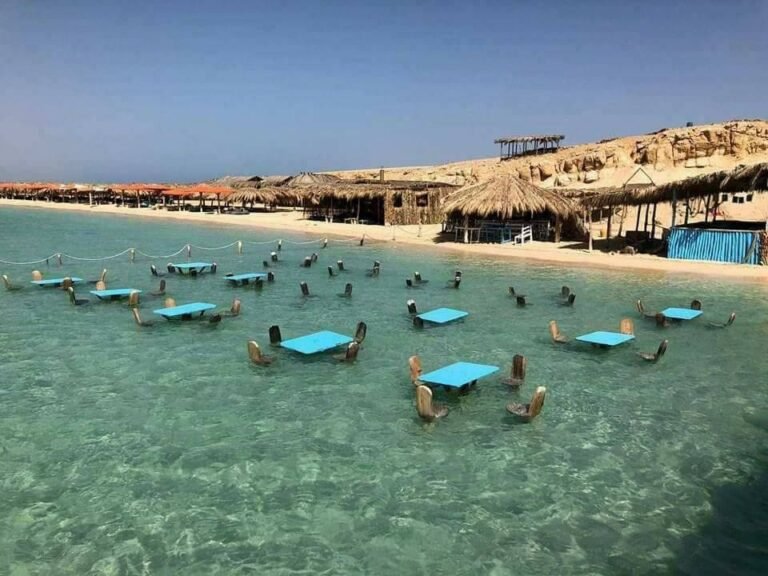
Hurghada Weather by Month with calm Red Sea conditions at Orange Bay
The Red Sea changes slowly through the year, so sea temperature often matters as much as daytime air temperature.

How to choose the right month for your trip

The easiest way to use this Hurghada Weather by Month guide is to start with the activity you care about most. Hurghada Weather by Month planning works best when you match the season to the activity rather than choosing by temperature alone.

For swimming and snorkeling

May through October gives the warmest combination of air and sea. July, August and September have especially warm water. April and November still work very well for many swimmers but feel less intense on land.

For diving

Diving operates year-round. Winter requires more attention to exposure protection, while late spring through autumn offers warmer surface conditions and warmer water.

For Luxor and Cairo

November through March is easiest for long days outdoors. April and October are also strong mixed-activity months. June through August can be demanding, particularly in Luxor, where inland heat is stronger than on the Red Sea coast.

For safari and quad biking

Winter and shoulder seasons are easiest. Summer safari still runs, but later-afternoon and sunset programs are more comfortable than exposed midday riding.
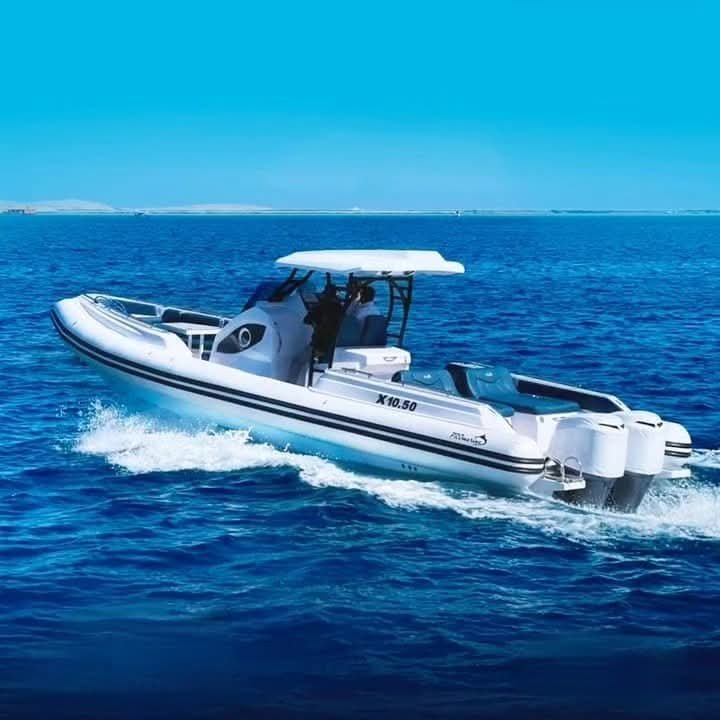
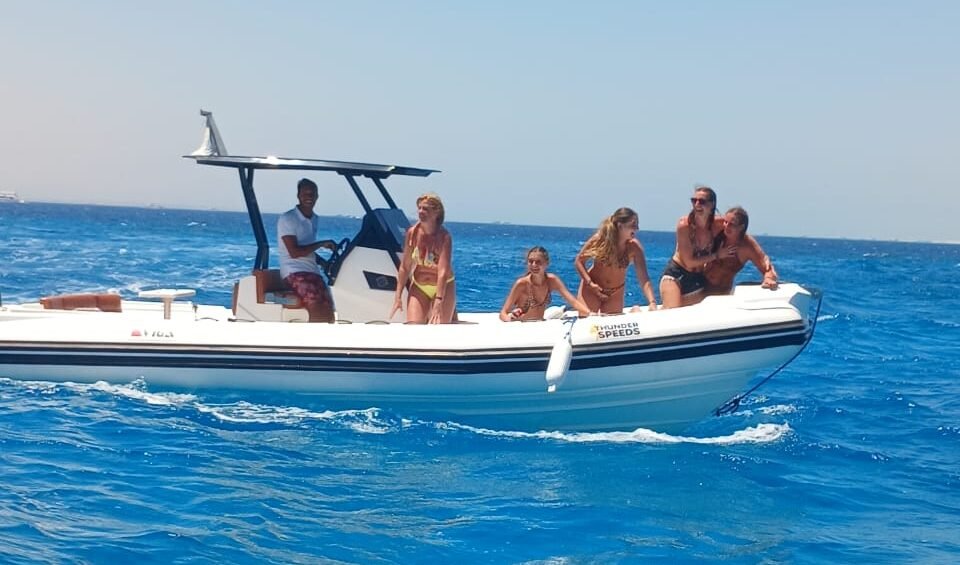
Private speedboat for planning Hurghada Weather by Month
Boat comfort depends on both temperature and wind, especially in winter and early spring.

Winter: December, January and February

Hurghada Weather by Month is coolest from December through February. The days are usually sunny and mild, but evenings can feel cool and wind matters more on boats.

This is an excellent period for Cairo, Luxor and safari. Swimming is still possible, but personal cold tolerance matters more. Some hotel pools are heated in winter; confirm with the hotel instead of assuming every pool is heated.

Spring: March, April and May

March begins the warming transition. April brings a clear step up in beach comfort, and May feels much closer to summer.

For travelers who want several different activities in one holiday, spring is extremely practical. You can combine sea trips, safari and cultural excursions without peak-summer heat.

Snorkeling conditions in spring for Hurghada Weather by Month
Spring steadily improves snorkeling comfort as the air warms and the Red Sea begins warming again.

Summer: June, July and August

Summer means hot days, warm nights, extreme UV and very warm sea temperatures. This is the strongest period for travelers who want swimming, snorkeling, diving and long boat days.

The trade-off is heat on land. Luxor and safari become much more demanding, and even Cairo needs smarter pacing. Early morning, shade, hydration and air-conditioned transport matter far more in summer.

Summer desert safari planning in Hurghada Weather by Month
Summer safari is possible, but later departures are generally easier than exposed midday riding.

Autumn: September, October and November

Autumn is one of the strongest all-round periods in the Hurghada Weather by Month calendar. September keeps an almost summer-warm sea while land temperatures begin easing. October balances warm sea with easier sightseeing. November remains pleasant while evenings become cooler.

This is a very practical season for visitors who want Orange Bay, Dolphin House or diving plus one or two long cultural excursions.

Hurghada Weather by Month for Orange Bay and Dolphin House

Orange Bay and Dolphin House operate throughout much of the year when sea conditions allow. The biggest seasonal differences are water temperature, wind and how comfortable you feel after leaving the sea.

Late spring through autumn is easiest for guests who dislike cool water. Winter trips remain possible, but take a dry layer for the boat and expect wind to matter more.

Hurghada Weather by Month for Luxor

Luxor is inland and normally feels hotter than Hurghada. That difference becomes especially important in summer.

November through March is the easiest period for full-day archaeological sightseeing. April and October are still very practical. May is warmer, while June through August require stronger heat tolerance, hydration and shade planning.
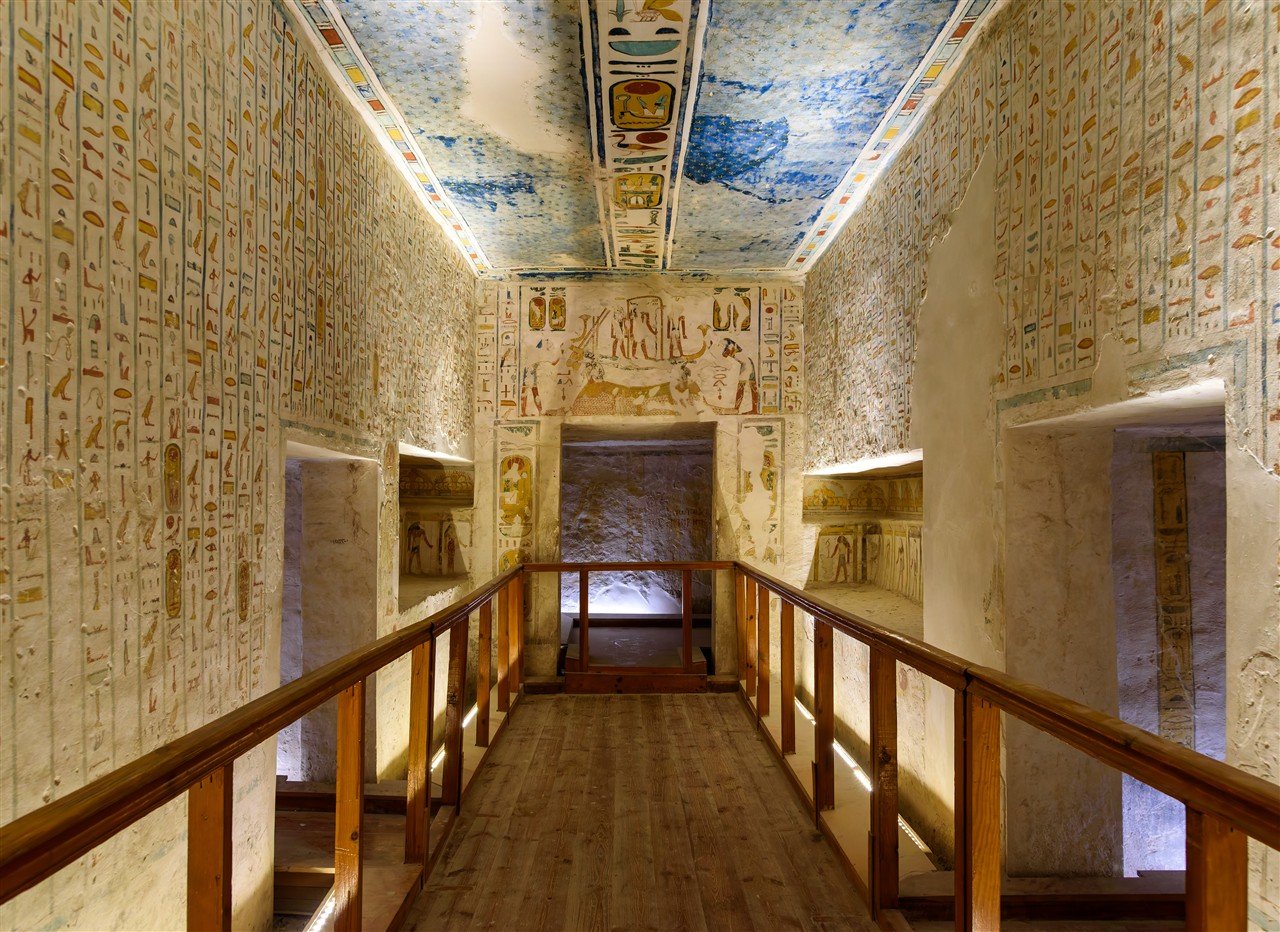
Luxor sightseeing when comparing Hurghada Weather by Month
Luxor timing matters more in summer because many archaeological sites are exposed to direct sun.

Hurghada Weather by Month for Cairo and Giza

Cairo is also easier in the cooler months, but air-conditioned transport and museum time make hot-season trips more manageable than long exposed desert sightseeing.

Winter, spring and autumn offer the best comfort balance. In summer, use shade, water and indoor stops such as the Grand Egyptian Museum to break up the heat.

Cairo day trip transport in the Hurghada Weather by Month guide
Air-conditioned transport and indoor museum stops are especially valuable for Cairo trips in hotter months.

What to pack by season

December to February

  • Light jacket or hoodie.
  • Long trousers for evenings.
  • Wind-resistant layer for boat trips.
  • Swimwear and sunscreen.
  • Optional thermal protection for long snorkeling sessions.

March to May

  • Light daytime clothing.
  • Swimwear.
  • High-SPF sunscreen.
  • Hat and sunglasses.
  • One thin layer for March evenings or boat wind.

June to September

  • Very light breathable clothes.
  • High-SPF sunscreen.
  • Wide-brim hat or cap.
  • Sunglasses.
  • Reusable water bottle if practical.
  • Light long-sleeve layer for sun protection.

October and November

  • Summer clothing for daytime.
  • Swimwear.
  • Sunscreen and hat.
  • Thin evening layer, especially later in November.

Hurghada Weather by Month for families

Hurghada Weather by Month matters differently for families than for solo travelers. In summer, the main issue is heat and UV: plan shade, hats, sunscreen and frequent water breaks. In winter, children may enjoy daytime sun but feel cold faster after swimming, so dry clothes and a light layer become more important.

For families combining beach days with Cairo or Luxor, April, October and November are especially practical because the weather supports both sea activities and longer sightseeing without peak-summer heat.

Hurghada Weather by Month for boat trips

Hurghada Weather by Month affects boat comfort through both air temperature and wind. Winter and early spring can feel cool after snorkeling even when the sun is bright. From late spring through autumn, warmer air and sea temperatures make long boat days easier for most guests.

Hurghada Weather by Month for Red Sea water activities and boat trips
Boat-trip comfort changes through the year as air temperature, sea temperature and wind change together.

Hurghada Weather by Month: wind, rain and the real feel

Hurghada Weather by Month cannot be understood from temperature alone. Wind can make a winter boat trip feel much cooler, while summer sea breeze can make very hot air feel more comfortable. Rain is rare throughout the year, so wind and sun exposure normally matter more than rainfall for excursion planning.

Always check the short-term forecast for your dates and follow the operator’s instructions if sea or wind conditions affect a planned trip.

How Hurghada changes from one month to the next

Hurghada Weather by Month follows a clear annual cycle, but the sea changes more slowly than the air. January and February have the coolest air and the coolest water. March starts the spring transition, while April and May bring a rapid rise in daytime warmth. By June, summer is established and the Red Sea becomes increasingly comfortable for long swimming and snorkeling sessions.

July and August are peak-summer months. The air is hottest, nights stay warm and the sea reaches its warmest part of the year. September is important because the sea stays very warm while land temperatures begin to ease. October continues that transition, which is why many travelers like it for combining Red Sea activities with Cairo, Luxor or safari.

November moves toward the cooler season without becoming cold. December then brings mild winter-sun conditions, cooler evenings and a greater chance that wind will affect boat comfort. Looking at Hurghada Weather by Month as a cycle is more useful than judging one temperature number in isolation.

Which Hurghada month suits your travel style?

If you want a mostly beach-and-sea holiday, focus on late spring through early autumn. May, June, July, August, September and October all offer strong swimming conditions, with July through September giving the warmest water. If you prefer very warm sea but want less intense land heat, September is especially practical.

If your holiday includes Luxor, Cairo, safari and only a few beach days, the cooler half of the Hurghada Weather by Month calendar is easier. November, December, January, February and March reduce the heat burden on long outdoor sightseeing days. April and October sit between the two extremes and work well for mixed itineraries.

Families with young children often prefer months that avoid both winter wind and peak summer heat. April, May, October and November are useful compromises. Travelers who feel cold easily may prefer May through October for swimming, while travelers who dislike strong heat may prefer November through April.

For couples who want private boats, island trips and outdoor dinners, April, May, September and October offer long usable days with comfortable evenings. For dedicated divers, the choice is less restrictive because diving runs year-round; the main change is thermal protection and surface comfort.

How to use Hurghada Weather by Month before booking

Start with your travel dates, then open the detailed monthly guide linked in the table above. Check the likely air temperature, sea temperature, wind and the activities you plan to do. Next, compare the short-term forecast a few days before travel. Finally, confirm pickup times and any weather-dependent changes with the operator.

Hurghada Weather by Month is most useful for choosing the right type of itinerary. A winter week may favor Luxor, Cairo and safari with one sea day; a summer week may favor several boat or diving days with fewer long inland excursions. Spring and autumn make it easier to combine both.

Hurghada Weather by Month FAQs

What is the hottest month in Hurghada?

July and August are generally the hottest period, with August often at or near the annual peak depending on the climate dataset.

What is the coolest month in Hurghada?

January is generally the coolest month by average air temperature.

What month has the warmest sea in Hurghada?

August is usually at or near the warmest annual Red Sea temperature, with July and September also very warm.

What month has the coolest sea?

Late winter, especially February, is normally near the annual minimum sea temperature.

Can you swim in Hurghada all year?

Many visitors do, but comfort varies. Winter sea temperatures feel cool to some people, while summer water is very warm.

When is Hurghada best for snorkeling?

Snorkeling runs year-round when sea conditions are suitable. Late spring through autumn is easiest for guests who prioritize warm water.

When is Hurghada best for diving?

Diving is year-round. Warmer months offer warmer surface and water conditions; winter can be excellent but usually requires more thermal protection.

When is the best time for Orange Bay?

Spring and autumn offer a strong balance of warm water and comfortable air. Summer is hotter, while winter can be cooler and windier.

When is the best time for Dolphin House?

Sea comfort is strongest from late spring through autumn, but Dolphin House can operate in other months when conditions are suitable. Dolphin sightings are never guaranteed.

When is the best time for Luxor from Hurghada?

November through March is the easiest period for long outdoor sightseeing. April and October are also comfortable for many travelers.

When is the best time for Cairo from Hurghada?

Cooler months are easiest, but Cairo remains possible year-round because the day includes transport and indoor attractions as well as outdoor stops.

When is the best time for desert safari?

Autumn, winter and spring are easiest. Summer safari is possible, but late-afternoon programs are usually more comfortable.

Is Hurghada windy in winter?

It can be. Wind often affects comfort more than rain, especially on exposed boats and after swimming.

Does Hurghada get much rain?

No. Hurghada has an arid desert climate and rain is rare throughout the year.

Do I need a jacket in Hurghada?

In winter, yes—a light jacket or hoodie is useful. In summer, jackets are usually unnecessary except for strong air-conditioning.

Is Hurghada too hot in July and August?

For some travelers, yes. Sea activities are easier than inland sightseeing during peak summer. Heat tolerance varies by person.

Is September still hot in Hurghada?

Yes, but temperatures ease through the month while the Red Sea remains very warm.

Is October warm enough for swimming?

Yes. The Red Sea is usually still around 27°C and comfortable for most swimmers.

Is December warm enough for a beach holiday?

It is mild and sunny, but not peak-summer hot. Swimming comfort depends on personal tolerance, wind and the exact day.

Are hotel pools heated in winter?

Some hotels heat selected pools, but policies vary. Confirm directly with your hotel before booking.

Do children need different planning by month?

Yes. In summer, shade, hydration and UV protection are essential. In winter, dry warm layers after swimming can matter more.

Do older travelers need to avoid summer?

Not necessarily, but heat tolerance matters. Resort and boat holidays can be manageable, while Luxor, safari and long midday walks are more demanding.

Are these monthly temperatures a forecast?

No. This Hurghada Weather by Month guide uses long-term planning ranges. Always check the short-term forecast for your actual travel dates.

Official weather and travel information

Before travel, check current conditions using the World Meteorological Organization World Weather Information Service. Egypt’s official tourism portal also provides general visitor information at Experience Egypt.

Choose your month and plan your trip

The purpose of this Hurghada Weather by Month page is to help you choose the right balance of sea temperature, daytime heat and sightseeing comfort. Once you know your month, open the detailed monthly guide above and match it with the excursions you want to book. This keeps your Hurghada Weather by Month plan practical and specific to your dates.

Need help choosing excursions for your dates? Message Hurghada Travels on WhatsApp with your hotel, travel dates and group size.
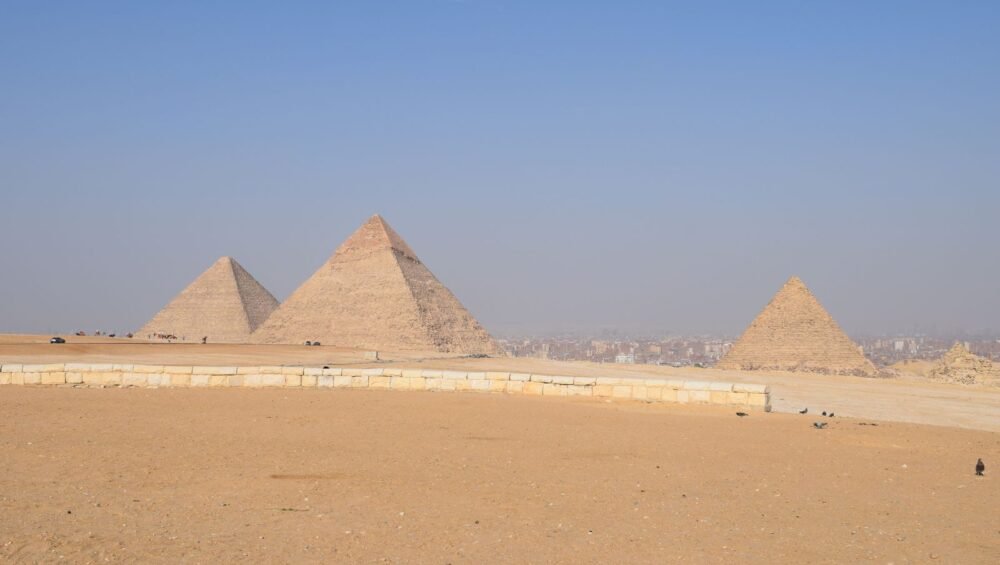
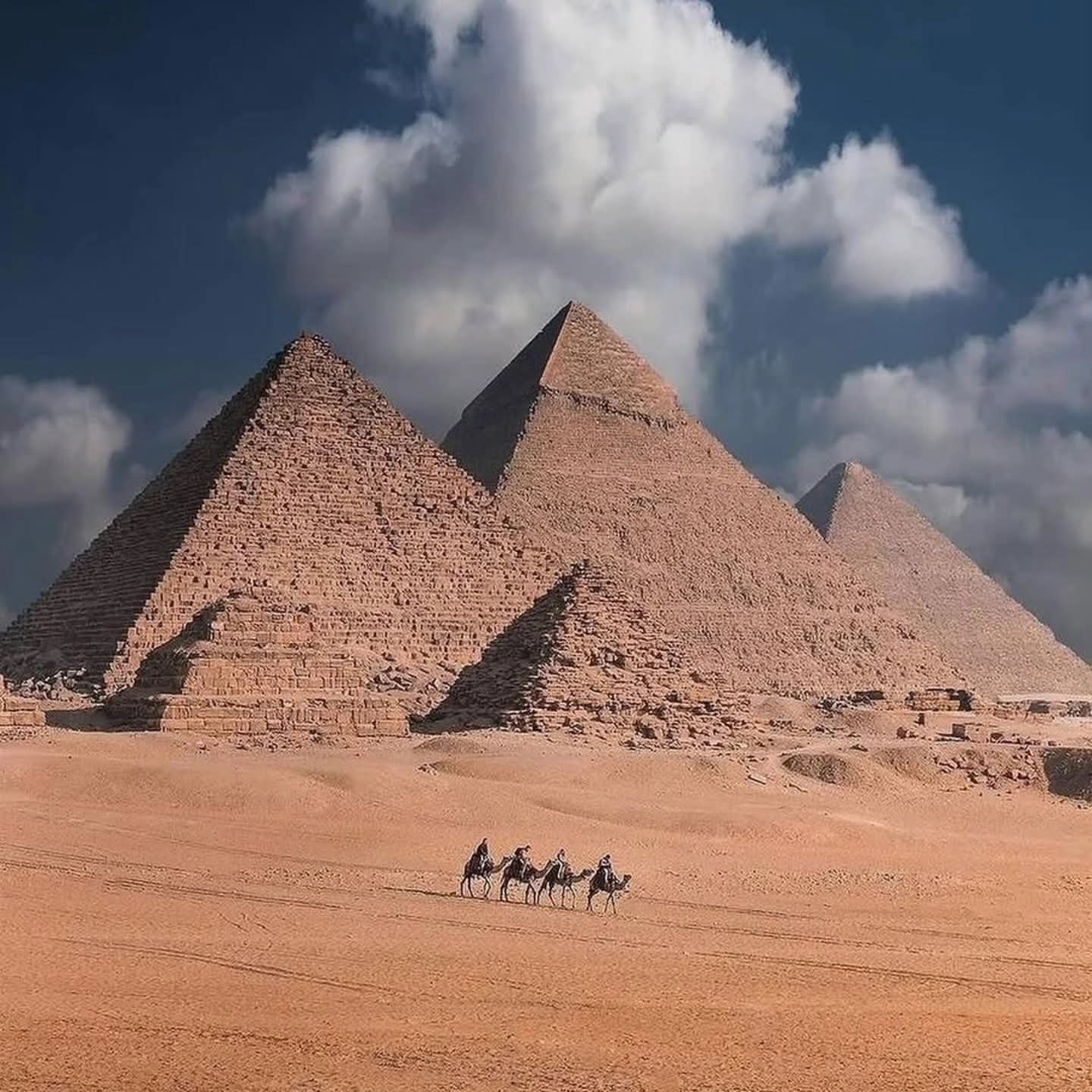
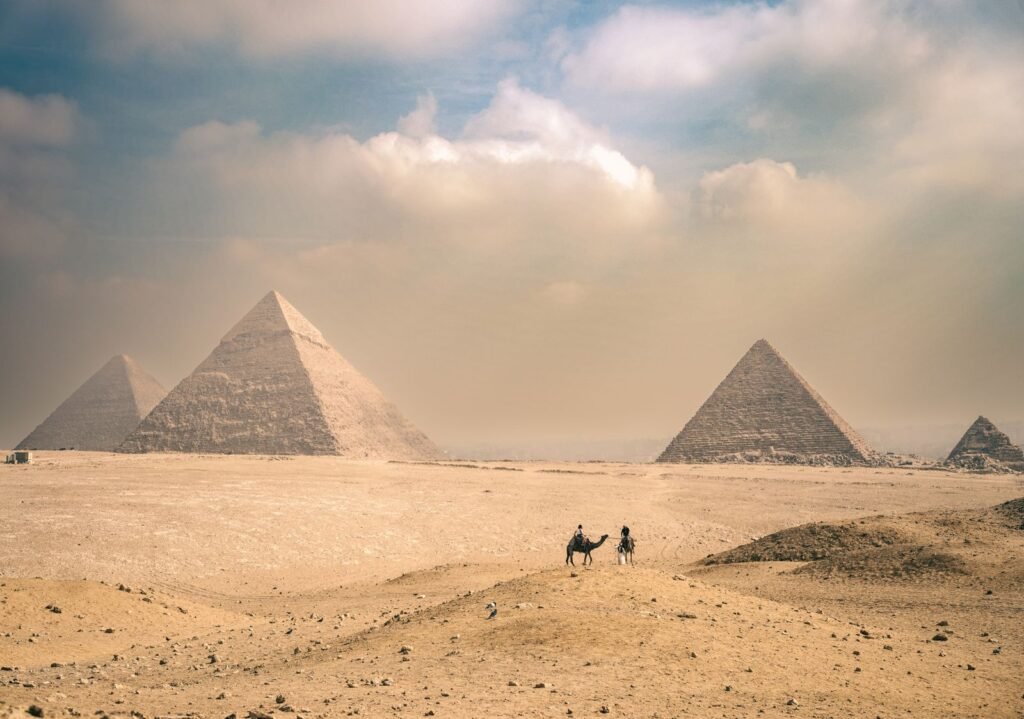
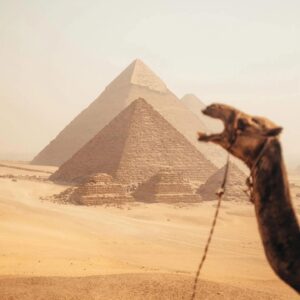
Panoramic view of the three main Pyramids of Giza

Giza Pyramids: Walking, Crowds and What Photos Leave Out

Plan a Giza pyramids tour with realistic expectations about walking, heat, viewpoints and optional pyramid-interior tickets.

Giza pyramids tour: current tour options and tickets

Before choosing a Giza pyramids tour from Hurghada, compare the exact museum and transport format:

For the archaeological site itself, use the official Giza Plateau information. The tour confirmation should still control the exact pickup, museum, inclusions and optional tickets for your date.

The Cairo bus tour visiting the Egyptian Museum in Tahrir costs €65 per adult and €35 per child. The separate GEM bus tour costs €80 per adult and €40 per child. Both include the Giza Pyramids and Sphinx, guide, standard tickets and lunch; confirm drinks and other extras for the exact package before payment. Entry inside the Great Pyramid is extra. Confirm the museum named in your booking, pickup and resort supplements. Flight packages require a separate confirmed offer.

Operator-confirmed booking terms — infant fares updated 2 October 2026: Infants aged 0–3 pay €20 on the Cairo Tahrir Museum bus, Cairo GEM bus or Luxor bus; €35 on the Cairo Tahrir Museum mini bus (Hiace) or Luxor mini bus (Hiace); and €40 on the Cairo GEM mini bus (Hiace). Children aged 4–9 use the stated child fare; guests aged 10 and over pay the adult fare. These are fixed child fares, not an exact 50% calculation. Payment is made when the trip takes place. Transfers add €5 per person from Makadi Bay or Sahl Hasheesh, and €10 from Soma Bay, Safaga or El Gouna. Agree the complete program and total in advance; no additional mandatory charges apply beyond that agreed total. Optional purchases are separate. Obtain cancellation and weather-rescheduling terms in writing.

Cairo transport and museum prices confirmed by the operator

These are separate museum and vehicle options. Confirm the selected museum, vehicle, group size, inclusions and hotel transfer total in the booking; a minibus does not by itself establish private use or a particular passenger limit.

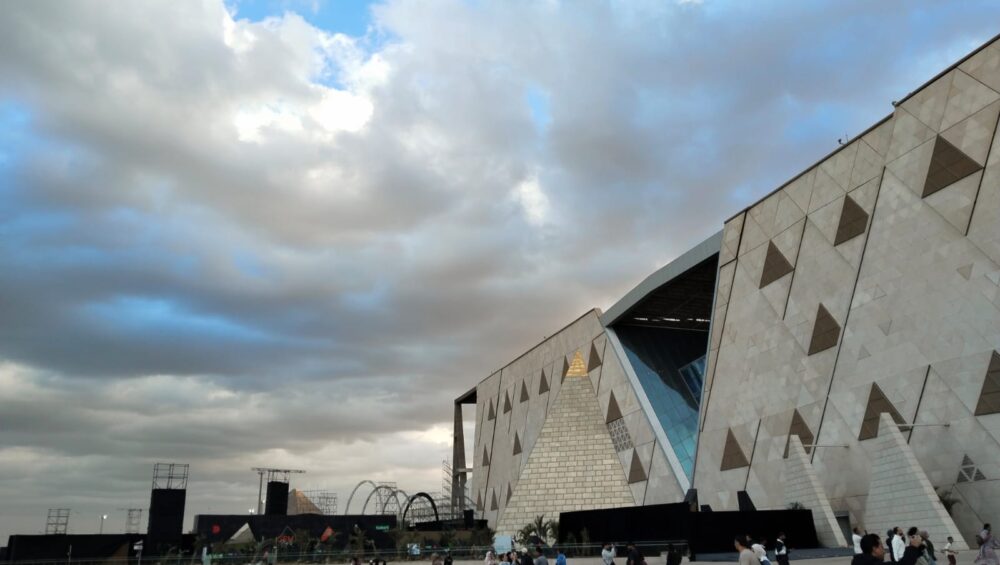
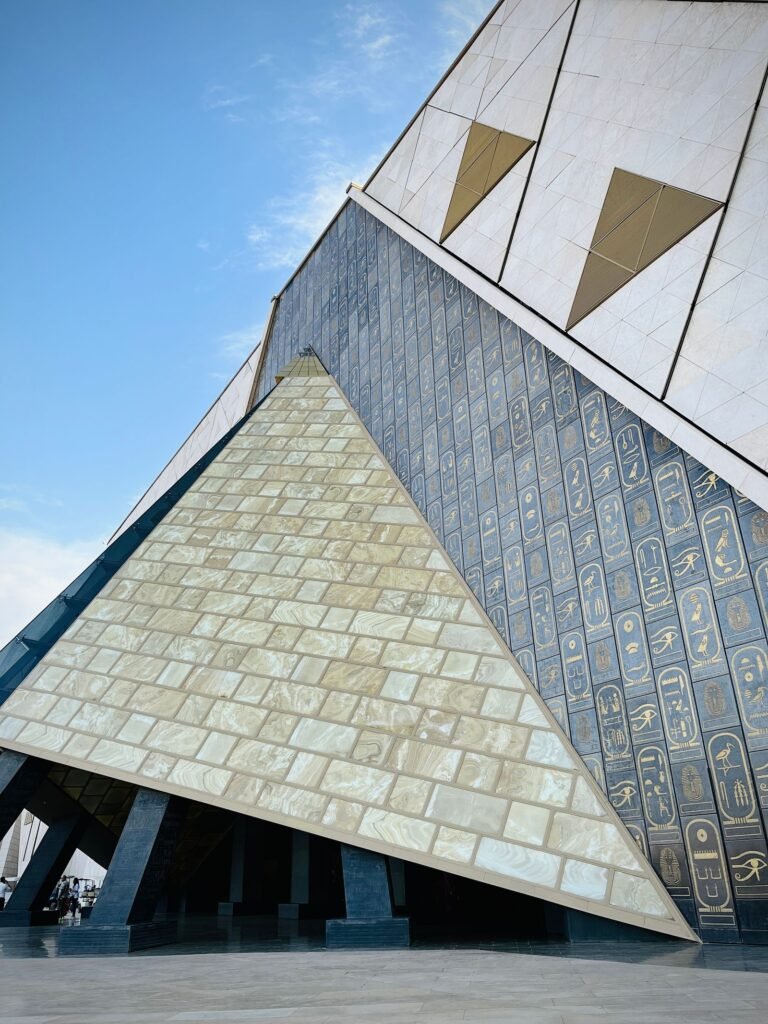
Facade of the Grand Egyptian Museum
Grand Egyptian Museum: choose the GEM tour if this is the museum you want to visit. Photo: Omar Elsharawy / Pexels · Pexels License.

Checked on 16 September 2026 against the current tour listing. Recheck the listing and your dated confirmation before payment.

You’ve seen the photos.

That classic angle. A camel in the foreground, the pyramid rising behind it, golden light, zero chaos. It looks like you and ancient history had a quiet moment together.

And then you arrive at Giza and realize… it’s not quiet. It’s not empty. And it’s definitely not a solo, cinematic scene unless you work for National Geographic and someone cleared the area for you.

This is not a “don’t go” article. Go. You should absolutely go.

This is more like. Go with your eyes open. Because the Giza Plateau is one of the most intense, fascinating, slightly overwhelming tourist places on earth. And tour photos, even honest ones, don’t show the full thing.

So here’s what they don’t show. The parts you’ll feel in your body, not just see through a camera.


The pyramids are basically next to a city

Most pictures crop this out.

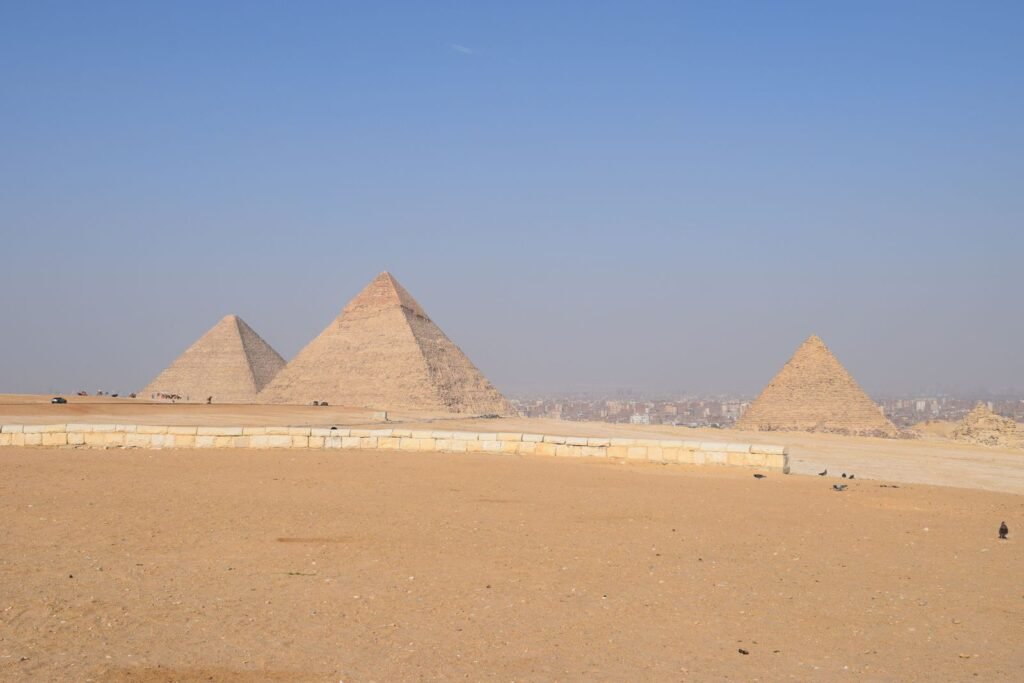
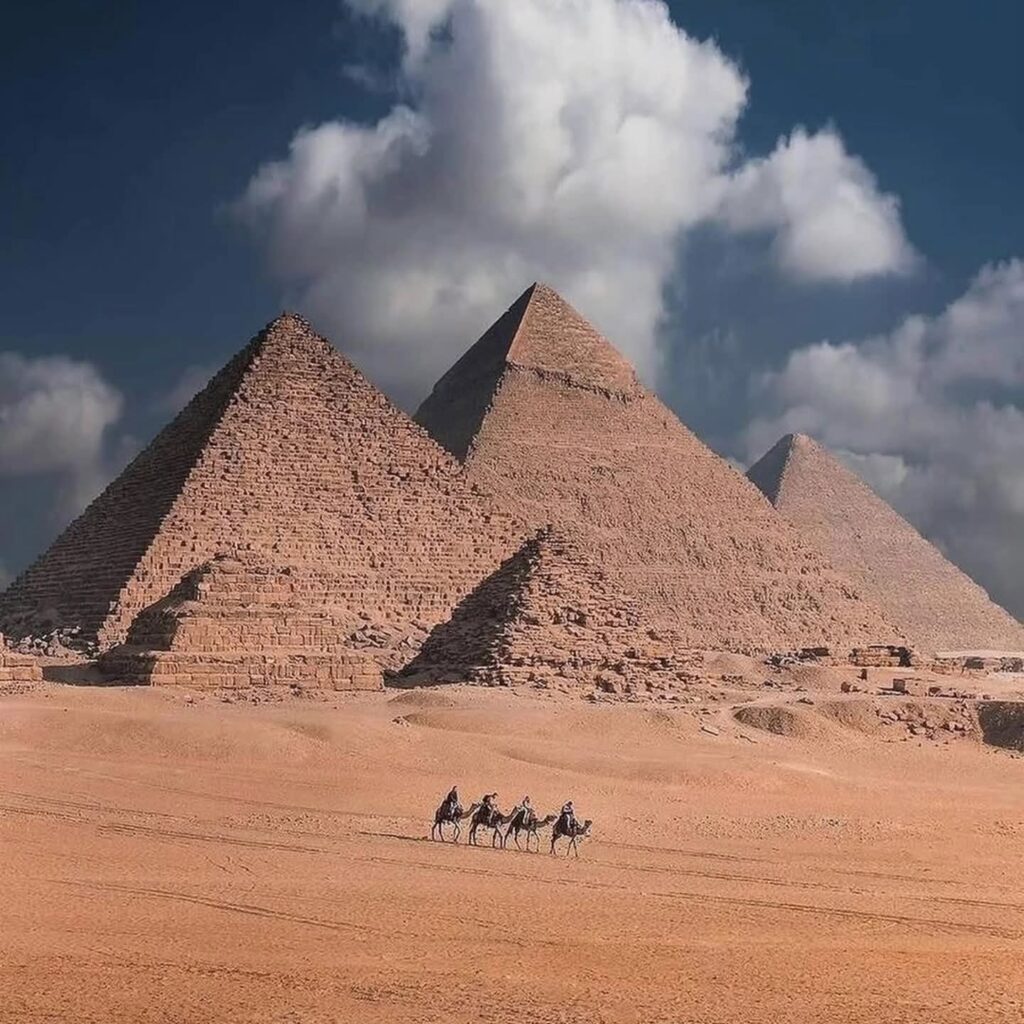
Pyramids on the Giza Plateau
The Giza Plateau. Stock photograph. Photo: Michelle Chadwick / Pexels · Pexels License.

But Giza is not some remote desert ruin. It sits right on the edge of Greater Cairo. You’ll be standing there looking at a 4,500 year old monument… and if you turn your head, you’ll see buildings, roads, dust haze, and the sense that a giant city is breathing right beside the plateau.

That contrast is actually part of the experience. Ancient stone geometry. Modern urban sprawl. Same frame.

It can also mess with expectations, especially if you imagined “endless Sahara.” There is desert, yes. But it’s not the lonely postcard desert.

Stay on permitted routes and use images only when their licence and attribution requirements have been checked. A file being on Wikimedia Commons does not remove those obligations.

The “empty” viewpoint is usually… a carefully chosen moment

You know those photos where there’s no one around? That happens. But it’s not the default.

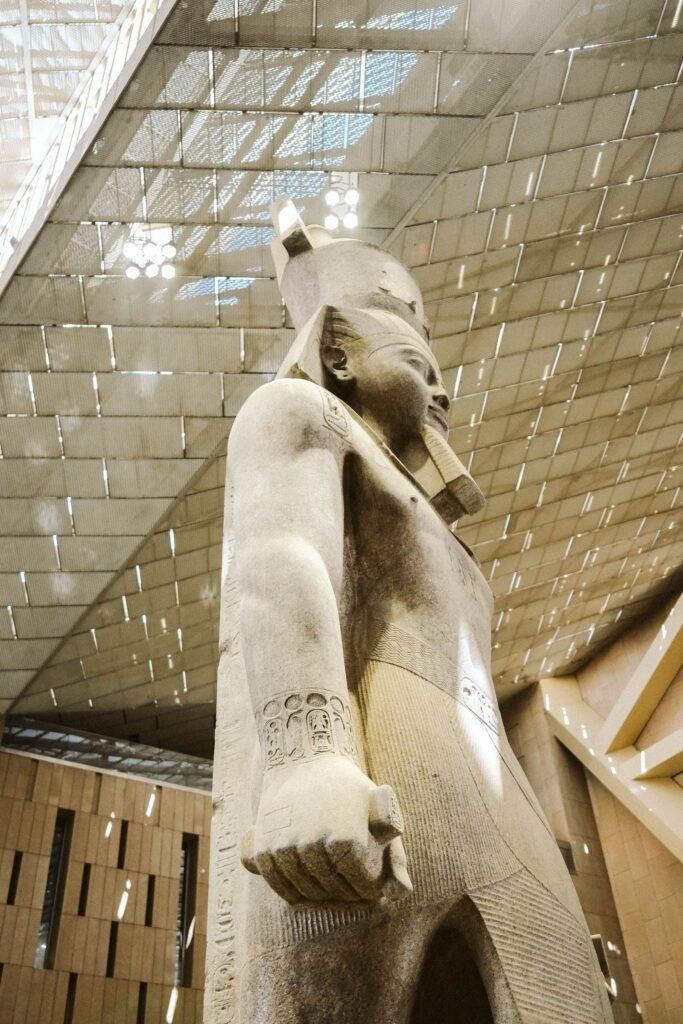
Colossal statue inside the Grand Egyptian Museum
A statue inside the Grand Egyptian Museum; this is not the Tahrir museum. Photo: Emre Akyol / Pexels · Pexels License.

Most days, a Giza pyramids tour feels busy. There are tour groups, families, school trips, people taking selfies, people taking wedding photos, people trying to sell you things, and people standing in the exact place you want to stand.

And it’s fine. It’s normal. It’s just not what Instagram suggests.

If you want it calmer:

  • Go early. Like actually early.
  • Avoid major holidays and peak weekends if you can.
  • Don’t linger at the first obvious viewpoint. Walk or drive deeper into the complex.

If you’re looking for a more serene experience, consider opting for historical tours during off-peak times.


The light is harsh, and it changes everything

Tour photos love sunrise and sunset for a reason.

Midday at Giza can be brutally bright. The limestone and sand bounce light everywhere. Your eyes squint. Your phone overexposes the sky. Your face looks shiny. You feel like you’re standing inside a giant beige reflector.

It also gets hot, even when the temperature doesn’t sound that crazy on paper.

Pack like you mean it:

  • Sunglasses you actually like
  • Sunscreen
  • A hat with a brim
  • Water, more than you think
  • Comfortable shoes (sand and stone, always)

For a more enjoyable experience under the sun, make sure to prepare adequately for your entertainment tours as well.


It is dusty. Like, in your teeth dusty

Nobody posts “here’s the dust in my hairline” but it’s real.

The plateau is sand, stone, wind, and movement. Add traffic from buses and horses and it becomes this constant fine layer that settles on you. Not dramatic, but persistent.

If you wear black you’ll notice it fast. If you wear white, also fast. If you wear makeup, you’ll be rethinking your life choices by hour two.

Tiny hack: Bring wet wipes or tissues. You’ll use them.

With all this in mind, remember that tours often come with their own set of challenges but they also offer unique experiences that are worth every bit of hassle.

The scale is hard to understand until you’re right there

panoramic Giza pyramids tour showing the scale of the plateau

Even good photos flatten the pyramids a little. The Great Pyramid especially. In pictures it’s big, yes, but it still reads like “large object in distance.”

In person it hits different. The blocks are enormous. The edges stretch out. You get close and suddenly the geometry stops being a shape and becomes a wall. A cliff, almost.

And then you realize something else the photos don’t show. How much walking there is.

On a Giza pyramids tour, the plateau feels wider than photos suggest. If you want to see the pyramids from different sides, visit panoramic points, see the Sphinx, or go inside a pyramid, you will walk or ride between points. Either way, it takes time and energy.


The Sphinx is smaller than people expect (but more intense up close)

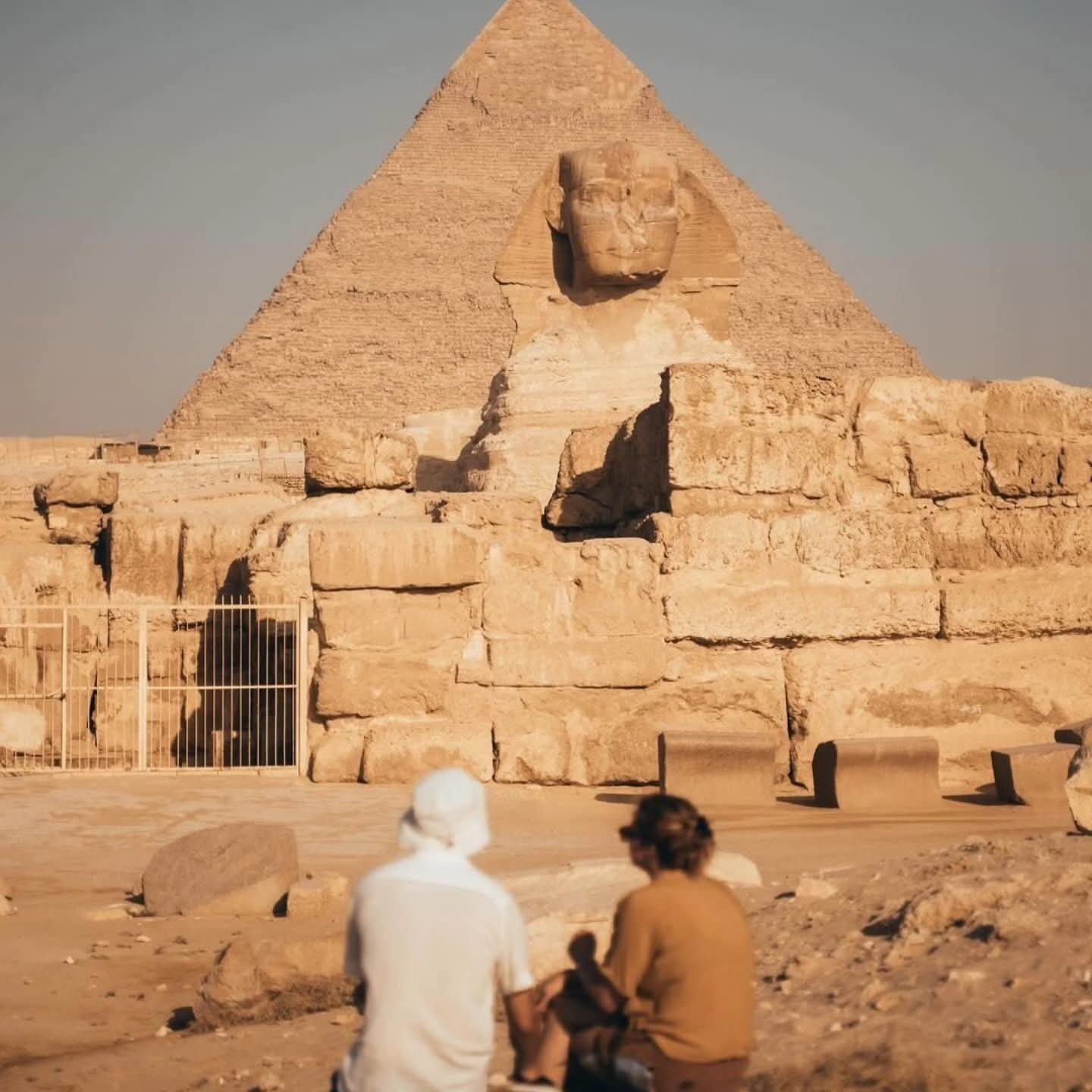
Great Sphinx during a Giza pyramids tour

Let’s just say it.

Giza pyramids seen across the desert
Giza pyramids and the exposed walking terrain. Stock photograph. Photo: hayriyenur . / Pexels · Pexels License.

People arrive expecting the Sphinx to be… taller. More towering. More “how is this even possible.”

It’s still incredible. It’s also partially restored and set in a lower area, so the first view can feel like, “oh, that’s it?”

Then you get closer and you notice the face. The expression. The erosion lines. The weird feeling of it staring past you. The fact that you’re looking at something that old and it still has a presence.

Photos don’t capture that presence well. They capture shape. Not mood.


Inside the pyramids is not glamorous

A lot of tour photos imply that going inside is this mystical Indiana Jones moment.

It can be fascinating. It can also be… a cramped workout.

The internal passages are narrow, low, and steep in sections. You’re shuffling with other visitors. The air can feel warm and a bit stale. If you’re claustrophobic, you’ll know quickly.

Also, there isn’t treasure inside. The chambers are mostly empty. The point is the experience of being inside a structure that ancient, and understanding the engineering in a physical way.

Practical point: If your time is limited, you do not have to go inside to have a rewarding Giza day. Many visitors choose to enjoy the monuments from outside and use the extra time for viewpoints and context.


The animals are real, and so are the ethical questions

Camels and horses are a huge part of the Giza tourism scene. And yes, camel photos look iconic. No denying that.

But photos don’t show what’s behind them. The conditions vary. Some handlers treat animals better than others. Some animals look tired. Some look well cared for. It’s mixed. And it can be uncomfortable to witness.

If you do choose to ride:

  • Choose carefully. Don’t be pressured.
  • Be clear on price and duration before you get on.
  • If the animal looks unwell or mistreated, walk away. Full stop.

If you’d rather avoid the whole thing, you can still get fantastic photos without riding anything. A guided Giza pyramids tour with a vehicle can give you the main viewpoints without using an animal ride.


The “hustle” is part of the atmosphere (and it can be exhausting)

This is probably the biggest mismatch between photos and reality.

At Giza, you’ll likely be approached. A lot.

  • “Camel ride?”
  • “Best price for you.”
  • “I show you secret spot.”
  • “Photo?”
  • “Guide?”
  • “Papyrus?”
  • “Ticket?”
  • “Police?”

Some are friendly. Some are persistent. Some are genuinely helpful. Some are not.

It’s not dangerous in the way people fear. But it can be tiring, especially if you’re not used to it.

What works:

  • A calm, firm “La shukran” (No thank you).
  • Don’t debate, don’t explain, don’t negotiate unless you want the service.
  • Keep walking.
  • If you’re with a licensed guide, the noise drops dramatically.

This is one reason many travelers book a structured day tour instead of arriving solo. Not because solo is impossible. Just because the mental load is real.

If you’re coming from the Red Sea and doing it as a day trip, having everything organized helps even more. This is exactly the kind of experience Hurghada Travels is built around, especially for travelers who want Cairo and Giza without the constant “what do I do next?” feeling.

The best photos are not where everyone stops first

different photo angles during a Giza pyramids tour from Hurghada

There’s a spot. The one all the buses hit. And everyone piles out, takes the same picture, and moves on.

But the plateau has layers. Angles. Quiet corners. Places where the pyramids line up in a way that looks unreal.

Your best shots usually come from:

  • The panoramic viewpoint area (where you can see multiple pyramids in one frame)
  • Slightly off the main path
  • Moments when you pause and let groups pass
  • Early morning light when the stone looks softer

And if you want that “camel silhouette with pyramids” look, it’s often done at specific points with the sun behind, and with someone who knows the timing.

That’s not cheating. That’s just knowing the place.


You might feel more emotion than you expect. Or less. Both are normal.

This is another thing photos don’t show. The internal experience.

Some people arrive and feel chills. Like a sudden wave of, “I can’t believe humans built this.” They get quiet. They look up for a long time.

Other people arrive and feel distracted. Heat, noise, crowds, pressure, logistics. And they think, “Why am I not feeling the magic?”

Both reactions are common. Neither means you’re doing it wrong.

Sometimes the awe hits later. Like when you’re back at the hotel, scrolling through your pictures, and you realize what you were standing next to.

Or it hits in a small detail. The way the stone is fitted. The way sound travels. The way the Sphinx looks at dusk.


The truth: it’s a whole ecosystem, not a postcard

A Giza pyramids tour is not just three pyramids and a statue. The plateau is an active tourist ecosystem with rules, rhythms, entrances, security points, vendors, animals, guides, and a constant flow of people trying to make a living.

Tour photos flatten all of that into one clean moment.

But when you see the full thing, it becomes more human. Messier. Real. And honestly, more interesting.

Ancient wonders don’t exist in a vacuum. They exist in the present.


How to have a better Giza day (without overplanning your life)

If you’re the kind of traveler who likes a simple checklist, here’s one that actually helps:

  • Start early (less heat, fewer crowds, better photos)
  • Bring water and sun protection
  • Decide ahead of time if you want to go inside a pyramid (it’s effort)
  • Set boundaries with vendors. Polite, firm, move on
  • Use a licensed guide if you want context and less hassle
  • Leave time for the panoramic viewpoint. Don’t rush it

If you’re coming from Hurghada, El Gouna, Makadi Bay, or Sahl Hasheesh, booking a well-timed Giza pyramids tour can take a lot off your plate. Transportation, ticket guidance, an Egyptologist explaining what you’re looking at, and a smoother route through Cairo traffic can make the day easier.

That’s basically why Hurghada Travels exists. Fast booking, clear pricing, proper guided experiences like their Cairo over day visit or Grand Egyptian Museum tour, and you’re not stuck figuring it all out on the sidewalk.

Just keep it simple. Pick the day that fits your energy level. Private if you want calm. Group if you want budget.

One last thing

If you are deciding whether the long journey is right for you, read Is a Cairo Day Trip from Hurghada Worth It?. Families can also use the Cairo Day Trip from Hurghada with Kids guide before choosing a road, mini bus, private or flight format.

If your Giza day feels a little chaotic, a little dusty, a little louder than expected. Good. That means you’re seeing the real place, not just the cropped version.

And somewhere in the middle of all that, you’ll probably get your photo too. The one where the angle is right, the crowd falls out of frame, and for a second it really does feel like it’s just you and the pyramids.

That moment is real.

It’s just not the whole story.

Cairo planning and booking links

Questions before you book

How much walking should I expect on a Giza pyramids tour?

It depends on the route, viewpoints and whether transport is used between stops. Expect uneven stone, sand and open ground, and tell the operator about mobility limits before booking.

Is a Giza pyramids tour suitable for young children?

Many families visit successfully, but heat, walking, crowds and a long Cairo day can be tiring. Bring water, sun protection and familiar snacks, and choose the transport format according to the child’s age and routine.

Can I use a stroller on a Giza pyramids tour?

A lightweight stroller may help in some areas, but uneven surfaces and steps can limit where it works. Ask about the exact route if stroller access is important.

When is the best time for photos on a Giza pyramids tour?

Earlier visits often provide softer light and can reduce heat and crowd pressure. Conditions change by season and operating schedule, so plan around the confirmed tour timing rather than a fixed photo promise.

Are panoramic viewpoints included on every Giza pyramids tour?

Do not assume so. Confirm the stops listed in your specific package, especially if the multi-pyramid panorama is important to you.

Do I need to ride a camel on a Giza pyramids tour?

No. You can photograph the pyramids from several viewpoints without an animal ride. Camel or horse rides should be treated as optional and agreed separately.

How should I handle persistent sellers or optional-service offers?

Stay polite and firm, ask the guide when uncertain, and confirm any price before accepting a service. You do not need to buy something simply because it is offered.

Is entry inside a pyramid suitable for everyone?

No. Interior routes can involve narrow, enclosed and steep sections. Travelers with claustrophobia, mobility limitations or some health concerns may prefer to enjoy the monuments from outside.

What shoes are best for a Giza pyramids tour?

Choose comfortable closed or secure walking shoes with good grip. Sand, stone, uneven surfaces and long periods on your feet matter more than appearance.

What should I bring for heat and dust on a Giza pyramids tour?

Bring water, sunscreen, a hat, sunglasses, tissues or wipes and any personal medication. A light layer can also help during air-conditioned transfers.

Can I combine a Giza pyramids tour with GEM or the Egyptian Museum in Tahrir?

Yes, but they are different tour formats. Choose the package that names the museum you want and confirm the available sightseeing time rather than assuming both museums are included.

Should I schedule another early excursion the next morning?

A road-based Cairo and Giza day can return late. Leaving the following morning flexible can make the overall holiday more comfortable.

Should I visit Giza on the same day as an international flight home?

A tight connection is risky because traffic, checkpoints and operational changes can delay the return. Leave a suitable buffer before an international departure.

Does a Giza ticket include the Great Pyramid interior?

The official Giza Plateau listing separates area admission from pyramid-interior tickets. Confirm the additional ticket and whether your itinerary leaves enough time.

Is the entire visit accessible without steps or uneven ground?

Do not assume this. Explain mobility needs in advance and ask the operator about the vehicle, paths and exact stops.

Sources and further guidance

Felucca on the Nile at sunset in Luxor

Nile Cruise from Hurghada: Transfer and Timing Checklist

Plan a Nile cruise from Hurghada around confirmed sailing dates, embarkation times, road transfers and flight buffers before booking.

If you are already in Hurghada, chances are you came for the Red Sea. The water, the boats, the lazy beach days. But then at some point, you see a photo of a temple column in Luxor or a sailboat in Aswan and you think, wait. I am in Egypt. I should probably do the Nile too.

This is where the idea of adding a Nile cruise to your holiday becomes really appealing. You don’t need to completely restructure your holiday around a cruise. You can keep Hurghada as your base, enjoying activities like the orange bay snorkeling tour or embarking on a super safari, then bolt on a Nile cruise for a few nights before returning to continue your beach relaxation as if nothing happened. It feels like two trips in one, without the chaos.

This guide will help you plan your trip without getting trapped in confusing schedules, long transfers, or tours that do not align.


What “Nile cruise add on from Hurghada” actually means

Most people envision one of these setups:

Felucca on the Nile at sunset in Luxor
Stock photograph of Luxor; the boat shown is not a confirmed cruise vessel. Photo: Muhammed Fatih Beki / Pexels · Pexels License.
  1. Hurghada to Luxor, then a Nile cruise (Luxor to Aswan)
  2. Hurghada to Luxor, short cruise, then back to Hurghada
  3. Travel to the confirmed embarkation port using a verified transport connection; a direct Hurghada–Aswan flight is not assumed.
  4. Day tour to Luxor from Hurghada, then later a cruise (this is not really an add-on, but people often mix it up)

Check the specific ship schedule and current transport availability. A direct Hurghada–Aswan flight or a fixed weekly sailing day is not established here.

But remember that while enjoying your stay in Hurghada with its beautiful beaches and vibrant underwater life, there’s more to explore beyond its borders. Consider taking some time out for an excursion like the Grand Egyptian Museum tour or exploring other excursions from Hurghada. These experiences could greatly enrich your understanding and appreciation of Egypt’s rich history and culture before you embark on your unforgettable Nile cruise adventure.

Decide the length first (this changes everything)

Cruise lengths are not random. They have patterns.

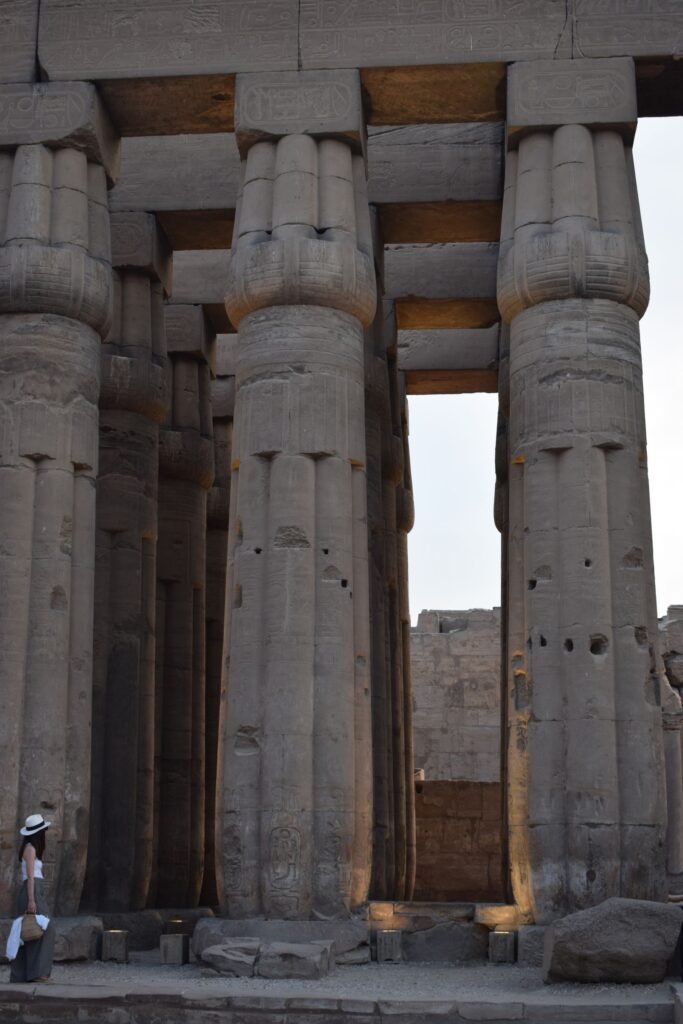
Columns at Luxor Temple
Luxor Temple is a separate visit; it is not included in the standard shared Luxor itinerary described here. Photo: Michelle Chadwick / Pexels · Pexels License.

3 nights (Aswan to Luxor)

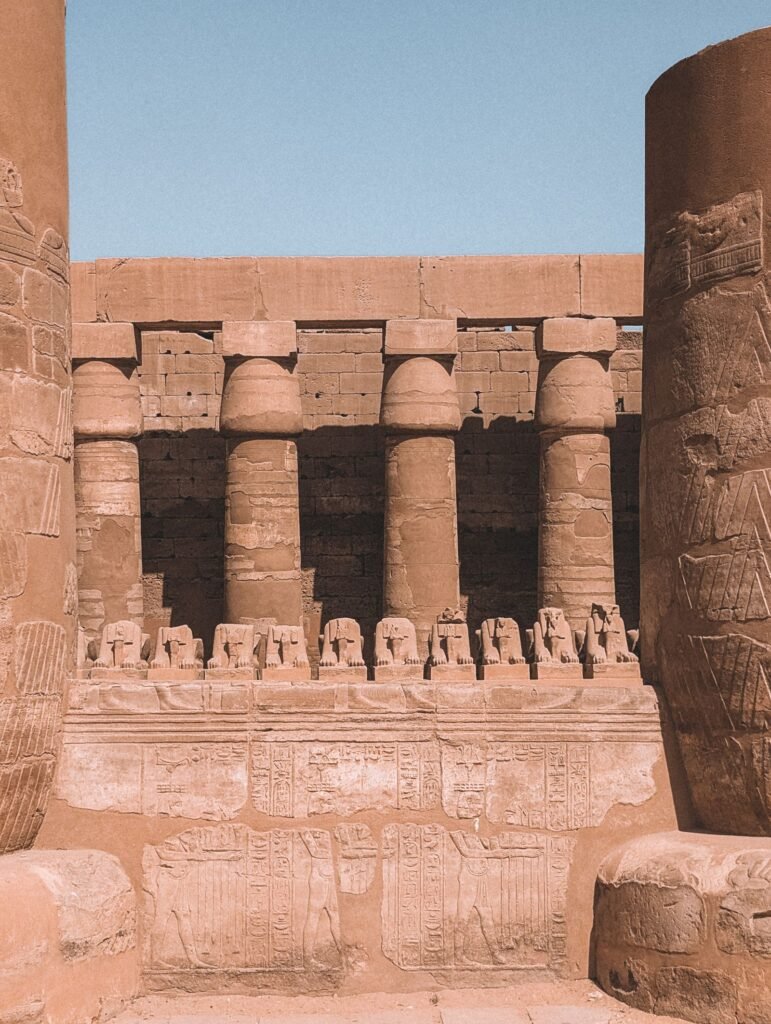
Courtyard and columns at Karnak Temple in Luxor
Karnak Temple in Luxor. Stock photograph. Photo: Alexey K. / Pexels · Pexels License.
  • Good if you want the highlights fast.
  • Works well if you can fly into Aswan.

4 nights (Luxor to Aswan)

  • The classic direction for people arriving from Hurghada by road.
  • You get Luxor sites early, then sail south.

7 nights (Luxor to Luxor)

  • Best if you love slow travel and you want more time on board.
  • Usually not what people mean by “add on” because it eats the whole holiday.

Planning tip: If your Hurghada trip is 7 nights total, a 3 or 4 night cruise is the sweet spot. If your Hurghada trip is 10 to 14 nights, you can do 4 nights comfortably and still have proper beach time.


Pick the direction based on your transfer tolerance

Compare the actual embarkation and disembarkation ports with the available road or air connections. Build in a buffer and confirm the sailing before purchasing separate transport.

Option A: Start in Luxor (most common from Hurghada)

Pros

  • Easy road transfer. Hurghada to Luxor is typically around 4 to 5 hours depending on stops.
  • You begin with the heavy hitters: Karnak, Luxor Temple, Valley of the Kings.

Cons

  • If you end in Aswan, you still need a plan to get back to Hurghada.

Option B: Start in Aswan (nice but more logistics)

Pros

  • Aswan feels calmer. A softer landing.
  • You end in Luxor, which can pair well with a Luxor day tour vibe at the end.

Cons

  • Usually needs a flight to Aswan, which adds cost and timing pressure.

Map out the transfers (this is where people mess up)

Here are the common transfer building blocks.

Hurghada to Luxor (private car or minivan)

This is the standard start for a cruise add on.

What to check:

  • Pickup time: some cruises require embarkation before lunch.
  • Comfort: private transfer is worth it if you are a family, or just do not want to be squeezed into a big bus.
  • Safety and licensing: do not treat this like a random taxi job.

Aswan to Hurghada (flight, or road, or train plus road)

  • Flight: fastest, but may route via Cairo. Sometimes it is smooth, sometimes it is a whole day.
  • Road: long. Not recommended unless you really want to save money and you are fine with a very long travel day.
  • Train: Aswan to Luxor trains exist, but it does not solve the Hurghada return. Also schedules change.

If you want this to feel like a vacation and not a transport mission, try to build one long transfer day max into the add on.


Choose your cruise style (and do not overthink “5 star”)

Nile cruises use hotel style ratings, but they are not always consistent. One company’s “5 star” is another’s “4 star plus”. It is weird.

So instead, focus on the practical stuff:

  • Air conditioning that actually works
  • Cabin size and window type (some are small high windows, some are panoramic)
  • Food style: buffet is normal, quality varies
  • How many people: larger ships feel busy, smaller ships feel intimate but can be limited
  • Docking: ships can dock side by side, meaning your window might face another ship sometimes

If you are picky about sleep, ask about:

  • engine noise
  • cabin deck level
  • whether the ship allows smoking in certain areas (smell can travel)

What itinerary you are really paying for

Most standard 3 or 4 night itineraries include:

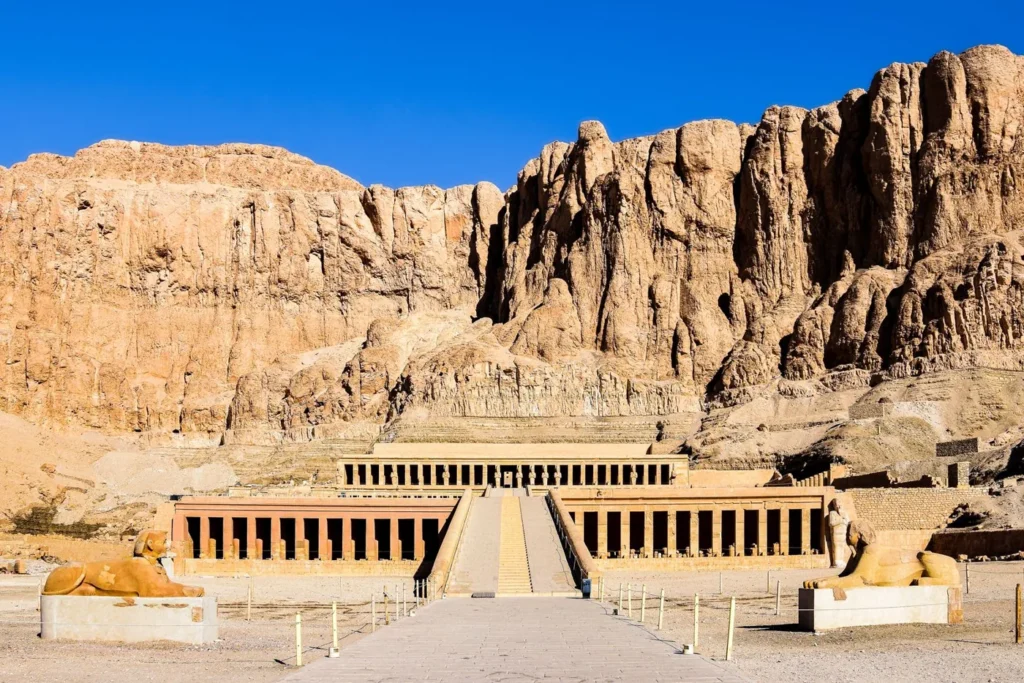
Temple of Hatshepsut beneath the cliffs in Luxor
Temple of Hatshepsut in Luxor; stock photograph. Photo: AXP Photography / Pexels · Pexels License.

In Luxor

  • Karnak Temple
  • Luxor Temple (sometimes at night)
  • Valley of the Kings
  • Hatshepsut Temple
  • Colossi of Memnon

Between Luxor and Aswan

  • Edfu Temple
  • Kom Ombo Temple

In Aswan

  • Philae Temple
  • High Dam
  • Unfinished Obelisk (sometimes)

And then there are the big optional add ons that cost extra:

  • Abu Simbel
  • hot air balloon in Luxor
  • Nubian village visit in Aswan

If Abu Simbel matters to you, decide early. It affects timing, early wakeups, and sometimes even which day you want to be in Aswan.


Best time of year to do the Nile cruise add on

You can do it all year, but the vibe changes a lot.

October to April

  • Best weather for temples and walking tours.
  • Nights can be cool, especially December and January.
  • More demand. Prices go up.

May to September

  • Hot. Like real hot, especially in Luxor and Aswan.
  • Cheaper deals appear.
  • Ships still run, but sightseeing midday can feel intense.

If you are traveling in summer, the main trick is simple: accept early mornings, and you will be fine. Most tours start early anyway.


How many days you need in Hurghada if you add a cruise

This is the part people underestimate. Because the cruise is not just “3 nights”. It is transfers, check ins, check outs.

A realistic way to think about it:

  • 3 night cruise usually needs 4 to 5 days out of your Hurghada holiday.
  • 4 night cruise usually needs 5 to 6 days.

So if you only have 6 nights in Hurghada total, doing a 4 night cruise can make the whole thing feel rushed. Not impossible. Just rushed.


Booking it as one package vs stitching it yourself

You can plan this in two ways.

1) Package it (simpler)

A combined package needs a named ship, confirmed sailing date, cabin type, transfers and inclusions in writing. No current bookable Nile cruise product was established in the Hurghada Travels listings reviewed for this guide.

2) Stitch it yourself (more control, more risk)

You book:

  • transfer Hurghada to Luxor
  • cruise separately
  • any optional tours separately
  • return transport separately

This can save money sometimes. But only if you are very organized, and you are okay with problem solving if the ship schedule differs from what the booking site implied.


Costs to request in a written cruise quote

Prices move with season, ship class, and what is included. But you can use this mental model:

  • Cruise base price: cabin + meals
  • Guided sightseeing: sometimes included, sometimes not
  • Entrance fees: sometimes included, sometimes not
  • Transfers: almost always extra unless packaged
  • Tips: usually expected

Also, Abu Simbel can add a noticeable chunk.

If a deal looks unbelievably cheap, check what is missing before you get excited. Usually it is the entrance fees, guides, or transfers.


What to pack (specific to a Hurghada add on)

You are coming from beach mode, so the packing mismatch is real.

Bring:

  • light scarf or shawl (temples, sun, dust)
  • comfortable closed shoes (sandals are fine until you are walking on uneven stone all day)
  • one slightly nicer outfit (dinner on board, photos, whatever)
  • sunscreen (yes, even in winter)
  • a small day bag for tours
  • bug spray for evenings on deck

Do not bring:

  • hard suitcase if you can avoid it. Cruise cabins are compact.
  • tons of cash without a plan. Use a mix.

Little mistakes that ruin the experience (planning checklist)

  • Booking a cruise that starts the same day you land in Hurghada. You need buffer.
  • Doing Luxor as a day trip, then doing Luxor again as part of the cruise, accidentally. Double temples sounds fun until it is 45 degrees and you are over it. Doing a Luxor day trip from Hurghada could lead to this mistake.
  • Not confirming what “guided” means. Sometimes it is a guide on board, sometimes it is local guides per site, sometimes it is basically just transport.
  • Forgetting the return to Hurghada. People plan the whole cruise and then realize they end in Aswan with no easy way back.
  • Overpacking excursions into the last Hurghada day. You will want a recovery day. Trust me. After a snorkeling trip to Paradise Island or a Dolphin House snorkeling trip, you might need that recovery day.

Sample itineraries (realistic, not fantasy scheduling)

Build the itinerary from a confirmed ship schedule. For example, allow a transfer/embarkation day, the booked cruise nights, disembarkation and return transport, then a buffer before your flight home. Do not infer the direction or number of nights from a generic package.

A simple way to book it without stress

Request a complete written cruise proposal from the provider before paying. Confirm the ship, dates, cabin, guide, site tickets, transfers, exclusions and cancellation terms. Keep independent bookings flexible until connections are confirmed.

Wrap up

A Nile cruise add on from Hurghada is one of those travel decisions that feels a bit ambitious, then you do it and wonder why you almost skipped it. The Red Sea is amazing, yes. But Upper Egypt is the part that makes the whole trip feel like Egypt.

Plan the length first. Respect the transfer days. Do not assume every “5 star” label means the same thing. And leave yourself at least one quiet day back in Hurghada at the end, because you will want it.

Related planning guides

Official destination reference: See Experience Egypt, Egypt’s official tourism portal, for destination information.

Questions before you book

Does Hurghada Travels have a confirmed Nile cruise package?

A bookable Nile cruise product is not established here. Ask for a named vessel, sailing date, cabin and complete written quote before treating a cruise as available.

How do I choose three or four nights?

Start with a specific ship’s confirmed schedule and direction, then add transfer days. Do not infer a departure weekday or direct flight from a generic itinerary.

Should I book the return flight immediately after disembarkation?

Leave a realistic buffer for docking and ground transfers. Confirm the final disembarkation point and time before purchasing onward transport.

Panoramic view of the three main Pyramids of Giza

Cairo Day Trip from Hurghada Worth It? 7 Practical Checks

Is a Cairo Day Trip from Hurghada Worth It?

Yes, when seeing the Pyramids and one chosen museum is a holiday priority and you are comfortable with a very long day. It may not be worth it when you mainly want rest, dislike lengthy road journeys or need a slower sightseeing pace.

This guide helps you decide whether a Cairo day trip from Hurghada is worth the time, effort and full booking cost. Use the seven practical checks below to make your choice. This is an editorial planning guide, not a first-hand customer review.

The useful comparison is not simply bus versus flight. To decide whether a Cairo day trip from Hurghada is worth it, check your complete hotel-to-hotel schedule, the museum named in the itinerary, the vehicle and the needs of everyone traveling with you.

Already decided on the road option? View the Cairo bus tour with the Egyptian Museum in Tahrir. The alternatives for both museums and both road-transport formats are linked in the booking section below.

Giza Pyramids: is a Cairo day trip from Hurghada worth it for your holiday?
Giza Plateau. Stock photograph: Michelle Chadwick / Pexels; Pexels License.

To judge the walking and sightseeing pace, read what Giza photographs leave out about walking and crowds before choosing your Cairo program.

Cairo Day Trip from Hurghada Worth It: Value Versus Time

When deciding whether a Cairo day trip from Hurghada is worth it for you, compare it with what you would do with the same day in Hurghada. If seeing Giza matters much more than another resort day, the journey may be a good trade. If your holiday is mainly a chance to recover and relax, it may not.

Discuss the choice with everyone traveling. One person may consider the Pyramids essential while another finds the road journey or walking difficult. Choosing a suitable pace together is more useful than following a universal recommendation.

Is a Cairo day trip from Hurghada worth it for one full day?

Judge the whole day, not just the time beside the Pyramids. A road excursion combines hotel collection, a long intercity journey, sightseeing, meal and comfort stops, and the return to your resort.

Bus and minibus: different vehicles, the same long-distance journey

Both travel by road. A minibus can offer a different group setup, but the vehicle label alone does not prove private use, a particular passenger limit or a shorter journey. Confirm those details before paying extra.

The road option can make a Cairo day trip from Hurghada worth it when keeping the total cost lower matters and your group is comfortable with prolonged travel. Ask about seating, planned breaks and your full pickup-to-return window.

Flights: less highway time, but still a full travel day

A flight avoids much of the intercity road journey. It also adds hotel-to-airport transfers, check-in, security, waiting, travel from Cairo Airport and the same steps on return.

Do not assume flying guarantees more sightseeing or suits every child or traveler with mobility needs. If you are deciding whether a Cairo day trip from Hurghada is worth it by plane, compare the complete schedule in the quotation. Our Cairo flight planning guide explains the details to check.

What the sequence of the day involves

  1. Leave your hotel at the time confirmed for your particular booking.
  2. Travel to Cairo or Giza and meet the guide according to the itinerary.
  3. Visit the Giza Plateau and Sphinx, with time for the agreed viewpoints.
  4. Visit the named museum and take the meal break included in your package.
  5. Return to Hurghada and complete the transfer to your hotel.

The order of the museum, Giza and lunch can change. Use your booking confirmation for pickup and return times rather than treating a generic timetable as a promise. Avoid another tightly timed activity after the excursion.

Pyramids, museums and the limits of a one-day visit

For many first-time visitors, seeing Giza and one carefully chosen museum makes a Cairo day trip from Hurghada worth it. It is a focused introduction, not enough time to explore every district and major attraction in Cairo.

The Egyptian Tourism Authority guide to Giza provides official background on the monuments. Standard plateau admission and entry inside a pyramid are different tickets; check which admission your tour includes.

The Egyptian Museum in Tahrir is not the Grand Egyptian Museum

These are separate attractions and separate booking choices. Select the museum you want before comparing prices. A tour described simply as a Cairo or Pyramids excursion does not automatically include both museums.

Grand Egyptian Museum facade in Giza; a different stop from the Tahrir museum
Grand Egyptian Museum facade. Photo: Omar Elsharawy / Pexels; Pexels License.

Check the actual museum admission and visit time, not just the museum name. Extra galleries, a Nile activity, shopping stops and pyramid-interior entry should be discussed separately where relevant.

A slow bazaar visit, a dinner cruise and extensive neighborhood sightseeing need additional time. Choose an overnight itinerary rather than squeezing every attraction into one day.

What makes a Cairo day trip from Hurghada worth it?

The strongest reason to go is personal: Giza may be something you have wanted to see for years. A guided day combines that visit with historical context and a museum, without requiring you to change hotels.

Photos do not show the full scale of the plateau, the walking between viewpoints or its relationship with modern Giza. Expect other visitors, exposed ground and a sightseeing environment rather than an empty desert photograph.

Desert terrain and walking areas around the Giza Pyramids
Giza and its exposed walking terrain. Stock photograph: hayriyenur . / Pexels; Pexels License.

The useful advantages

  • You can combine major cultural sights with a Red Sea holiday.
  • An organized itinerary reduces the need to arrange separate transport, tickets and guiding yourself.
  • A single day can suit a short holiday when Giza is a clear priority.

The trade-offs to accept before booking

  • Travel takes a substantial part of the day, especially by road.
  • The sightseeing schedule limits how long you can stay at each stop.
  • Walking, heat, crowds and an early departure can add to tiredness.
  • Optional activities and transfers can change the total cost.

A Cairo day trip from Hurghada is worth considering when those advantages matter more to you than the lost rest day. It is not automatically the best use of a holiday just because it includes famous sights.

Cairo Day Trip from Hurghada Worth It: 7 Practical Checks

1. Choose your main reason for going

Is a Cairo day trip from Hurghada worth it primarily for the Pyramids, the museum or both? Decide that first. If neither is a priority, a demanding travel day may add less value than another day on the Red Sea.

2. Compare the complete travel day

Ask when you leave your hotel and when you expect to return. Include shared pickups, breaks and, for flights, both airport transfers and check-in. Do not compare only flight duration with total coach time.

For a fuller transport comparison, read our Hurghada to Cairo bus versus plane guide. Neither vehicle choice guarantees a relaxed day for everyone.

3. Select the museum before comparing the price

Infants aged 0–3 pay €20 on the Tahrir Museum bus or GEM bus, €35 on the Tahrir Museum mini bus (Hiace), and €40 on the GEM mini bus (Hiace).

The Tahrir Egyptian Museum and the Grand Egyptian Museum are different destinations. Check the name, admission and expected visit time. A cheaper itinerary is not a better deal if it takes you to a different museum from the one you wanted.

Ancient Egyptian statue displayed in a museum gallery
Egyptian museum collection, shown as a stock illustration rather than a guarantee of the galleries on your tour. Photo: Emre Akyol / Pexels; Pexels License.

4. Check what the vehicle description actually means

Bus, minibus, VIP and private are not interchangeable descriptions. Ask about your group arrangement, seats, boarding steps and planned comfort stops. Confirm private use explicitly rather than inferring it from a smaller vehicle.

5. Compare the final total for your own group

Add any hotel-area transfer supplement and the optional activities you actually want. Check each child’s applicable fare rather than assuming a percentage discount. Compare equivalent museums, admissions, guiding and meals.

6. Prepare for walking as well as sitting

Pack comfortable shoes, sun protection, a light layer, water, a small snack and the identification required in your confirmation. Keep the bag compact. Discuss any mobility or support needs before booking, not after reaching Giza.

7. Protect your rest time and your sightseeing priorities

Sleep before the early start and leave recovery time afterwards where possible. Ask about optional shopping or Nile stops and agree which visits matter most. A realistic, focused itinerary can make a Cairo day trip from Hurghada worth it without trying to fit in everything.

Who is the trip right for?

A Cairo day trip from Hurghada is worth considering for travelers who genuinely want Giza and a museum, have only a day available and accept the travel commitment. A first visit to Egypt alone is not a reason to book a schedule that does not suit you.

Is a Cairo day trip from Hurghada worth it with children?

Base the decision on the child, not a generic promise that a vehicle is family-friendly. Think about sleep, long periods sitting, toilet breaks, walking, meal timing and how the child usually manages a busy day.

Ask about age-based fares, suitable seating or restraints, and any specific needs before confirmation. A minibus does not automatically mean a child seat is provided; a flight still involves airports and ground transfers.

Seniors and travelers with limited mobility

Discuss boarding steps, walking surfaces, distances, time to rest and assistance at each attraction. An advertised VIP vehicle does not establish wheelchair access or step-free sightseeing.

When a health condition affects travel, seek advice appropriate to your circumstances rather than treating a tour description as medical clearance. Ask the operator to confirm the practical support available.

When another plan may offer better value

Consider an overnight Cairo visit when you want longer at the museums, more breaks or a less compressed itinerary. Staying in Hurghada may be the better choice when your main aim is rest or you have only a short seaside holiday.

For a local alternative, compare the Orange Bay boat and island trip with your interests and the package’s participation conditions. It is a different experience, not a substitute for seeing the Pyramids.

Cairo Day Trip from Hurghada Worth It: Safety and Practical Preparation

No planning article can guarantee safety or replace current official travel advice. Check advice relevant to your nationality, the operator’s arrangements and the insurance that applies to your booking.

Keep your identification and confirmation secure, know the meeting points, and leave room in your holiday for rest. Comfort, mobility and a manageable schedule deserve as much attention as the attraction list.

Is an overnight trip better?

Often, yes.

An overnight Cairo trip provides:

  • Less rushing at each site
  • More time for areas like Khan el Khalili
  • A chance to rest, shower, reset
  • A calmer pace overall

However, it also means sacrificing two days instead of one. Ultimately, it depends on what you value more.

Compare four Cairo tour options before booking

Once you decide that a Cairo day trip from Hurghada is worth it for your group, choose the museum and transport together. These are four separate road-tour booking pages, not four names for an identical package.

Cairo Day Trip from Hurghada Worth It: Check the Final Total

Use the selected tour page for current prices and ask for the final total for your date, complete hotel name, adult numbers and children’s ages. Check the applicable child fare, resort transfer supplement and any optional activities you want.

Confirm the named museum, admissions, guide language, meals, drinks, pickup arrangements and cancellation conditions. A cheaper quote is only comparable when it covers the same services. Keep the written confirmation.

A flight quotation is a separate arrangement: check both flights and airport transfers as well as the Cairo itinerary. Do not assume that one of the road-tour booking pages includes airline tickets.

Keep the decision and the booking details separate

This article answers whether the long day suits you. For the broader transport and booking overview, use our Cairo day trip planning guide, then book the specific museum and vehicle you have chosen.

Final verdict: rewarding for the right priorities, not a compulsory excursion

Is a Cairo day trip from Hurghada worth it? It can be when Giza is a genuine priority, the selected museum interests you and the complete schedule fits your group’s energy and budget.

When deciding whether a Cairo day trip from Hurghada is worth it, choose an overnight visit if you want more time and breaks. Choose another day in Hurghada when rest matters more. Neither choice is a failed holiday; the best itinerary is the one you will actually enjoy.

Cairo planning and booking links

Is a Cairo day trip from Hurghada worth it? Booking FAQs

Is a Cairo day trip from Hurghada worth it for a first visit to Egypt?

It can be when the Pyramids and a museum are personal priorities and you accept a long day. Do not book only because you feel every visitor must see Cairo; your holiday length, energy and interests matter.

Is a Cairo day trip from Hurghada worth it if I only have a few days?

To decide whether a Cairo day trip from Hurghada is worth it when your holiday is short, compare one complete travel day and any recovery time with the rest of your stay. When Giza is essential to you, that trade can make sense. When rest is the main goal, staying on the Red Sea may offer better value.

How long is the complete Cairo excursion?

Treat a road excursion as a very long day with an early departure and late return. The exact hotel-to-hotel duration depends on pickups, road conditions, breaks and the itinerary. Ask for that full window rather than using sightseeing time alone.

Can I count on sleeping comfortably on the bus?

Do not build your whole plan around sleeping well in a vehicle. Seating, fellow passengers and your own sleep habits affect rest. Check the coach facilities and consider whether the day still suits you after limited sleep.

Does a minibus make the trip shorter or private?

Not automatically. It uses the road route too, and pickup arrangements influence the day. Ask how the vehicle is shared and whether private use is explicitly included; a smaller vehicle name does not establish either point.

Does flying guarantee more time at the Pyramids?

No. Flights reduce the intercity road journey, but airport transfers, check-in and flight timings also use time. Compare the actual sightseeing window in the flight quotation with the road itinerary, not just the time in the air.

Which museum should I choose: Tahrir or the Grand Egyptian Museum?

If your question is “Cairo day trip from Hurghada worth it?”, museum choice matters. Choose the attraction that interests you, then select its named tour. The Egyptian Museum in Tahrir and the Grand Egyptian Museum are different visits. Compare included admission and available visit time rather than assuming the word museum means the same itinerary.

Can I visit both museums on a standard day tour?

Do not assume so. The four linked road packages are separated by museum choice. If both museums are essential, request a specifically planned itinerary and compare an overnight stay rather than adding an unconfirmed second museum to a full day.

Is entry inside the Great Pyramid included?

Plateau admission and pyramid-interior entry are different. Check the selected package and the availability of any additional ticket. Decide whether the extra time and access requirements suit your group before adding it.

How do I compare the real cost of two Cairo tours?

For travelers asking “Cairo day trip from Hurghada worth it?”, compare the same date, museum, vehicle arrangement, admissions, guide, meals and hotel area. Add any optional activity you actually want. The useful figure is the written total for your whole group, not the cheapest headline per-person amount.

Are child prices always half the adult fare?

Do not assume a percentage discount or that infants travel free. Give every child’s age and check the fare and seating policy on the chosen package. Vehicle and museum options may have different totals.

What changes when my hotel is outside central Hurghada?

The pickup route, meeting time and transfer supplement may differ. Send the complete hotel name for Makadi Bay, Sahl Hasheesh, El Gouna, Soma Bay or Safaga and obtain the final transfer arrangement before confirming.

Are there toilet breaks, and is there a toilet on the vehicle?

Ask about planned comfort stops and the actual vehicle. Do not assume that VIP means an onboard toilet, or that it will be available for use. Explain frequent-break requirements before choosing the transport.

Is lunch included, and what about drinks or dietary needs?

Check the named package for both the meal and drinks; they are separate items to compare. Share allergies or dietary requirements before booking and obtain a clear answer about what can be arranged, rather than assuming every request is possible.

Is a Cairo day trip from Hurghada worth it with young children?

It depends on how they manage early starts, sitting, walking and changes to meals and sleep. Check suitable seating and planned breaks. A flight or overnight option is worth comparing, but neither automatically meets every family’s needs.

Can seniors or travelers with limited mobility join?

For seniors asking “Cairo day trip from Hurghada worth it?”, assess the specific traveler and itinerary rather than age alone. Ask about steps, vehicle access, walking surfaces, distances and assistance. A private vehicle or VIP label is not evidence of wheelchair access or a step-free tour.

Can I skip shopping stops and optional activities?

Request the planned stops and clarify what is optional before payment. Declining a purchase is different from changing a shared group’s route. If avoiding shopping visits is essential, agree that requirement as part of the itinerary.

What should I wear and pack?

If a Cairo day trip from Hurghada is worth it for your plans, prepare for a long sightseeing day: choose shoes suitable for walking, practical clothing, sun protection and a light extra layer. Carry water, a small snack, your booking confirmation and the identification requested for the trip. Keep your day bag small and your documents secure.

Should I book the Cairo trip on the day I fly home?

Avoid a tight connection between a long excursion and an international departure. Traffic and, for flight excursions, airline changes can affect the return. Leave a suitable buffer and compare the confirmed schedule with your airport check-in requirements.

When is an overnight Cairo visit a better choice?

If you are deciding whether a Cairo day trip from Hurghada is worth it or an overnight stay is better, an overnight plan may suit travelers who want longer museum visits, additional neighborhoods or breaks between sightseeing sessions. Compare the actual itinerary, hotel and total cost; adding a night does not by itself guarantee a slower program.

What should I check about cancellation before booking?

Get the cancellation deadline, change conditions and applicable charges in writing. For a flight package, check the airline tickets as well as the ground services. Keep the confirmation and contact details so you know what applies if plans change.

Grand Egyptian Museum 2026

Grand Egyptian Museum 2026: Complete Visitor Guide

For Hurghada Travels shared GEM excursions, infants aged 0–3 pay €20 by bus or €40 by mini bus (Hiace). These are excursion fares, separate from museum admission rules.

Grand Egyptian Museum 2026

Planning a visit to the Grand Egyptian Museum 2026? Here’s exactly what to expect before you go


If you have been to Cairo before, you probably did the usual loop. Egyptian Museum in Tahrir, maybe a quick Khan el Khalili wander, then you escaped the traffic and promised yourself you would come back when you have more time.

2026 is kind of that moment.

The Grand Egyptian Museum 2026 is expected to be one of the most impressive cultural attractions in the world.

Visiting the Grand Egyptian Museum 2026 will give you a completely different experience from older Cairo museums.

Because the Grand Egyptian Museum (GEM) is not just “a new museum”. It is basically Egypt deciding to build a modern home for the biggest Pharaonic collection on the planet. Bigger spaces, better lighting, proper conservation labs, and displays that finally let the objects breathe a little instead of being packed in like a storage room.

And yes, it sits right next to the Giza Plateau, which means you can do pyramids and museum in the same day without feeling like you are teleporting across the city. For those planning a trip from Hurghada, a Grand Egyptian Museum tour could be an ideal option.

Below is what to expect in 2026. The vibe, the layout, the highlights, what’s worth your time, and how to plan it so you do not end up tired and rushed in the middle of something you actually waited years to see.


A quick idea of what GEM actually is (and why people keep talking about it)


Grand Egyptian Museum exterior 2026


Many travelers are planning their trip around the Grand Egyptian Museum 2026 opening.

The Grand Egyptian Museum is one of the largest archaeological museums in the world, located near the Giza Pyramids.

The Grand Egyptian Museum is located in Giza, just a short drive from the Pyramids. It was designed to be a huge, purpose-built museum campus, not just galleries.

That matters because it changes everything about the visit.

You are not walking through dim rooms with old labels. You are moving through wide spaces with modern signage, cleaner storytelling, and more intentional curation. You will feel the difference even if you are not a museum person.

Also, the scale is… a lot. Like, plan your energy accordingly. It is the kind of place where you can do four hours and still feel like you only scratched the surface.

Image: Exterior view of the Grand Egyptian Museum complex (wide shot)

For those who want to explore more than just GEM or pyramids in one day, consider a Cairo over day visit which includes these key attractions along with lunch.

And if you’re looking for something unique and different from traditional museums, don’t miss out on visiting Sand City Museum with its skip-the-line pass.

What will be different in 2026 (compared to older museum visits in Cairo)

The Grand Egyptian Museum 2026 experience is very different from older Cairo museums.

Let me put it simply.

The old experience was: incredible artifacts, but the building and display style felt dated. The new experience is: incredible artifacts, displayed like Egypt has been waiting decades to show them properly.

Here is what you will notice in 2026:

The Grand Egyptian Museum 2026 combines history, technology, and modern design in one place.

A visit to the Grand Egyptian Museum 2026 is a must for anyone interested in ancient Egypt.

1) Space and pacing

Galleries are larger. You are not shuffling behind five tour groups trying to read a label. You can actually step back and look.

2) Better context (less “random room of things”)

GEM is built around cleaner storylines. Dynasties, themes, materials, royal collections, daily life. It feels more like you are following a narrative, not just wandering.

3) A more “full day destination” museum

Think cafes, shops, rest areas, and the general feeling that you can stay awhile and not be uncomfortable.

4) Closer to the pyramids

This is huge for visitors coming from Hurghada, El Gouna, Makadi Bay, or Soma Bay. If you are doing a Cairo day trip, the logistics are smoother when the big museum stop is already in Giza.

The Grand Egyptian Museum 2026 will completely change how visitors experience ancient Egyptian history.


The main things you’ll probably want to see (so you don’t get lost)

You can walk into a giant museum and do the wrong thing. It happens all the time. People spend two hours on smaller rooms, then rush the big highlights.

The Grand Egyptian Museum 2026 offers a more organized and spacious way to explore artifacts.

So let’s talk priorities.

The Grand Staircase (aka the “wow, we just arrived” moment)


Grand Egyptian Museum staircase 2026


This is one of those areas that makes everyone slow down and take photos. Large scale statuary, dramatic space, strong first impression.

You will see it early, and it sets the tone. If you are traveling with someone who is not super into ancient history, this is where they start paying attention.

Image: Grand Staircase interior with statues

King Tut, and why it will feel different here


King Tut collection Grand Egyptian Museum 2026


Most people come for Tutankhamun. Not because they know every detail, but because it is the most famous royal burial ever discovered. The gold mask, the jewelry, the furniture, the little personal objects that make him feel real.

At GEM, the experience is expected to be more coherent. Instead of seeing parts of the collection in a cramped or older style setup, you get a display designed for it, with better conservation conditions.

If you have seen some Tut items before, do not assume you can skip it. The presentation alone is part of the point.

The big iconic statues (Ramses, and friends)

GEM is built for monumental pieces. The kinds of statues that always looked slightly out of place in older buildings, because those buildings were never meant to house something that massive.

If you love that feeling of standing next to a stone king who looks like he could still boss the Nile around, you will be happy.

Everyday life artifacts (the underrated section)

Some of the most human moments in Egyptian history are in the “small” stuff.

Tools, cosmetics containers, toys, writing palettes, little figurines, funerary items that people used because they were trying to prepare for eternity. It hits differently when you stop thinking of pharaohs and start thinking of families.

My advice. Do not skip the everyday life material. Give it 30 minutes. You will remember it.


How long you should plan for (and what’s realistic in one visit)

Visiting the Grand Egyptian Museum in 2026 will feel more modern and organized.

This depends on your personality.

But here is the honest breakdown:

  • 2 hours: You can do highlights, take photos, see the big areas, and feel satisfied if you are not a deep museum person.
  • 3 to 4 hours: This is the sweet spot for most travelers. Highlights plus enough slower time to actually absorb things.
  • 5 to 7 hours: If you love ancient Egypt, read labels, and want to explore multiple galleries properly.

If you are doing GEM on a Cairo day trip from Hurghada, you will likely be in the 2.5 to 4 hour range, because you still have driving time and probably the pyramids on the same day.

Tourists coming from Hurghada often include the Grand Egyptian Museum 2026 in their Cairo itinerary.

The Grand Egyptian Museum 2026 makes it easier to understand Egyptian history in a clear way.

This is where planning matters. You do not want the museum to become a speed run.


The best way to combine GEM with the Pyramids in one day (without feeling destroyed)


Giza pyramids near Grand Egyptian Museum 2026


People always ask: can I do GEM and Giza pyramids in one day?

Yes. But there is a right order.

Option A: Pyramids first, then GEM (my preference)

Why. The pyramids are outside, exposed, bright, hot, windy sometimes. You will be physically more drained. So do them while you are fresh. Then go to GEM where you are indoors, cooler, and can slow down.

Option B: GEM first, then pyramids (works if you are a museum-first person)

This is for people who want the calm focus early. Then you do pyramids later, maybe closer to golden light. But if crowds or heat hit you hard, pyramids later can feel heavy.

Either way, leave room for a break. Coffee, water, a sit down. The day is intense.

Image: Pyramids view with GEM area in the broader Giza context (illustrative)


Tickets, entry, and what the process might feel like in 2026

Exact ticketing rules can change year to year, so I am not going to pretend I know the exact 2026 pricing down to the last pound.

Exploring the Grand Egyptian Museum 2026 allows you to see artifacts in a modern and comfortable setting.

But generally, expect:

  • Timed entry or controlled entry at busy periods (this is common for major museums now)
  • Security screening at the entrance (normal, just don’t bring weird stuff)
  • Optional guided tours or audio guides that are actually worth it if you want context fast

If you hate standing in lines or figuring things out on the spot, you will want to visit with a guide. It takes the mental load off. Someone tells you where to go, what matters, what to skip, and they keep the pace human.

If you are planning your trip through Hurghada Travels, this is exactly the kind of day tour that becomes much easier when transport, guiding, and timing are handled for you. Especially if you are coming from the Red Sea and you only have one shot at Cairo.


What to wear and bring (small things that make the day way better)

This sounds basic, but it matters.

  • Comfortable shoes. This is not negotiable.
  • A light layer. Museums can feel cool compared to outside heat.
  • Water. You can usually buy it there, but having your own helps.
  • A phone power bank. You will take more photos than you expect.
  • A small notebook, if you are that type. You will see names and dynasties you want to remember.

Also, if you are combining with the pyramids, you will want sunglasses and sunscreen.


Photography, rules, and the “can I actually enjoy taking pictures” question

In most major museums, photography rules can vary by gallery and by special exhibitions.

So here is the realistic expectation for 2026:

  • You will almost certainly be able to take plenty of photos in public areas.
  • Some galleries may restrict flash. And some might restrict photography altogether for preservation or licensing reasons.
  • Tripods are usually not allowed unless you have special permission.

My advice. Take photos, but do not let it take over the visit. This museum is built for in person scale. A statue towering above you does not translate perfectly to a phone screen anyway.


Who will love GEM the most (and who might not)

Let’s be honest.

You will love it if:

  • You have even a mild interest in ancient Egypt.
  • You like big, modern museums.
  • You are the person who slows down for details. Jewelry, inscriptions, tiny objects.
  • You want a “once in a lifetime” cultural day while you are in Egypt.

You might struggle if:

  • You hate walking and standing for long periods.
  • You are traveling with very young kids and no stroller plan.
  • You are trying to cram it into a day that already has too many stops.

This is not a “pop in for 40 minutes” museum. Not unless you enjoy regret.


A simple itinerary you can copy for 2026 (Cairo and Giza day)

Here is a clean plan that works for most visitors:

  1. Early start from your hotel (especially if coming from Hurghada area)
  2. Arrive Giza, do the Pyramids and Sphinx first (2 to 2.5 hours)
  3. Quick lunch or break
  4. Visit Grand Egyptian Museum (3 to 4 hours)
  5. Head back, or add a short stop only if you still have energy (like a viewpoint or quick bazaar walk)

If you are booking through Hurghada Travels  this is the sort of day structure you want to ask for. Not ten stops. Not “optional” chaos. Just a focused plan where the big two actually get proper time.


Tips that sound small, but save your whole visit

  • Do not try to see everything. Pick themes. Pick highlights. You can always come back, or at least leave feeling satisfied.
  • If you can, visit on a weekday. Weekends can be a different world.
  • Give yourself a buffer. Traffic in Greater Cairo is not a cute travel anecdote. It is real.
  • Use a guide if history isn’t already in your head. Otherwise it becomes a beautiful building full of objects you do not fully connect to.

Where GEM fits in an Egypt itinerary (Hurghada, Luxor, Aswan… all of it)

A lot of travelers do Egypt like this:

  • A beach base in Hurghada (or nearby)
  • A Luxor day trip or overnight
  • A Cairo day trip
  • Maybe Aswan if they have time

GEM makes the Cairo side more compelling. It is not just “go see the pyramids and leave”. Now it is pyramids plus a museum that matches the scale of what you just saw outside.

If you are staying on the Red Sea and you want the easiest way to do Cairo without overthinking it, you can check the Cairo and Giza excursions on Hurghada Travels. You basically want a tour that respects your time, includes a licensed guide, and builds the day around the sites, not the souvenir stops.

Spending a few hours inside the Grand Egyptian Museum 2026 is highly recommended.

The Grand Egyptian Museum 2026 is designed to be a full-day experience, not just a quick visit.


Final thoughts (what you should actually expect to feel)

Overall, the Grand Egyptian Museum 2026 is a must-visit experience in Egypt.

In 2026, the Grand Egyptian Museum is going to feel like Egypt finally put its treasures in a setting that makes sense.

You will probably have moments where you just stop. Not because you are tired. Because it is a lot to take in. The craftsmanship, the ambition, the sheer timeline of human history sitting in front of you.If you’re visiting Egypt in 2026 and want a smooth, well-organized experience, booking a Cairo day trip from Hurghada with a guide can make your visit much easier and more enjoyable.

It saves time, avoids stress, and helps you focus on the experience instead of logistics.

Plan enough time. Keep the day simple. And if you can, pair it with Giza in the same trip, because seeing the pyramids and then seeing the objects from that world, back to back, it connects in your brain in a way that is hard to explain.

If you are building your 2026 plans now and you want the easy route, browse the Cairo and Giza day tours on Hurghada Travels:
It is one of those days where good logistics quietly make the whole experience better.

Cairo planning and booking links

FAQs (Frequently Asked Questions)

What is the Grand Egyptian Museum (GEM) and why is it significant?

The Grand Egyptian Museum (GEM) is a huge, purpose-built museum campus located in Giza, near the Pyramids. It serves as a modern home for the largest Pharaonic collection on the planet, offering bigger spaces, better lighting, proper conservation labs, and thoughtfully curated displays. GEM represents Egypt’s effort to showcase its ancient artifacts with improved storytelling and visitor experience.

How will visiting GEM in 2026 differ from older museum experiences in Cairo?

In 2026, visitors will notice larger galleries allowing more space and better pacing without overcrowding. GEM offers cleaner storylines organized by dynasties, themes, and daily life rather than random collections. It functions as a full-day destination with cafes, shops, rest areas, and is conveniently located close to the pyramids for easier logistics.

What are the must-see highlights inside the Grand Egyptian Museum?

Key highlights include the dramatic Grand Staircase with large-scale statues that create a strong first impression; the comprehensive King Tutankhamun collection displayed in state-of-the-art conservation conditions; monumental statues like Ramses that fit perfectly in GEM’s spacious design; and the underrated everyday life artifacts section showcasing tools, cosmetics, toys, and funerary items that offer intimate insights into ancient Egyptian families.

Can I visit both the Pyramids and GEM in one day?

Yes! Since GEM is located right next to the Giza Plateau where the pyramids are situated, visitors can comfortably explore both attractions in a single day without long commutes across Cairo. This proximity makes it an ideal plan for travelers coming from Hurghada or other nearby resorts seeking a Cairo day trip.

Are there tours available from Hurghada to visit the Grand Egyptian Museum?

Absolutely. There are specialized Grand Egyptian Museum tours departing from Hurghada that offer guided visits to GEM along with convenient transportation. Some packages also combine stops at major Cairo attractions like the Pyramids and Khan el Khalili bazaar for a comprehensive experience.

How should I plan my visit to avoid feeling rushed or tired at GEM?

Since GEM is vast with extensive exhibits, it’s recommended to allocate several hours—around four or more—to explore without rushing. Prioritize key sections like King Tut’s collection and monumental statues but also spend time in everyday life artifacts for a well-rounded visit. Utilize rest areas and cafes within the museum complex to recharge during your tour.

You may also want to explore things to do in Hurghada and the best tours in Hurghada to plan your full Egypt itinerary.
Final thoughts

Stone columns and ram-headed sphinxes at Karnak Temple

Luxor in One Day: Route Priorities and Optional Stops

Plan Luxor in one day by prioritizing the confirmed route, separating optional stops and protecting sightseeing time during a long road trip.

Prioritize a realistic Luxor route, distinguish included sites from optional extensions, and protect sightseeing time during a long day trip.

Luxor in one day: included sites and optional stops

The bus tour is €65 per adult and €35 per child. The small-group mini-bus option is €80 per adult and €40 per child, with no more than eight guests. Both list Karnak, Valley of the Kings with three standard tombs, Hatshepsut Temple, Colossi of Memnon, standard tickets, an Egyptologist guide, lunch and drinks. Special tombs and an optional Nile boat trip cost extra. Luxor Temple is not listed as an included stop. Confirm child age bands, pickup times and resort supplements.

Operator-confirmed booking terms — infant fares updated 2 October 2026: Infants aged 0–3 pay €20 on the Cairo Tahrir Museum bus, Cairo GEM bus or Luxor bus; €35 on the Cairo Tahrir Museum mini bus (Hiace) or Luxor mini bus (Hiace); and €40 on the Cairo GEM mini bus (Hiace). Children aged 4–9 use the stated child fare; guests aged 10 and over pay the adult fare. These are fixed child fares, not an exact 50% calculation. Payment is made when the trip takes place. Transfers add €5 per person from Makadi Bay or Sahl Hasheesh, and €10 from Soma Bay, Safaga or El Gouna. Agree the complete program and total in advance; no additional mandatory charges apply beyond that agreed total. Optional purchases are separate. Obtain cancellation and weather-rescheduling terms in writing.

Courtyard and columns at Karnak Temple in Luxor
Karnak Temple in Luxor. Stock photograph. Photo: Alexey K. / Pexels · Pexels License.

Checked on 16 September 2026 against the current tour listing. Recheck the listing and your dated confirmation before payment.

Luxor can mess with your head a bit.

You open Google Maps, you see pins everywhere, temples on both banks, tombs in the hills, and suddenly your “easy day trip” turns into a chaotic checklist. People end up sprinting through Karnak, melting in the Valley of the Kings, and finishing the day feeling like they saw a lot but absorbed… not much.

So here’s a smarter route. It’s the order that actually works in real life. With heat. With traffic. With ticket lines. With the fact that you want photos and not just proof you were there.

This is Luxor in one day, done properly.


First, the one decision that makes or breaks your day

Luxor is split by the Nile.

  • East Bank: Karnak Temple, Luxor Temple, museum, city, easier roads.
  • West Bank: Valley of the Kings, Hatshepsut, Medinet Habu, Colossi of Memnon. More spread out, more driving between stops.

The mistake is bouncing back and forth across the river because you booked things in a random order. The smart move is simple:

Do West Bank early. Do East Bank later.

Why?

  • The Valley of the Kings gets brutally hot and crowded later.
  • The East Bank temples look incredible in afternoon light, and Luxor Temple is perfect near sunset.

If you’re coming from Hurghada (or anywhere on the Red Sea), this order is even more important because you’re already doing a long day. You want the “hard” part done first.


The smart one day route (the whole plan)

Here’s the route, in the order that tends to feel easiest:

  1. Early start and arrive in Luxor
  2. West Bank: Valley of the Kings, Hatshepsut Temple, Colossi of Memnon (quick stop), and optionally Medinet Habu if you still have energy
  3. Lunch break
  4. East Bank: Karnak Temple, then Luxor Temple near sunset
  5. Head back

That’s it. Simple. But the details matter, so let’s go stop by stop.


1) Start early, even if it hurts

If you’re doing Luxor as a day trip from Hurghada, you’re looking at a very early pickup. That is normal. And honestly, it’s worth it, because you arrive before the crowds stack up.

If you don’t want to manage the logistics yourself (drivers, tickets, timing, guide, all of it), booking a guided day tour through Hurghada Travels can simplify everything. Their Luxor day trips are built for this exact situation – long day, tight routing, yet allowing you to enjoy every moment.

You can also do it independently, of course. Just don’t start late and expect the day to “work itself out”. Luxor punishes late starts.


2) West Bank first (this is where people waste time)

Temple of Hatshepsut beneath the cliffs in Luxor
Temple of Hatshepsut in Luxor; stock photograph. Photo: AXP Photography / Pexels · Pexels License.

Stop A: Valley of the Kings (the main event)

This is the part everyone came for. And it can be amazing. But it can also feel like a bus parking lot with tombs attached if you hit it at the wrong time.

A few things to know so you don’t get surprised:

  • Your general ticket usually includes 3 tombs (the included options change sometimes).
  • Tutankhamun’s tomb is often an extra ticket.
  • Some other famous tombs can be extra too, depending on the rules that day.

Inside, it’s warm, humid, and the air is… old. Take your time. Do not try to “win” by doing the fastest lap.

Choose from the tombs open on the day. Ask your guide about walking, stairs, crowding and which entries your ticket covers.

Time to budget: 1.5 to 2 hours including the shuttle/entry/walking.


Stop B: Hatshepsut Temple (the one that looks unreal in photos)

Even if you don’t know the story yet, you’ll recognize the building. It’s the terraced temple pressed into the cliffs at Deir el Bahari.

And yes, it’s touristy. Still worth it.

If you want the quick context: Hatshepsut was a female pharaoh who basically said “fine, I’ll do it myself” and ruled with enough authority that later people tried to erase her image. This temple is part architecture, part propaganda, part flex.

Walk it from bottom to top. Don’t just snap one wide shot and leave. The reliefs and shaded areas are where it gets interesting.

Time to budget: 45 to 75 minutes.


Stop C: Colossi of Memnon (quick photo stop, don’t overthink it)

These are two massive seated statues that used to guard a temple complex. The temple itself is mostly gone, but the statues stayed. They’re impressive in that “how is this even standing” way.

This is not a long stop.

Park, take your photos, absorb the scale, move on.

Time to budget: 10 to 20 minutes.


Optional Stop D: Medinet Habu (for people who want one extra wow)

If you have time, and you’re still feeling good, Medinet Habu is one of the best temples in Luxor and weirdly skipped by a lot of rushed itineraries.

Columns at Luxor Temple
Luxor Temple is a separate visit; it is not included in the standard shared Luxor itinerary described here. Photo: Michelle Chadwick / Pexels · Pexels License.

It’s the mortuary temple of Ramesses III. Big walls, dramatic scenes, a feeling of space. Less of the shoulder-to-shoulder vibe you sometimes get at the main highlights.

If you’re the kind of traveler who likes “this is my favorite spot and nobody told me”, this might be it.

Time to budget: 45 to 60 minutes.


3) Lunch break (do it at the right moment)

Don’t leave lunch until you’re already exhausted.

The best time is after West Bank and before Karnak, because:

  • You’ve done the hottest, most spread out part.
  • You can sit down and reset before the big temples.

If you’re on a guided trip, lunch is usually built in. If you’re doing it independently, pick something simple and clean. No experimental decisions on a one day schedule.

Also. Water. Electrolytes if you have them. Luxor dehydration is sneaky.


4) East Bank in the afternoon (this is where the day starts feeling magical)

Stop E: Karnak Temple (go in with a plan or it feels endless)

Karnak is huge. Like, you walk in and you don’t immediately understand what you’re looking at. It’s a complex, not one neat building.

Visitor between the columns at Karnak Temple
Karnak Temple: the scale of the columns. Stock photograph, not a customer photograph. Photo: MEUM MARE / Pexels · Pexels License.

Here’s the way to enjoy it in limited time:

  • Start with the Great Hypostyle Hall (the forest of columns). This is the “oh wow” moment.
  • Then move through the main axis slowly, let the scale hit you.
  • If you have a guide, this is where they shine. Karnak without context can feel like beautiful chaos.

Try to notice the details. The cartouches. The layering of kings trying to outdo each other. The way the light cuts through the columns.

Time to budget: 1.5 to 2 hours.


Stop F: Luxor Temple at sunset (the perfect end)

Luxor Temple is the one that feels like it’s part of the living city. You’re not out in the desert now. You’re right there by the corniche, with modern life around you.

Go late afternoon into sunset if possible.

  • The stone warms up in color.
  • The lighting starts to glow.
  • It feels calmer, even if there are people.

And here’s a small thing people miss: Luxor Temple is not “just a smaller Karnak”. It has a different vibe. More intimate, more dramatic lighting, more of a sense of procession.

Time to budget: 45 to 75 minutes.


The ticket and timing stuff people wish they knew earlier

A few quick notes that save stress:

  • Valley of the Kings tickets: read what’s included. Extras are common.
  • Photo rules: they change. Sometimes you need an extra camera ticket. Sometimes phones are fine. Sometimes not. Ask at the entrance and do not assume.
  • Bathrooms: use them when you see them. On the West Bank, spacing is not always convenient.
  • Shade strategy: hat, sunscreen, light scarf. Sounds obvious. Still, people show up unprepared constantly.

Luxor planning and booking links

If you want the simplest version of this day, book it and stop thinking about it

If you’re staying in Hurghada or nearby and you want a seamless experience to Luxor without the hassle of planning, consider the Luxor day tour options on Hurghada Travels. A good guided day trip usually includes transport, a licensed guide, and the correct order of visits so you’re not losing an hour fixing avoidable mistakes.

This isn’t a hard sell; it’s simply about making your day smoother, especially if you’re already facing the long drive.


A realistic one day schedule (example)

Times vary based on season, pickup location, and traffic, but here’s a typical outline of a well-planned day:

  • Early morning: depart your hotel
  • Morning: Valley of the Kings
  • Late morning: Hatshepsut Temple
  • Midday: Colossi of Memnon (quick stop)
  • Early afternoon: lunch
  • Mid afternoon: Karnak Temple
  • Late afternoon / sunset: Luxor Temple
  • Evening: depart Luxor

If your schedule starts slipping, don’t panic and don’t try to “make up time” by rushing inside the sites. Instead, cut one optional stop to protect the experience.


What to skip if you’re short on time (so you still enjoy yourself)

If you’re running late or traveling with kids, or if the heat becomes overwhelming, here’s what I’d suggest cutting first:

  1. Skip Medinet Habu (which is optional anyway)
  2. Shorten your visit to the Colossi of Memnon to a quick 5 minute photo stop
  3. If you must cut one major site, consider skipping Luxor Temple, but only if you’ve had your fill of temples at Karnak. Otherwise, keep Luxor Temple in your itinerary and shorten your time at Karnak slightly.

The current linked Luxor product lists the Valley of the Kings, not the Valley of the Queens. Read the included program before booking.

The bottom line

Luxor in one day is absolutely doable, but only if you stop treating it like a random list.

West Bank early. East Bank later. Lunch in between. Build the day around heat and distance, not just famous names.

Do that, and it stops being a stressful sprint and becomes what it should be. One of those days where you get back to your hotel tired, dusty, and kind of quiet for a minute because your brain is still in a tomb corridor somewhere.

If you want help with the logistics, the easiest next step is to browse the Luxor day trips on Hurghada Travels and pick the option that matches your pickup area and pace.
https://hurghadatravels.com

Questions before you book

Can I fit Medinet Habu and Luxor Temple into the standard shared day?

Neither is listed in the standard shared program. Treat them as optional planning ideas requiring an agreed route and extra time, rather than included stops.

Is a West Bank first route guaranteed?

No. The operator determines the order of the shared itinerary. If the sequence is essential to you, obtain written agreement before booking a suitable arrangement.

Which stops should take priority if walking is difficult?

Discuss the stairs, exposed paths and walking distances at each listed site with the operator before booking. Do not assume a standard shared itinerary can be shortened for one guest.

Related planning guides

Motor yacht moored beside waterfront buildings

Red Sea Snorkeling for Non-Swimmers in Hurghada: 10 Best Tips

Red Sea snorkeling for non-swimmers in Hurghada needs an honest answer: joining a boat excursion is not the same as being able to snorkel in open water. A ticket, a life jacket or a guide somewhere in the group does not remove the risks of entering the sea without swimming skills.

You can still consider a Red Sea day built around the boat, an island visit or underwater viewing without swimming. This guide to Red Sea snorkeling for non-swimmers in Hurghada helps you choose that experience, explain your needs before payment and understand which parts of a tour you should not assume are suitable.

If you already swim and simply have not used a mask and snorkel before, the separate beginner snorkeling guide is the better starting point. The distinction matters: first-time snorkeler does not necessarily mean non-swimmer.

1. Red Sea Snorkeling for Non-Swimmers in Hurghada: Boat Day vs Snorkeling

When researching Red Sea snorkeling for non-swimmers in Hurghada, start by separating the activities included from those you intend to join. The first question is not whether you receive a life jacket. It is what you can enjoy without entering the sea.

Ask whether you may remain on board at reef stops, what supervision is available for passengers who stay aboard and how any island transfer works. Confirm that access to the island does not depend on swimming from the boat. These are practical arrangements to check, not guarantees that can be inferred from the trip name.

Red Sea snorkeling for non-swimmers in Hurghada: Orange Bay beach and shaded seating
A beach visit offers time outside the water; confirm the boat-to-island access before booking.

2. Red Sea Snorkeling for Non-Swimmers in Hurghada: Dry Alternatives

Boat and island day

Ask about Orange Bay or Paradise Island when you want the boat journey, lunch and beach visit. Make clear that you are booking without offshore snorkeling. Shallow-looking water still needs local assessment and supervision. Check current availability before choosing a particular island.

Underwater viewing cabin

A Panorama Semi-Submarine offers viewing from a cabin below the waterline while the vessel remains at the surface. Swimming is not required for the viewing portion. Check the steps, seating, boarding and the option to skip any swimming stop.

Private sightseeing on a boat

When comparing Red Sea snorkeling for non-swimmers in Hurghada, a private boat is another format to discuss. Privacy does not establish accessibility or calm conditions. Confirm the actual boat, seating, shelter, route and non-swimming program.

Private boat option for non-swimmers in Hurghada on the Red Sea
Private boat example from the Hurghada Travels media library. Private use does not by itself guarantee easier boarding, calmer water or suitability for every guest.

For Red Sea snorkeling for non-swimmers in Hurghada, a satisfying holiday does not require entering deep water. Choose the parts of the experience you genuinely want instead of paying for a program because someone calls it a must-do activity.

Underwater viewing cabin with seats beside side windows
A viewing cabin offers an alternative to entering the sea. Confirm the actual vessel and cabin access.

3. Understand life-jacket limits

Equipment is an important part of Red Sea snorkeling for non-swimmers in Hurghada, but it is not permission to enter open water. A suitable life jacket is not a replacement for swimming skills or supervision. A snorkeling vest, buoyancy aid, ring and life jacket are not equivalent devices.

Ask the crew to identify the equipment and check its type, fit and intended use. The American Red Cross life-jacket guidance emphasizes choosing equipment appropriate to the person and activity. Do not rely on a toy ring or an inflatable pool accessory as a substitute, or assume every vest supports the airway or turns someone face-up.

Red Sea snorkeling for non-swimmers in Hurghada should start with a no-swimming plan, not an offshore session. Learning basic water skills in a controlled, supervised setting is different from joining an offshore reef excursion. Ask about an alternative rather than treating added flotation as proof that an unsuitable activity has become suitable.

Snorkeler above a Red Sea reef in Hurghada
Snorkeling photograph from the Hurghada Travels album. It illustrates open-water snorkeling; a non-swimmer should not treat the image as evidence that entering the water is suitable.

4. Check supervision without assuming one-to-one assistance

For Red Sea snorkeling for non-swimmers in Hurghada, a guide included in a tour may supervise the group rather than one passenger. Ask who stays with non-swimming passengers and how the crew handles a guest who decides not to participate.

For children or anyone needing close assistance, discuss the arrangement before paying. Do not promise yourself that another passenger, your partner or the guide will be available while they are taking part in their own activity. A plan that depends on an unconfirmed favor is not a suitable booking arrangement.

5. Red Sea Snorkeling for Non-Swimmers in Hurghada: Boarding and Access

When planning Red Sea snorkeling for non-swimmers in Hurghada, staying out of the sea does not remove every access question. Ask about steps onto the boat, movement between decks, toilets, shaded seating and any smaller boat used to reach the island. The specific vessel matters more than a generic photograph on a product page.

If you have limited mobility, difficulty climbing or require help getting on and off, explain it when booking. Ask for a description or current photograph of the actual boarding arrangement. Do not assume a semi-submarine cabin is step-free or that a private speedboat is easier to board.

Beach seating and visitor facilities at Orange Bay
Check beach access and facilities as well as the journey from the boat.

6. Red Sea Snorkeling for Non-Swimmers in Hurghada: Family Planning

Families considering Red Sea snorkeling for non-swimmers in Hurghada need to separate ticket prices from participation. A free infant place or a child fare is not confirmation that a child can take part in snorkeling or another water activity. Provide ages and swimming ability, and ask about suitable equipment, seating and supervision.

Agree which adult is responsible for each child throughout the day, including when another adult is snorkeling. Close attention is still necessary around shallow water and on the boat. The Red Cross swimming-safety guidance explains why flotation and the presence of a lifeguard do not replace attentive adult supervision.

A mixed family can have a good day without everyone doing the same activity. Choose a program with something appropriate for each person, and read our family activity guide when comparing alternatives.

Shallow water beside the Paradise Island shoreline sign
An island visit can be planned without offshore snorkeling; shallow water still needs assessment and supervision.

7. Do not use a calm photograph as a weather guarantee

A photograph advertising Red Sea snorkeling for non-swimmers in Hurghada cannot establish current strength, easy access or suitable conditions. Morning departure, a well-known island and a larger boat cannot guarantee calm water on a particular day.

For Red Sea snorkeling for non-swimmers in Hurghada, ask about the plan if conditions change before or during the excursion. The relevant question may be whether the boat-and-island outing can proceed without swimming, not whether you can be encouraged into another reef stop.

The British Sub-Aqua Club advises checking sites, accessible exits, weather and sea state. Treat the crew’s safety decision as part of the trip rather than a challenge to overcome.

8. Discuss health concerns before the trip

Before booking Red Sea snorkeling for non-swimmers in Hurghada, consider any medical condition, medication or previous episode in the water that could affect participation. Seek advice from a qualified clinician before booking an in-water activity. A website or booking agent cannot provide individual medical clearance.

Do not reduce every difficulty in the water to panic. Divers Alert Network describes several causes of snorkeling emergencies, including water inhalation and medical problems. Unusual breathlessness, chest symptoms or feeling seriously unwell are reasons to stop and get help, not to retry after a fixed number of seconds.

If you are in difficulty, alert the crew immediately and follow their assistance. This article is not an emergency-response course. Learn basic water safety in a supervised setting; do not rely on a short list of online instructions as preparation for entering the sea.

9. Get the non-swimming arrangement in writing

Before booking Red Sea snorkeling for non-swimmers in Hurghada, explain your participation choice clearly. Ask whether remaining aboard is permitted at every stop, whether the island can be reached without swimming, and what access or assistance is included.

  • Confirm the exact tour, date, hotel pickup and return arrangements.
  • State the number of travelers, each child’s age and who cannot swim.
  • Ask about the actual vessel, stairs, seating, shade and boarding.
  • Confirm meals, drinks, island entry and any optional purchases.
  • Ask whether choosing not to snorkel changes the fare; do not assume a discount or refund.
  • Check the cancellation policy and the operator’s plan for unsuitable weather.

Use the current booking page and the site booking conditions. Cancel at least 24 hours before the confirmed tour start for a full refund; later cancellations and no-shows are non-refundable. Deadlines use Egypt local time. Date changes requested at least 24 hours beforehand have no change fee, subject to availability and any price difference. If the operator cancels, choose an available alternative date or a full refund. Any non-refundable exception must be disclosed before payment and recorded in your confirmation.

Use the payment method shown or confirmed for your booking, and keep the agreed total and currency with your confirmation. A shared ticket and a whole-boat price cover different booking formats.

Current prices and duration for the no-swimming options

Live listings checked on 3 October 2026: Orange Bay and Paradise Island each list about eight hours, up to 50 guests, €25 for adults aged 11+, €15 for children aged 4–10 and free infants aged 0–3. Both include the island visit, lunch, drinks, equipment and Hurghada transfers. Water activities depend on conditions; their inclusion does not establish suitability for a non-swimmer.

The Panorama Semi-Submarine lists about three hours and up to 50 guests: €25 for adults aged 11+, €15 for children aged 4–10 and free infants aged 0–3. Cabin viewing, a diver show, a drink, equipment for optional snorkeling and Hurghada transfers are included; lunch is not listed.

The private speedboat costs €150 for the whole boat for one to six guests, including children, for about four hours. It includes Hurghada transfers, equipment, life jackets, fruit, water and soft drinks, with a toilet and freshwater shower. A full lunch is not listed. Orange Bay is an optional €10 per visiting guest; agree the no-swimming route before booking.

For Orange Bay and Paradise, Makadi Bay or Sahl Hasheesh transfers add €5 per person; Soma Bay, Safaga or El Gouna add €10. The other two listings require an outside-Hurghada transfer quote. Send the exact hotel and every traveler’s age to confirm the complete total. Personal purchases and separately purchased photos or videos are extra.

Compare value for the day you will actually enjoy

When comparing Red Sea snorkeling for non-swimmers in Hurghada, value the transport, seating, meals, island access or viewing cabin you will use. Ask how you will spend the time outside the water; extra reef stops may add little to your day.

A quote for Red Sea snorkeling for non-swimmers in Hurghada should itemize your group total, transport and extras. Compare private and shared prices on that basis; our current boat-program comparison explains the formats.

Plan the hours while others are snorkeling

For a full day of Red Sea snorkeling for non-swimmers in Hurghada, confirm seating, shade, toilet access, lunch timing and the crew remaining aboard. Bring essentials for the whole outing.

For mixed groups, confirm where a supervising adult and child will stay, and how everyone will reunite before an island transfer.

Keep the booking message and the crew briefing consistent

A booking note about Red Sea snorkeling for non-swimmers in Hurghada should confirm: no offshore snorkeling, your intended activities and any boarding assistance. Repeat this plan to the crew.

For Red Sea snorkeling for non-swimmers in Hurghada, keep the confirmation on your phone. Confirm the language used for safety instructions and any dedicated assistance; neither should be assumed.

10. Choose an outing that works for everyone

The right choice for Red Sea snorkeling for non-swimmers in Hurghada depends on the people traveling. For a couple with one confident swimmer and one non-swimmer, an island trip may offer the right mix if both enjoy the boat and beach. For someone who mainly wants to see fish without entering the sea, the viewing cabin may be more relevant.

When arranging Red Sea snorkeling for non-swimmers in Hurghada for a private group, specify the non-swimming plan before booking. More privacy does not automatically solve motion, boarding or supervision concerns.

Two dolphins swimming near the surface of clear blue water
Wildlife may sometimes be observed from a boat, but sightings are never guaranteed.

Red Sea Snorkeling for Non-Swimmers in Hurghada: Frequently Asked Questions

Can a non-swimmer join a snorkeling boat trip?

A non-swimmer may join suitable boat-and-island programs without snorkeling, subject to the operator’s arrangements. Confirm the ability to remain aboard and reach the island without swimming. This does not mean offshore snorkeling itself is suitable.

Does wearing a life jacket make open-water snorkeling suitable?

No. A life jacket provides protection, but it does not replace swimming skills, supervision or suitable conditions. Its specific type and fit matter. Do not treat a flotation device as a guarantee that a non-swimmer can safely join an offshore session.

Are a snorkeling vest and a life jacket the same?

No. Their designs and intended uses can differ. Ask the operator to identify the supplied device rather than accepting vest as a complete description. Do not assume a buoyancy aid keeps every wearer’s face out of the water.

Can I stay on the boat for every reef stop?

Confirm this before payment, including who remains aboard and what you can use while others snorkel. Tell the crew again at the start of the day so your participation choice is clear.

Can I visit Orange Bay without snorkeling?

Ask for the boat-and-island option and confirm the transfer from the main boat to the island. The offshore reef stops are separate from beach time. Staying on the sand is a valid choice; shallow water still needs supervision and local assessment.

Is the semi-submarine suitable for someone who does not swim?

The underwater viewing portion does not require swimming. Check boarding, stairs into the cabin, seating and whether you may skip any swimming activity. Do not assume the cabin or boat is accessible without steps.

Is a private speedboat automatically safer?

No boat category provides that guarantee. Compare the actual vessel, route, boarding, conditions and support. Private use means your group has its own booking, not that every additional requirement is included.

Should I choose Dolphin House as a non-swimmer?

Do not book it expecting a guaranteed dolphin encounter or a specially adapted water session. Discuss whether enjoying the boat without snorkeling would meet your expectations. An island visit or viewing cabin may better match what you want.

Can I rely on my partner to help while they snorkel?

Do not build your plan around unconfirmed assistance. Your partner may be occupied with their own activity. Discuss supervision and participation arrangements with the operator before booking, especially when children are traveling.

Does a child ticket include snorkeling permission?

No. Pricing and activity suitability are separate. Provide ages, ability and equipment requirements, and confirm adult supervision. A free infant place does not establish suitability for water activities.

Will skipping snorkeling make the trip cheaper?

Not necessarily. A boat excursion includes transport and other services as well as activities. Ask for a written quote for your participation plan before paying; do not assume an unused activity is refundable.

Do I need to buy my own equipment?

Ask what is needed for the activities you actually plan to join. A no-swimming outing does not require you to buy snorkeling equipment, but appropriate protection while boating still matters. Do not buy a device as a substitute for learning water skills.

What should I bring for a boat-only day?

Bring sun protection, a hat, a dry layer, a towel if useful, personal essentials and any usual prescribed medication. Confirm food and drink inclusions. Ask a pharmacist or clinician about seasickness concerns rather than taking unfamiliar medication without advice.

Can I decide to enter the sea at the last minute?

Do not change from non-swimming participation to offshore snorkeling just because the group looks comfortable. Tell the crew your ability honestly and keep to an appropriate plan. Pressure from friends is not an assessment of suitability.

What happens if the weather changes?

The operator may need to change or cancel activities. Read the selected tour’s conditions and ask how they apply to your booking. No website can promise suitable sea conditions for your exact day in advance.

What should I write when asking about a tour?

State that you cannot swim and want to enjoy the boat, island or viewing cabin without open-water snorkeling. Include the hotel, date, number of adults, children’s ages and any boarding needs so the operator can check the right arrangements.

Booking Red Sea Snorkeling for Non-Swimmers in Hurghada

Red Sea snorkeling for non-swimmers in Hurghada should never be presented as risk-free or compulsory. A good booking matches the parts of the trip you can enjoy with the arrangements you actually need. For a broader comparison of activities that do not require swimming, see our Hurghada excursions for non-swimmers guide.

Ask about a no-swimming trip on WhatsApp

This is booking guidance, not a swimming lesson, an emergency-response course or individual medical clearance.

private speedboat Hurghada Red Sea clear water

Hurghada Day Trips for Couples: Privacy and Pace

Compare Hurghada day trips for couples by privacy and pace: private boats, island days, desert activities and cultural trips.

Hurghada day trips for couples: privacy and the listed boat offer

The listed private speedboat costs €150 for the whole boat for approximately four hours, with a maximum of six guests including children. It includes snorkeling equipment, seasonal fruit, water and soft drinks; the listed boat has a toilet and freshwater shower. Orange Bay is an optional €10 per visiting guest. The complete agreed price covers the booked program without additional mandatory charges; record the route, hotel transfers and selected options before confirming. Dolphin sightings are not guaranteed.

Operator-confirmed booking terms — 16 September 2026: The private speedboat is €150 for the entire four-hour trip for 1–6 guests, including children within that capacity. It is not €150 per person. There is no separate child ticket or child discount on the €150 boat charge. Optional island entry is €10 per visiting guest. Payment is made when the trip takes place. Transfers add €5 per person from Makadi Bay or Sahl Hasheesh, and €10 from Soma Bay, Safaga or El Gouna. Agree the complete program and total in advance; no additional mandatory charges apply beyond that agreed total. Optional purchases are separate. Obtain cancellation and weather-rescheduling terms in writing.

Arched gateway and waterfront in Hurghada
Daytime location reference for an evening visit; stock photograph. Photo: bassel zaki / Pexels · Pexels License.

Program checked on 16 September 2026 against the current tour listing. The per-boat price, capacity and payment timing above follow the operator’s confirmation. Reconfirm the complete total in your dated booking.

Some places just do romance without trying too hard. Hurghada is one of them.

It is the light on the Red Sea in the morning. It is the salt in your hair after a swim. It is that quiet little moment on a boat when the engine cuts and you realize you can hear nothing but water.

And the best part is you do not need to plan a complicated honeymoon itinerary to get those moments. A few well-picked day trips from Hurghada can feel like a whole romantic movie montage. Minus the stress. Hopefully minus the sunburn too.

This guide compares quieter couple-friendly plans and the arrangements to confirm before booking.

When you are ready to book, you can keep it simple and browse Hurghada Travels at https://hurghadatravels.com. They list popular day trips with durations, prices, and reviews, so you can compare without opening twenty tabs.


Before you pick a trip, one quick reality check

Romantic is not always the same thing as luxurious.

Sometimes it is comfort. Sometimes it is privacy. Sometimes it is just doing something new together and laughing a bit when it goes slightly wrong.

So as you read, think about which of these sounds most like you:

  • Quiet and scenic, minimal crowds
  • Adventure together, but not exhausting
  • Once in a lifetime culture day, big memories
  • Water day, swimming and sun and doing nothing

You can absolutely mix them. Just do not pack every single thing into one day. Hurghada sun will humble you.

For those seeking adventure together without exhausting themselves, consider trying out parasailing – it’s an exhilarating experience that offers stunning views of the Red Sea!

If you’re looking for more ideas on what to do in this beautiful city, take a look at these excursions or explore some unique things to do in Hurghada that can add a special touch to your romantic getaway.

1) Private boat to Orange Bay or Paradise Island (the easy, obvious romantic win)

Choose this option if a flexible route and time together matter more than a shared group program.

Rigid inflatable speedboat at sea
Speedboat example from the site library. Confirm the boat assigned to your booking.

A private boat day offers exclusive use for the agreed duration. Confirm the route, stops and return time; the skipper may adapt the plan for conditions and safety.

Usually the route includes a couple of snorkeling stops plus time at Orange Bay or Paradise Island. Think pale sand, shallow turquoise water, those wooden loungers in the sea. Very “we should take a photo here” kind of place.

Why couples love it

  • It feels like a mini honeymoon day even if you are not on honeymoon
  • You can keep things calm, or you can snorkel hard and make it active
  • Sunset timing requires a separately confirmed departure and return plan

Small tips that matter

  • Ask for a later start if you want softer light and fewer crowds at the island
  • Bring a light shirt or cover up for the boat ride back, the breeze turns chilly
  • Pack cash for any island extras, photos, or a drink if offered

Best time to go

  • April to June, and September to November for the nicest balance
  • Summer is beautiful too, just hotter. Plan shade.

If you want to compare boat options and island stops quickly, Hurghada Travels usually has both shared and private versions listed, which helps a lot when you are deciding how much privacy you want.

2) Dolphin House snorkeling (romantic, but with an adrenaline edge)

This experience can be incredibly sweet, yet slightly chaotic—in a good way.

A trip to Dolphin House, involves a boat ride, open sea, snorkeling, and possibly encountering dolphins. Sometimes you see them up close, other times they’re far away, and occasionally they make a brief appearance that leaves everyone screaming into their masks.

But on those perfect days when you spot them gliding near the boat, it feels different as a couple. You exchange glances that say, did that just happen?

Why it works for couples

  • Shared “wow” moments are bonding
  • The water is stunning out there—deeper blues and clearer visibility
  • You spend a full day together without needing to talk constantly; just vibe

What to know before you go

  • Dolphins are wild animals; no tour can guarantee sightings
  • If one of you isn’t a confident swimmer, choose a tour with good guides and flotation options
  • Follow any motion-sickness preparation advice already given by your pharmacist or clinician

Best time to go

  • Warmer months usually mean longer, easier swims, but dolphins can be seen year-round

3) Giftun Island day trip (the classic beach day, but do it right)

Giftun Island is popular for a reason. The water looks edited, the sand is bright, and the snorkeling is easy. It attracts crowds but with the right setup, you can still make it romantic.

Shallow water and beach seating at Orange Bay
Orange Bay beach setting from the site library. Beach layout and available seating can change.

If you’re looking for a relaxed, low-pressure day, this is it.

How to make Giftun feel more romantic

  • Pick a tour that includes quieter stops and not just the busiest beach zone
  • Sit away from the main music area when you land
  • Bring your own little picnic snacks—fruit and chocolate work wonders

Who it is perfect for

  • Couples who want beach and swim without too much effort
  • Anyone who wants pretty photos and an easy day

Best time to go

  • Early departure boats tend to get better beach time before it fills up

For another island-beach option, compare Orange Bay.

4) Sunset desert safari with quad bike and Bedouin dinner (romance, but dusty)

Let me be honest. The desert is not “clean” romance. It is wind, dust, goggles, and laughing because your hair has given up completely.

The Super Safari program lists quad bike, buggy, Jeep, village visit, a short camel ride, tea, BBQ dinner and a show over approximately six to seven hours. The separate three-hour quad tour does not include that dinner-and-show program. Confirm whether the departure overlaps sunset on your date.

Why couples book it

  • It is a shared adventure, not just sitting side by side
  • Sunset in the desert is genuinely cinematic
  • Night sky can be beautiful if the tour goes late enough

Couple survival tips

  • Wear closed shoes. Please.
  • Bring a scarf or buy one there, it saves your face from dust
  • If you want a calmer vibe, ask if there is a smaller group option

Best time to go

  • Cooler months, October to April, are way more comfortable

5) Luxor day trip from Hurghada (big romance for history nerd couples)

Luxor in one day is a lot. Early start, long drive, full schedule.

Courtyard and columns at Karnak Temple in Luxor
Karnak Temple in Luxor. Stock photograph. Photo: Alexey K. / Pexels · Pexels License.

But if you and your partner love history, this day can feel unreal. Like you are stepping into another world together. Temples, columns, carvings, the Nile, and that warm dusty light that makes everything look ancient and alive.

The listed Luxor programs include Karnak, Valley of the Kings, Hatshepsut Temple and Colossi of Memnon. Luxor Temple needs a separately confirmed arrangement.

Why it is romantic in a different way

  • It is shared awe. Standing in Karnak is not subtle.
  • The Nile views break up the day and feel surprisingly calm
  • You go home with stories, not just photos

Important note

  • This is not the trip for a sleepy, lazy romantic day. It is a full on day.
  • If one of you hates long drives, consider a private tour or a two day overnight option instead.

Best time to go

  • Winter months are ideal, less heat, more comfortable temple walks

6) Cairo day trip from Hurghada (pyramids together, chaos included)

Cairo is intense. Loud. Busy. But it is also Cairo. And seeing the Pyramids of Giza together is one of those life things.

There are typically two ways people do it from Hurghada: by bus or by flight. Flying costs more but saves a lot of time and energy. Bus is cheaper, but it is a long haul and you will feel it.

Why couples still love it

  • Because standing in front of the pyramids is emotional, even if you pretend it is not
  • You can do the classic couple photo, yes, but also just take it in
  • Add the Egyptian Museum if you want that extra sense of scale and history

How to keep it romantic

  • Choose a private guide if possible, it makes the day feel less herded
  • Do not over schedule. Pick the key sites, then leave breathing room
  • Bring snacks and water. It is a long day.

Best time to go

  • Cooler months again. Cairo heat plus Giza plateau heat is not gentle.

7) Semi submarine or glass bottom boat: check access and comfort

Not every romantic day needs to be a whole expedition.

If one of you is not into snorkeling, or you just want something light and cute, the semi submarine or glass bottom boat trips are a surprisingly good couple activity. You sit together, watch the reef through big windows, take photos, and then go back for lunch somewhere nice.

Why it works

  • No swimming required
  • Check cabin stairs, seating and personal comfort before booking
  • Still feels like you experienced the Red Sea

Best time to go

  • Mid morning when the light helps visibility

8) Spa and hammam day in Hurghada (the underrated romance move)

This one is not a “day trip” in the classic sense, but couples ask for romantic experiences and honestly. A spa day belongs on the list.

Sunset sailing, a couples treatment room and special dinners must be requested and confirmed separately; they are not automatic inclusions.

If you are doing lots of excursions, placing a spa day in between is kind of genius. It resets you.

Tips

  • Avoid heavy sunburn days. Massage on sunburn is not romantic.
  • Drink water after hammam. You will feel it.

Quick cheat sheet: pick the right romantic trip for your vibe

  • Most private and honeymoon like: Private boat to Orange Bay or Paradise Island
  • Most “wow we did that”: Dolphin House snorkeling
  • Most relaxed beach day: Giftun Island
  • Most adventurous: Sunset desert safari
  • Best for history couples: Luxor day trip
  • Bucket list icons: Cairo and the Pyramids
  • Easiest and calmest: Glass bottom boat or semi submarine
  • Soft reset day: Spa and hammam

Tiny romantic upgrades that cost almost nothing

This is the stuff people forget, then later they say, we should have done that.

  1. Bring one nice outfit for a quick photo moment, especially on boat days. Not for Instagram. For you.
  2. Download an offline playlist for the drive to Luxor or Cairo.
  3. Pack a small shared towel you both like. Boats have towels sometimes, sometimes not. And yours feels nicer.
  4. Say no to one extra stop if you are tired. You do not have to maximize everything.

Booking it without overthinking

If you want to browse and book without the usual confusion, start with Hurghada Travels at https://hurghadatravels.com.

It is straightforward. You can see what each excursion includes, how long it takes, and what other travelers said. And if you are a couple deciding between shared versus private, those details are basically the whole decision.


Final thought

Hurghada is romantic because it gives you space. Sea space. Desert space. Even temple space, in a strange way.

Pick one day trip that feels like your kind of romance, not what looks best on a reel. Then slow it down a little. That is where the good parts live.

Hurghada day trips for couples — useful booking links

Questions before you book

Does a private boat include a private beach?

No. Private refers to your booked boat; an island beach may be shared with other visitors.

Are sunset sailing or a romantic dinner included?

Only if explicitly confirmed. The listed four-hour speedboat and shared day tours should not be treated as sunset or dinner packages.

Can we book a couples treatment together?

Ask the spa about rooms, timing and the exact treatment. A spa listing does not establish a private couples room or simultaneous appointments.

Visitor in the courtyard of Hatshepsut Temple in Luxor

Hurghada to Luxor DIY vs Guided Tour Cost – Best 2026 Guide

The useful way to compare Hurghada to Luxor DIY vs guided tour cost is to price the same visits and services. Our shared bus is €65 per adult and €35 per child; the eight-guest minibus is €80 and €40. Both include hotel transfers from Hurghada, an Egyptologist, standard admissions, lunch and drinks for a four-site day lasting about 15 hours.

Independent travel can give you a different route or more control over your time, but its total depends on your actual transport, tickets, meals and guiding choices. This guide provides verified starting figures and a worksheet for comparing quotes. It does not assign an unsupported daily price to a private driver, taxi, rental car or public bus.

Check the shared bus program and minibus program, then compare them with the independent arrangement you can actually book. Tour details and the official ticket figures below were checked on 22 September 2026.

Compare the same day before comparing the price

Infants aged 0–3 pay €20 on the Luxor bus or €35 on the Luxor mini bus (Hiace).

The shared itinerary covers Karnak, the Valley of the Kings with three standard tombs, Hatshepsut Temple and the Colossi of Memnon. If your independent plan visits only Karnak and Luxor Temple, it is a different day. A lower total for fewer sites does not show that one format is universally better value.

Write down the sites, return destination, transport arrangements, guide service and meals for each option. Include every traveler and any child rates. Decide whether you are comparing a same-day return to Hurghada or a stay in Luxor; accommodation changes both the budget and the time commitment.

A fair Hurghada to Luxor DIY vs guided tour cost comparison also separates required spending from optional purchases. Count the transfers and admissions needed to complete your chosen route, then keep special tombs, boat rides and personal shopping in a separate allowance.

Karnak visit in a Hurghada to Luxor DIY vs guided tour cost comparison
Compare the same sites and services before deciding which option costs less.

What the guided bus and minibus fares cover

Published shared excursion prices
Detail Bus Minibus
Adult age 10 and over €65 €80
Child aged 4–9 €35 €40
Maximum guests 30 8
Overall duration About 15 hours About 15 hours
Sites Karnak, Valley of the Kings, Hatshepsut, Colossi Same four main sites
Included services Hotel transfers, Egyptologist, standard admissions, lunch and drinks Same listed services

Do not add the standard attraction tickets again when calculating these shared fares. They are already included. The Valley ticket covers three available standard tombs; special tomb admission costs extra if available. Lunch and drinks are also included in both linked products.

Makadi Bay and Sahl Hasheesh transfers add €5 per person. Soma Bay, Safaga and El Gouna add €10 per person. Confirm your exact hotel and the full total, including any infant supplement treatment. Optional activities and personal purchases are separate from the agreed mandatory cost.

The minibus has a smaller guest limit, not a different promise about trip length or itinerary control. It remains shared transport with the same main sites. An exclusive vehicle and private guiding require a separate quotation.

Official admission figures for an independent visit

The Ministry of Tourism and Antiquities currently lists these adult rates for foreign visitors. They are standalone admission figures in Egyptian pounds, not additional charges on top of our shared package. Eligibility rules and the rate applying to each person should be checked for the travel date.

Standalone foreign-adult admission figures
Site Published amount Official source
Karnak EGP 600 Ministry: Karnak
Valley of the Kings EGP 750 Ministry: Valley of the Kings
Hatshepsut Temple EGP 440 Ministry: Hatshepsut Temple
Subtotal for these three admissions EGP 1,790 per foreign adult 600 + 750 + 440

The subtotal covers only the three listed admissions. It is not a complete DIY budget and excludes transport, guiding, meals, special tombs and other chosen visits. Check the precise ticket scope and any additional service needed for your itinerary before paying.

Keep the EGP figures separate from euro quotes until you use the conversion rate and fees relevant to your actual payment. An old dollar estimate can distort the comparison even if the underlying Egyptian-pound ticket price has not changed.

Hatshepsut Temple, one of the admissions to include in a DIY budget
Hatshepsut admission is part of the shared fare; include it separately when pricing an independent visit.

DIY with a private driver: request the complete quote

A vehicle with a driver is not automatically a guided excursion. Ask whether the quote includes an Egyptologist, admissions and meals, or only transport. Specify your full hotel, date, guest numbers, route and return destination before comparing amounts.

The quote should explain whether it covers the whole day and all transfers between sites. Ask about fuel, parking, waiting time, any agreed charges and what would change the price. Do not assume that a one-way transfer quote includes a return journey and sightseeing stops.

Confirm the vehicle’s guest and luggage capacity, along with any essential child seating or access requirement. “Private” should describe what is reserved for your party; it does not establish a particular vehicle model, guide language or unlimited hours.

Divide a vehicle-level charge across your actual group only after identifying which costs are per person. Admissions and meals can increase with every traveler. A larger group may share the transport expense, but it can also require a different vehicle or arrangement.

For the Hurghada to Luxor DIY vs guided tour cost calculation, keep the driver quote and any separate guide quote as distinct lines. That makes it clear whether you are comparing equivalent services or intentionally choosing less guidance.

DIY by public transport and local transfers

An intercity bus fare covers a transport leg, not a sightseeing day. Before choosing this approach, verify the service for your date, the departure and arrival points, the return service and how you will get between those points and your hotel and monuments.

Add the hotel-to-station transfer, travel within Luxor, and the final transfer after your return. Check both directions before buying a non-refundable ticket. A low outbound fare does not establish that the complete same-day route is practical.

No current public-bus timetable or fare has been verified for this article, so the worksheet leaves those figures for your actual booking. Do not use the excursion’s approximately 15-hour duration as a timetable for independent connections.

If your chosen services require an overnight stay, add accommodation, additional meals and the next day’s transport. That may suit your priorities, but compare it as a different itinerary rather than treating the hotel as an unexpected detail after arriving.

Self-drive and private guided alternatives

For a rental car, obtain the rental terms for the intended journey, including permission to use the vehicle on the proposed route, the relevant cover, mileage terms, fuel policy and deposit. Check the documentation required for your circumstances rather than relying on a generic statement that any visitor can drive.

Distinguish the rental charge from money held as a refundable deposit. A deposit affects the amount you need available, while the final cost depends on the contract and any deductions. No rental, fuel or insurance estimate is supplied here as a current market price.

A private guided tour is another arrangement: transport and guiding may be combined, but inclusions still need checking. Ask whether standard admissions, lunch, drinks, hotel collection and the return are covered. Private does not necessarily mean all expenses are included.

Choose the arrangement for the services and pace you need. If a private quote is higher than the shared fare, the difference may purchase exclusivity or a different itinerary; it is not automatically wasted money. Equally, a higher price does not prove that every requested service is included.

A worksheet for your DIY vs guided tour cost

Fill in your independent-trip total
Budget line What to enter Charging basis
Long-distance transport Confirmed return fare or vehicle quotation Per person or per vehicle: label it
Local transfers and waiting All necessary station, hotel and site transfers not already covered Use the agreed quotation
Standard admissions Correct current ticket category for each visitor Per visitor
Guide Confirmed language, duration and scope, if wanted As quoted
Food and drinks Your chosen meal and journey provisions For the whole group
Additional required costs Only amounts necessary for the agreed itinerary Identify them before payment
Optional purchases Special tombs, boat activity or personal spending Keep separate
Overnight costs, if applicable Accommodation, extra meals and next-day transfers For the changed itinerary

Independent total = required transport + admissions + guiding you choose + meals + other necessary costs. Add optional spending separately, then divide by the number of travelers if you want a per-person figure. Do not divide an adult ticket rate equally among children without checking their applicable category.

Mark any unknown line as “not yet quoted.” It is not zero. A comparison with unresolved transfers or ticket categories should remain provisional until you have the missing amounts.

Use the confirmed shared total as your comparison point

Two adults from Hurghada pay a base total of €130 by bus or €160 by minibus. Two adults with two children aged 4–9 pay €200 or €240. These figures include the shared package’s standard admissions, guiding, lunch and drinks.

To compare an independent quote, convert your verified costs consistently and check whether they cover the same group and program. If the complete equivalent independent total is below €130 for two adults, it is below the base bus fare; if it is above, it costs more for that comparison. This is an arithmetic test, not a claim about current private-driver prices.

For hotels with supplements, use the supplemented shared total instead. Keep optional purchases on both sides comparable: a DIY plan with several premium tombs should not be compared with a standard tour that you have not added them to.

Luxor Temple as a separate addition to a costed itinerary
Luxor Temple is not included in the shared four-site program; adding it changes the comparison.

Time, comfort and itinerary control

Money is only part of the decision. The shared day coordinates the listed sites and hotel transfers, while you follow the group’s meeting times. Independent travel requires you to arrange the connections and services you choose. Decide how much of your holiday you want to spend on that coordination.

The shared trip is about 15 hours overall, with exact collection confirmed for your hotel. A different independent route needs its own timing assessment. Do not turn a general distance estimate into a guaranteed driving time or plan a flight connection around an assumed return.

For families or travelers with mobility needs, compare the practical arrangements directly. Ask about seating, walking, steps and required assistance. Neither a private label nor the smaller minibus automatically establishes suitability.

The one-day itinerary guide helps identify visits that fit your priorities. The family guide covers child fares and questions to settle before committing.

Luxor planning and booking links

Keep optional spending and booking terms clear

Ask about any proposed shopping or boat activity and the arrangements for guests who decline. Do not treat a personal purchase as necessary to complete the tour. Any essential cost should already be part of the agreed total; optional spending is your separate decision.

For a shared booking, send the date, hotel, guest numbers and children’s ages, then confirm your bus or minibus preference, guide language, total and pickup instructions. Payment is made when the trip takes place; confirm the accepted method and currency.

The current booking terms allow a full refund for cancellation at least 24 hours before the confirmed start. Later cancellation and no-shows are non-refundable. Egypt local time and receipt of the request determine the deadline.

A date change requested at least 24 hours ahead has no change fee, subject to availability, confirmation and any price difference. Operator cancellation, including unsafe weather, provides an available alternative date or full refund. Any non-refundable ticket or committed-cost exception must be disclosed before payment and recorded in the confirmation.

Independent transport, guide and ticket bookings can have separate conditions. Check each one: cancellation of one service does not establish a refund from another provider. Keep the quotes, inclusions and deadlines together when calculating the total commitment.

Osiride statues at Hatshepsut Temple
A clear route and agreed services make the budget easier to compare before traveling.

Questions about independent and guided costs

Is DIY always cheaper than the shared Luxor tour?

No. The result depends on your actual transport, admissions, meals and guiding costs. Compare the same visits and guest group with the confirmed shared total instead of relying on a one-way fare or an incomplete quote.

Should I add the EGP 1,790 admission subtotal to the €65 bus fare?

No. Standard admissions for the booked sites are already included in the shared fare. The EGP subtotal is a reference for an independent foreign-adult visit to the three listed ticketed sites, not an extra package charge.

Does a private driver quote include an Egyptologist?

Only if the quote says so. Ask whether you are buying transport alone or a guided itinerary, and confirm the guide language, time, admissions and other services separately.

How should I compare a vehicle price with a per-person tour fare?

Calculate the complete amount for your actual party on both sides. Divide vehicle-level costs appropriately, but add per-person admissions, meals and other services for each eligible traveler.

Can I use the shared child fare to estimate DIY attraction tickets?

No. The shared fare covers an excursion, while monument ticket categories have their own rules. Check the applicable admission for each child rather than assuming the package’s 4–9 category applies to every ticket.

Is the minibus private if our group books several seats?

Not automatically. It is a shared product with up to eight guests. Exclusive use, a private guide or a changed itinerary must be agreed separately.

Can I compare an overnight DIY trip with a same-day guided fare?

You can compare the total holiday choices, but label the different scope. Add the hotel, extra meals, transfers and additional time to the overnight option. It is not the same service as a same-day return.

Are Luxor Temple and special tombs part of the base shared price?

Luxor Temple is not included. Special tomb admission is extra if available; the Valley standard ticket covers three available standard tombs. Include any chosen additions consistently in your budget comparison.

What does an unquoted line in the worksheet mean?

It is a missing cost to resolve, not a zero-cost service. Obtain the necessary transfer, guide or ticket information before deciding that the independent plan is cheaper.

What is the clearest way to compare Hurghada to Luxor DIY vs guided tour cost?

List the same sites, travelers and services, use current written quotes, avoid counting included tickets twice, and separate optional spending. Then compare the complete totals and the practical arrangements that matter to you.

To compare a confirmed shared option, open the Luxor bus itinerary or the eight-guest minibus. For more family totals and hotel supplements, use the Luxor price guide.

Family enjoying a private boat tour in Hurghada

Hurghada with Kids: 12 Best Family Planning Tips

Hurghada with kids can be a very easy family holiday when the schedule is built around comfort rather than trying to do every excursion. The Red Sea gives families beaches, boat trips and marine life, while the desert and city provide variety on days when you do not want another full day on the water.

The main planning rule is simple: choose activities by the child’s age, swimming ability and tolerance for long transfers. A ticket price or a “family friendly” label does not automatically mean every child can join every part of an activity.

This guide uses current Hurghada Travels program details checked on 3 October 2026. Send every child’s age before booking because child fares and participation rules are different across sea, desert and cultural trips.

Hurghada with kids: quick family plan

  • Easy first sea day: Orange Bay when beach time matters; Dolphin House when snorkeling matters more.
  • For non-swimmers: choose a program where staying out of open water is a complete option.
  • For toddlers: prioritize shade, toilets, snacks, transfer time and nap opportunities.
  • For desert time: compare a short quad program with the much longer Super Safari.
  • For Cairo or Luxor: book one major road day only if the children can handle 15–17 hours overall.
  • For transfers: confirm hotel pickup and any child-seat requirement before the date.

Hurghada with kids: choose the hotel area around your family routine

Hurghada with kids is easier when the hotel location fits your evenings and excursion plans. Central Hurghada gives easier access to restaurants, the Marina and city services. Makadi Bay, Sahl Hasheesh, Soma Bay and El Gouna are more resort-focused and can have longer transfer times or supplements on some excursions.

If your children need predictable meal times or naps, the exact hotel-to-hotel duration matters more than a tour’s headline activity duration. Always send the full hotel name before comparing two excursion prices.

Hurghada with kids: pick one Red Sea boat day that matches the children

For most first-time families, one full sea day is enough to make the holiday feel like Hurghada. The decision should be based on beach time, snorkeling intensity and the children’s confidence in the water.

Hurghada with kids on a family water activity at Orange Bay
Family water activities can be fun, but participation always depends on the child’s age, equipment and crew decision.

Orange Bay with children

For the live program and booking, use the Orange Bay Snorkeling Tour.

The current Orange Bay program is approximately eight hours. It combines two planned snorkeling stops with around two hours on the island. The current base fare is €25 per adult, €15 per child aged 4–10 and free for ages 0–3.

Orange Bay can suit families with mixed swimming confidence because the island stop gives everyone a substantial part of the day outside open water. Snorkeling is optional.

Dolphin House with children

For the live program and booking, use the Dolphin House Snorkeling Trip.

Dolphin House is also approximately eight hours, but the program is more snorkeling-focused with three planned snorkeling stops plus a responsible search for wild dolphins. The current base fare is also €25 adult / €15 child aged 4–10 / ages 0–3 free.

Wild dolphins are not guaranteed. Book Dolphin House because the family wants the snorkeling day, not because a child has been promised a dolphin encounter.

Use the Orange Bay vs Dolphin House comparison before choosing.

Hurghada with kids: non-swimmers can still enjoy the Red Sea

A child does not need to snorkel just because the family books a boat. Tell the crew if a child is a weak swimmer or does not want to enter open water. A life jacket is useful flotation support but does not replace swimming ability, supervision or crew assessment.

For families that want underwater viewing without compulsory snorkeling, compare the Panorama Semi-Submarine or another program with a dry-viewing component. Ask about steps, cabin access and the total transfer time before booking.

Family passengers using the swimming platform on a Hurghada boat trip
Parents should decide water participation based on confidence and conditions, not pressure to join every stop.

Hurghada with kids: when a private boat works well

The current private speedboat program is approximately four hours and costs €150 for the whole boat for one to six guests, including children within the six-person capacity. It can be useful when a family prefers a shorter sea outing and more control over the pace than a full shared boat day.

Orange Bay is an optional addition at €10 per visitor on the current private speedboat program, subject to confirmation. A full lunch is not included in the base private speedboat package.

Read the Hurghada private boat guide before deciding whether the shorter private format fits your family better than a shared island day.

Hurghada with kids: a different checklist for toddlers

Free fare for ages 0–3 on some sea trips does not mean the full activity is automatically suitable for a toddler. Ask about shaded seating, toilets, boarding steps, the amount of time on the boat and whether the child can rest during the day.

Bring more than swimwear: sun protection, spare clothes, familiar snacks and anything the child normally needs for naps or motion sickness. Do not rely on every boat to have the same layout.

Hurghada with kids: choose the right desert activity length

The current three-hour quad program is a more focused desert experience. The separate Super Safari runs around six to seven hours and includes several activities, village time, dinner and a show.

Hurghada with kids family desert activity on a quad bike route
Desert activity eligibility is separate from the child fare; the guide’s safety decision comes first.

The current safari fare is €25 for ages 11+, €15 for ages 4–10 and free for ages 0–3. The fare category does not automatically approve driving. Actual participation depends on age, size, equipment and the guide’s safety decision.

Compare the quad bike tour with the Super Safari before choosing.

Hurghada with kids desert safari group following a mountain track
A family desert day should match the children’s stamina as well as the ticket category.

Hurghada with kids: do not overfill the family schedule

Families often enjoy Hurghada more when an activity day is followed by a slower beach or pool day. Long boat days, desert outings and cultural road trips are all easier when children are not already tired before pickup.

A simple seven-day rhythm can be: arrival/rest → sea day → pool day → desert activity → rest/local day → one optional cultural day → final beach day.

Hurghada with kids: Cairo and the real day length

The current shared Cairo road programs are approximately 17 hours overall. They include Giza, a named museum, guide, lunch, drinks and Hurghada hotel transfers according to the selected product.

The Tahrir bus is currently €65 per guest aged 10+ and €35 per child aged 4–9. The GEM bus is €80 / €40. Smaller shared minibuses cost more and have a maximum of eight guests. Infants aged 0–3 pay €20 on the Tahrir Museum bus or GEM bus, €35 on the Tahrir Museum mini bus (Hiace), and €40 on the GEM mini bus (Hiace).

Do not book Cairo just because a child recognizes the Pyramids. Consider the early start, road travel, museum walking and late return. The Cairo with kids guide covers the decision in detail.

Hurghada with kids: Luxor is shorter than Cairo but still long

The current shared Luxor road tour is approximately 15 hours. The bus costs €65 for ages 10+ and €35 for children aged 4–9. The minibus is €80 / €40 with a maximum of eight guests. Infants aged 0–3 pay €20 on the Luxor bus or €35 on the Luxor mini bus (Hiace).

Luxor includes outdoor temples, the Valley of the Kings and walking in heat. It can be excellent for children who enjoy history and can handle a long day, but it is not automatically easier just because it is shorter than Cairo.

Use the Luxor family guide and the Cairo vs Luxor comparison.

Excursion boat in clear Red Sea water for a Hurghada family holiday
Mix demanding cultural days with easier Red Sea or hotel days instead of scheduling long excursions back to back.

Hurghada with kids: airport transfers matter more

When traveling with children, a pre-booked transfer can reduce uncertainty after arrival. It does not automatically mean a child seat is included. Send every child’s age and ask what restraint arrangement is available for the exact vehicle.

Use the Hurghada airport private transfer guide and airport booking checklist.

Hurghada with kids: sun, food and hydration planning

Children can tire faster in strong sun, on boats and in the desert. Use hats, sunscreen, shade and regular water breaks. Keep simple snacks available even when lunch is included because meal timing may not match a child’s routine.

Tell the operator about allergies or dietary requirements before booking. A standard included lunch does not mean every dietary need is automatically available.

Hurghada with kids: one nature activity can be enough

You do not need to stack a dolphin trip, another snorkeling trip, an aquarium and a second island boat day into the same short holiday. Choose the experience the children are most likely to enjoy and leave time for the hotel beach or pool.

Wild dolphins underwater during a Hurghada family boat trip
Wildlife is unpredictable; choose the trip for the complete experience rather than a promised sighting.

A simple 5-day Hurghada with kids itinerary

Day 1
Arrival, hotel, pool or short walk.
Day 2
Orange Bay, Dolphin House or another family sea day.
Day 3
Rest day, beach, pool or short city activity.
Day 4
Short quad/safari or one major cultural trip for older children.
Day 5
Flexible hotel time and departure.

For longer plans, use the Hurghada itineraries guide. The purpose is to create enough variety without making every day a pickup-time day.

Family booking checklist

  1. Send the exact hotel.
  2. Send the age of every child and infant.
  3. State swimming ability before any sea trip.
  4. Ask whether child life jackets or seating arrangements need advance confirmation.
  5. Check whether the activity duration is hotel-to-hotel or only the activity itself.
  6. Confirm the child fare for that exact product.
  7. Check any outside-Hurghada transfer supplement.
  8. Tell the operator about allergies, mobility or dietary requirements.
  9. Do not assume a free infant fare means every activity is suitable.
  10. Keep the final price and pickup details in writing.

For official destination background, the Experience Egypt Hurghada page is a neutral reference. For current travel-security advice, follow the official guidance issued for your nationality before travel.

Planning Hurghada with kids?

Send your hotel, travel dates, number of adults, every child’s age and whether anyone is a non-swimmer. We can help compare the current family options without assuming one age rule applies to every excursion.

Ask Hurghada Travels about family trips

Family-friendly Hurghada booking links

Frequently Asked Questions about Hurghada with kids

Is Hurghada good for families with children?

Yes, especially when the plan balances beach time, short activities and rest. The important part is matching each excursion to the child’s age, swimming ability and tolerance for long transfers.

What are the best things to do in Hurghada with kids?

Popular family options include an island boat day, semi-submarine, beach time, a shorter desert activity, city sightseeing and one major Cairo or Luxor trip only if the children can manage a long day.

Is Orange Bay suitable for children?

It can be. The current base fare is €25 per adult, €15 per child aged 4–10 and free for ages 0–3. Water participation still depends on swimming ability, sea conditions and crew instructions.

Is Dolphin House suitable for children?

Children can join the boat trip, but it is more snorkeling-focused than Orange Bay. The current base fare is €25 per adult, €15 per child aged 4–10 and free for ages 0–3. Wild dolphin sightings are never guaranteed.

Which is better for kids, Orange Bay or Dolphin House?

Orange Bay is often easier for mixed-age families because of the island stop and beach time. Dolphin House suits families that actively want more snorkeling and marine-life interest.

Can non-swimming children join boat trips?

Yes as passengers on many programs, but they should not be pushed into open water. A life jacket supports flotation but does not replace swimming ability, supervision or crew assessment.

Are child life jackets available?

Ask before booking and tell the operator every child’s age and approximate size. Availability and fit should be confirmed for the actual trip rather than assumed.
Can toddlers join Hurghada boat trips?

Some tours have a free fare for ages 0–3, but a free ticket does not prove that every water activity is suitable. Consider shade, toilet access, heat, transfer time and whether the child can rest onboard.
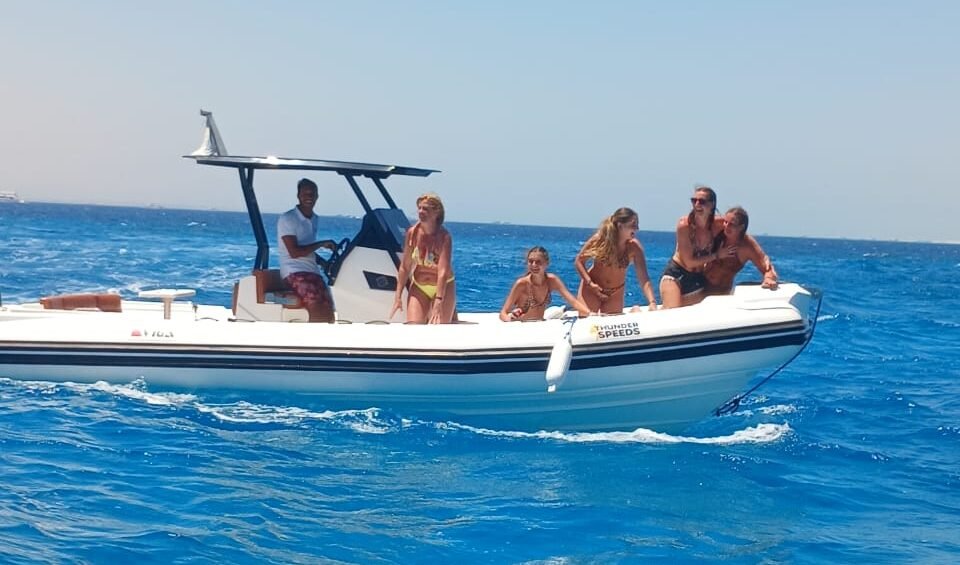

Is the semi-submarine good for small children?

It can be a useful option for families that want underwater viewing without making snorkeling compulsory. Ask about boarding steps, cabin access and the complete hotel-to-hotel duration.

Can children ride quad bikes in Hurghada?

The ticket age category does not automatically give permission to drive. The current safari child fare is €15 for ages 4–10 and ages 0–3 have a free fare, but actual driving or participation depends on operator rules, size, equipment and guide approval.

Is Super Safari better than a short quad tour for families?

Choose the short quad program if you mainly want a shorter desert experience. Choose Super Safari if the family wants several activities, village time, dinner and the show and can manage a six-to-seven-hour program.

Should families do Cairo or Luxor from Hurghada?

Only if the children can manage a long road day. Current shared Luxor road programs are about 15 hours; Cairo road programs are about 17 hours. Choose the destination the family most wants rather than trying to do both in a short stay.

How much is Cairo for a child?

Current shared Cairo road products use the child fare for travelers aged 4–9. The Tahrir bus is €65 adult / €35 child; GEM and minibus prices are higher depending on the selected product. Infants aged 0–3 pay €20 on the Tahrir Museum bus or GEM bus, €35 on the Tahrir Museum mini bus (Hiace), and €40 on the GEM mini bus (Hiace).

How much is Luxor for a child?

The current shared Luxor bus is €65 per guest aged 10+ and €35 per child aged 4–9. The minibus is €80 / €40. Infants aged 0–3 pay €20 on the Luxor bus or €35 on the Luxor mini bus (Hiace).

Should I book private transport with children?

Private transport can reduce shared pickup delays and may make breaks easier, but it does not automatically include a child seat or dedicated guide. Confirm those details in writing.

Do I need a car seat in Hurghada?

Tell the transfer provider the child’s age and ask what child-restraint arrangement is available for the exact vehicle. Do not assume a child seat is automatically included.

What should I pack for Hurghada with kids?

Useful items include sun protection, hats, water shoes, refillable water, snacks, spare clothes, any personal medication, a towel and a light layer for air-conditioned vehicles or cooler evenings.

How many excursions should families book in a week?

There is no fixed number. Many families enjoy alternating activity days with beach or pool days instead of booking a long excursion every day.

What information should I send before booking a family excursion?

Send the date, exact hotel, number of adults, every child’s age, swimming ability and any mobility, dietary or seating requirements.

What is the safest way to plan Hurghada with kids?

Check current travel advice, use reputable transport and operators, confirm activity suitability in advance, protect children from sun and heat, supervise them around water and avoid overloading the schedule.

Hurghada with kids works best when the holiday has enough beach time, one or two activities the children genuinely want, and enough flexibility to change the plan when they are tired.